No products in the cart.

OpenAI Launches ChatGPT for Teens to Enhance User Safety
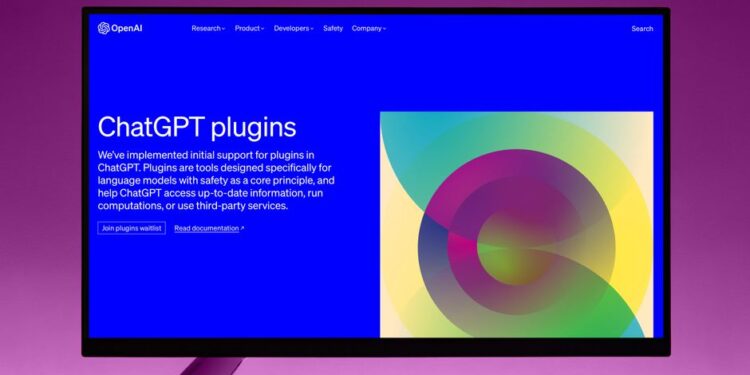
OpenAI has launched ChatGPT for Teens, a version of its AI chatbot designed with enhanced safety features to protect young users from inappropriate content and cyberbullying. This initiative reflects a growing global concern about the impact of AI on youth.

OpenAI has launched ChatGPT for Teens. This version of its AI chatbot has enhanced safety features to protect young users. It will automatically limit certain conversations to create a safer environment for teenagers. The announcement was made on August 18, 2026. This reflects growing concerns about AI technology’s impact on youth.
ChatGPT for Teens responds to worries from parents and educators about the dangers of AI interactions. These concerns include exposure to inappropriate content, cyberbullying, and sharing personal information. With stricter conversation limitations, OpenAI aims to create a more secure platform for younger audiences.
Enhancing Safety Features for Young Users
ChatGPT for Teens includes several innovative safety measures for its young users. According to OpenAI, the chatbot will filter out harmful language and limit discussions on sensitive topics. This is crucial for fostering a safe digital space where teenagers can learn without fear of inappropriate content.
The platform also has parental controls. These allow guardians to monitor interactions and set boundaries for their children’s use. This feature empowers parents to engage in their children’s digital experiences and guide them through online interactions. As highlighted by the OpenAI Academy, these controls promote responsible AI use among young users.
Moreover, the AI encourages positive interactions. It provides constructive feedback and promotes healthy conversations. This can help teenagers develop their communication skills. Career Ahead’s analysis shows that fostering digital literacy is essential for preparing young users for the digital world.
By creating a supportive learning environment, OpenAI contributes to developing essential skills in digital literacy and responsible online behavior.
The advancements in ChatGPT for Teens not only address safety concerns but also enhance the educational value of AI technologies. By creating a supportive learning environment, OpenAI contributes to developing essential skills in digital literacy and responsible online behavior.
You may also like
 AI & Technology
OpenAIs Altman says AI benefits warrant accepting some risks
OpenAI's CEO Sam Altman argues that the benefits of AI justify accepting some risks, igniting a debate on regulation and ethical implications within the AI…
Read More →
Impact on Digital Literacy Curriculum
The launch of ChatGPT for Teens has significant implications for digital literacy education. As educators integrate AI tools into their curricula, the need for comprehensive digital literacy programs grows. Schools can use ChatGPT to teach students about safe online practices and ethical AI use.
Incorporating AI chatbots into education can enhance engagement and provide personalized learning experiences. For example, educators can use ChatGPT as a resource for students to ask questions and receive instant feedback. This interactive approach helps students grasp complex concepts while ensuring a safe learning environment.
Career Ahead’s research indicates that as AI becomes more common in education, institutions must adapt their curricula. Discussions about AI ethics, safety, and responsible usage are essential for preparing students for a tech-influenced world. By addressing these topics, educators empower students to use AI responsibly and ethically.
This could lead to a broader movement towards responsible AI use in education, benefiting both students and educators.
Furthermore, ChatGPT for Teens can serve as a model for other AI applications in education. As schools experiment with various AI tools, lessons learned from ChatGPT can inform best practices. This could lead to a broader movement towards responsible AI use in education, benefiting both students and educators.
Parental Controls and Future Considerations
You may also like
 AI & Technology
AI and sustainability redefine entrepreneurship landscape in 2026
A 2025 OECD report estimates that AI‑augmented startups achieve market‑fit three quarters faster than pre‑AI cohorts.
Read More →As OpenAI rolls out ChatGPT for Teens, the focus on parental controls highlights a trend in technology aimed at protecting young users. These controls allow parents to limit the interactions their children can have with the AI. This is important, as teenagers often engage with technology in ways that can expose them to risks.
Career Ahead’s analysis shows that robust parental controls in AI applications can significantly enhance user safety. Parents can monitor conversations and ensure that their teens do not engage in harmful discussions or share personal information. This oversight helps build trust between parents and children regarding technology use.
Looking ahead, the success of ChatGPT for Teens may encourage other tech companies to adopt similar safety measures. As demand for safe digital environments grows, companies will face pressure to prioritize user safety, especially for vulnerable demographics like teenagers. This could lead to a broader industry shift towards stricter safety protocols across platforms.
The answers to these questions will likely define the future of AI interactions for young users.
As AI technology evolves, ongoing dialogue between developers, educators, and parents will be crucial. The collective effort to ensure young users can safely benefit from AI advancements will shape the future of technology in education and beyond.
In this rapidly changing landscape, the question remains: how will other companies respond to OpenAI’s initiative? Will we see a standardization of safety features across AI platforms? The answers to these questions will likely define the future of AI interactions for young users.
Frequently Asked Questions
What safety features does ChatGPT for Teens include?
ChatGPT for Teens includes conversation limitations that filter out harmful language and restrict discussions on sensitive topics. It also offers parental controls for monitoring interactions, ensuring a safer environment for young users.
How can educators integrate ChatGPT for Teens into their curriculum?
You may also like
 AI & Technology
Google Gemini, OpenAI Dots: Select Your AI Powerhouse
Explore the distinct functionalities of Google Gemini Tasks and OpenAI Dots to determine which AI productivity tool best suits your needs. This article delves into…
Read More →Educators can use ChatGPT for Teens to enhance digital literacy lessons. It provides a safe platform for students to ask questions and receive feedback. This interactive tool fosters responsible AI usage and ethical discussions in the classroom.
What should parents consider when allowing their teens to use AI chatbots?
Parents should consider the safety features and parental controls available in AI chatbots like ChatGPT for Teens. Monitoring interactions and setting boundaries helps ensure that their children engage with technology responsibly and safely.