


OpenAI Introduces Innovative Voice Features
On May 7, 2026, OpenAI unveiled groundbreaking voice intelligence features in its API. These updates include advanced models designed for real-time communication, enhancing how developers create applications that interact with users. The new capabilities focus on voice simulation, transcription, and translation, marking a significant step forward in AI-driven user interfaces.
The latest models, including GPT-Realtime-2 and GPT-Realtime-Translate, are engineered to handle complex user interactions. According to TestingCatalog, these models allow developers to build applications that can converse, transcribe, and translate in real-time, making them versatile tools for various industries. This is a notable upgrade from previous versions, which lacked the depth of interaction now possible.
OpenAI aims to revolutionize customer service and educational platforms with these enhancements. The company emphasizes that these tools will enable applications that can actively listen, reason, and respond, rather than simply executing pre-defined commands. This shift towards more dynamic interactions could significantly improve user experiences across sectors.
Key Features: Real-Time Translation and Transcription
One of the standout features of the new API is the GPT-Realtime-Translate model, which supports over 70 input languages and 13 output languages. This model allows for seamless conversations across language barriers, making it a powerful tool for global businesses. As noted by The Next Web, the ability to translate in real-time can enhance customer interactions and expand market reach.
Additionally, the GPT-Realtime-Whisper model provides live speech-to-text capabilities, capturing conversations as they happen. This feature is particularly beneficial for industries that rely on accurate transcriptions, such as legal and medical fields. The integration of these capabilities into a single API simplifies the development process for companies looking to enhance their communication tools.
This model allows for seamless conversations across language barriers, making it a powerful tool for global businesses.
OpenAI has implemented safeguards to prevent misuse of these technologies. The company has established guardrails to minimize the risks of spam, fraud, and other online abuses, ensuring that the new features are used responsibly. This commitment to ethical AI usage is crucial as these tools become more widespread.
Transformative Potential Across Industries
 AI & Technology
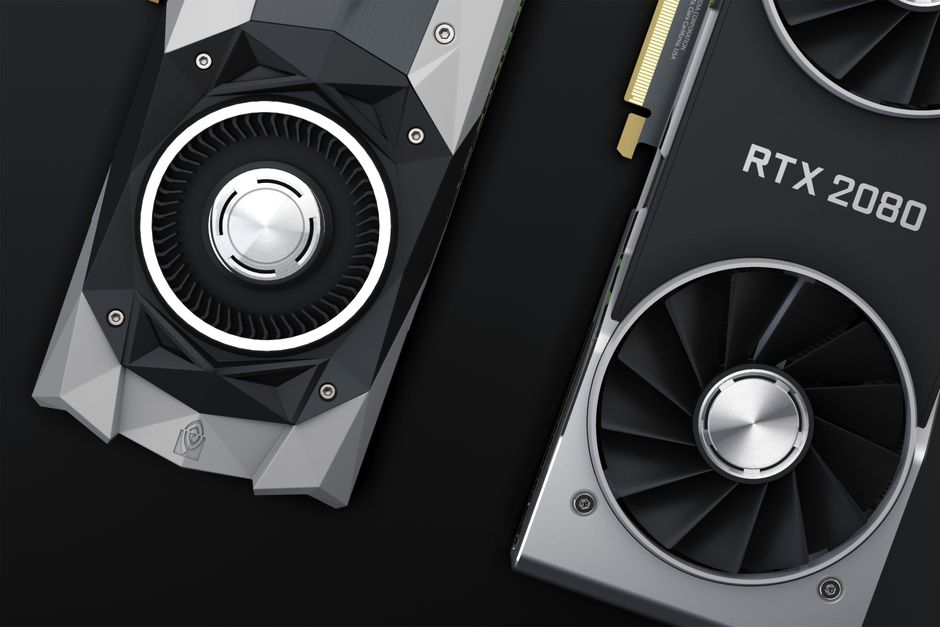
Microsoft Unveils AI-Optimized PCs with Nvidia Technology
Microsoft has unveiled new PCs powered by Nvidia's RTX Spark chip and an updated Windows 11, enhancing AI capabilities for developers and researchers. This shift…
Read More →The introduction of these voice intelligence features has significant implications for multiple sectors. In customer service, businesses can leverage real-time translation and transcription to provide better support to diverse clientele. This capability allows companies to communicate effectively without language barriers, enhancing customer satisfaction and loyalty.
In education, these tools can facilitate learning by providing real-time feedback and support to students in various languages. Teachers can use the transcription features to create accurate records of lectures, making it easier to provide resources to students later. The potential for personalized learning experiences is vast, as each student can interact in their preferred language.
Media and content creation industries also stand to benefit. With the ability to transcribe interviews and discussions in real-time, creators can produce content more efficiently. This can lead to a quicker turnaround for news articles, podcasts, and video productions, allowing creators to keep pace with the fast-moving digital landscape.

Ethical Challenges and Responsibilities
As OpenAI rolls out these advanced voice capabilities, ethical considerations remain at the forefront. The potential for misuse, such as generating misleading content or spam, raises concerns about the responsibility of AI developers. OpenAI’s proactive approach to implementing safety features is a step in the right direction, but ongoing vigilance will be necessary as these technologies evolve.
In education, these tools can facilitate learning by providing real-time feedback and support to students in various languages.
Moreover, the reliance on AI for communication could lead to a decline in human interaction skills. As more businesses adopt these tools, there is a risk that personal connections may diminish. Balancing technology with the need for genuine human interaction will be crucial for maintaining healthy communication practices.
Additionally, issues related to data privacy and security must be addressed. As these voice models process sensitive information, ensuring that user data is protected will be essential for maintaining trust in AI systems. OpenAI will need to navigate these challenges carefully to foster a responsible AI ecosystem.
Anticipating the Future of AI Communication
The launch of OpenAI’s new voice intelligence features marks a pivotal moment in AI communication technology. As developers begin to explore the capabilities of these models, we can expect to see innovative applications emerge. The integration of real-time translation and transcription into everyday tools could fundamentally change how people communicate across cultures.
 Entrepreneurship & Business
Claude Startups Unveils $7,000 Benefits for Indian Founders
Anthropic's expanded Claude Startups programme provides Indian founders with up to $7,000 in benefits, including API credits and mentorship, to support the growth of AI…
Read More →As the technology progresses, the conversation around ethical AI will also continue to grow. Stakeholders will need to engage in ongoing discussions about the implications of these advancements, ensuring that the benefits are realized without compromising ethical standards.
Written by Career Ahead AI. AI can make mistakes, so verify key facts. Report errors to support@careeraheadonline.com.





