No products in the cart.

Pakistan Education Spending Lags Behind Global Standards
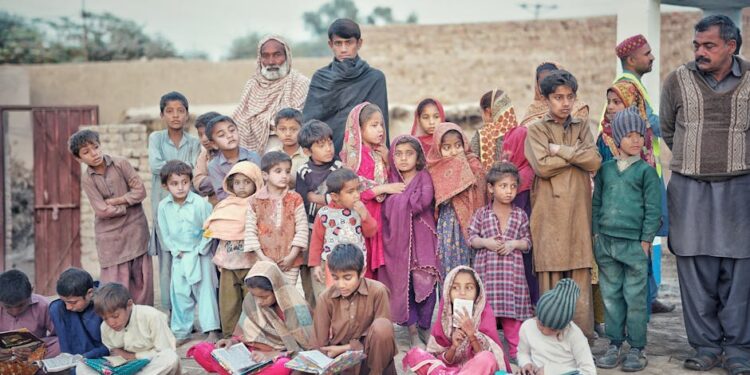
Pakistan's education spending is critically low, at only 0.8% of GDP, compared to the recommended 4-6% by international organizations. This underfunding has resulted in a literacy crisis, with 26.8 million children out of school and a significant drop in university enrollment. The need for increased funding and international collaboration is urgent to improve educational outcomes and competitiveness.

Pakistan needs to significantly increase its education spending to meet international standards, as highlighted in a recent report. The country currently allocates only 0.8% of its Gross Domestic Product (GDP) to education, while recommendations from organizations like UNESCO and UNICEF suggest a range of 4-6%. This funding gap has led to a severe educational crisis, impacting literacy rates and student enrollment across the nation.
The report indicates that Pakistan’s literacy rate stands at 60%, with male literacy at 68% and female literacy at a concerning 52%. The situation is particularly dire in provinces like Balochistan, where literacy is as low as 42%. Furthermore, approximately 26.8 million children remain out of school, and university enrollment has dropped by 13% in recent years. These statistics reveal the urgent need for a comprehensive strategy to enhance educational funding and access.
Consequences of Insufficient Funding on Higher Education
The chronic underfunding of education in Pakistan directly affects higher education institutions. With tuition fees on the rise and scholarships dwindling, higher education has become increasingly unaffordable for many families, particularly those from lower-income backgrounds. This trend limits access to higher education and hampers the development of a skilled workforce necessary for the country’s economic growth.
Currently, only 5 out of every 100 students who begin primary school reach a university classroom. This alarming statistic underscores systemic issues within the educational framework, where inadequate funding leads to poor infrastructure, insufficient teaching materials, and a lack of trained educators. The implications for higher education institutions are profound, as they struggle to maintain quality and relevance in a rapidly changing job market.
Moreover, recent data from the International Monetary Fund (IMF) highlights that Pakistan’s education expenditure has consistently remained below international benchmarks, averaging less than 2% of GDP over the past several years. This persistent underinvestment contributes to a learning crisis, where 77% of 10-year-olds are unable to read and understand a simple text. Such outcomes jeopardize individual futures and threaten the country’s overall economic stability.
Countries that have successfully enhanced their education systems often benefited from strategic partnerships that facilitated knowledge transfer and resource sharing.
Opportunities for Global Partnerships in Education
In light of the pressing need for increased education spending, there is significant potential for international collaboration in Pakistan’s education sector. By partnering with international organizations and educational institutions, Pakistan can leverage additional resources and expertise to improve its educational landscape. Countries that have successfully enhanced their education systems often benefited from strategic partnerships that facilitated knowledge transfer and resource sharing.
You may also like
 Education & University Insights
CLAT 2027 Registration Opens, Confirm Eligibility Today
The registration for CLAT 2027 is open until October 31, 2026. Candidates must meet specific eligibility criteria to apply for undergraduate and postgraduate law programs.…
Read More →Collaborations with organizations like UNICEF and UNESCO can provide Pakistan with vital support in developing safe and inclusive learning environments. These partnerships can also assist in implementing effective monitoring systems to track student enrollment and learning outcomes, ensuring that educational initiatives focus on meaningful learning experiences.
Furthermore, international collaboration can open doors for Pakistani students to access global educational opportunities, fostering a more skilled and competitive workforce. By increasing funding and establishing partnerships, Pakistan can create pathways for students to study abroad, gaining exposure to diverse educational methodologies and practices that can be brought back to enhance local institutions.

The IMF’s recent reports emphasize the importance of governance and accountability in educational funding. Ensuring that funds are utilized effectively and transparently is crucial for building trust and support for increased investments in education. By demonstrating the impact of international collaboration and responsible funding management, Pakistan can attract more partners and resources to its education sector.
Addressing the Educational Crisis: A Call to Action
The future of Pakistan’s education system hinges on the country’s ability to adapt and respond to these challenges. The need for increased funding is clear, and the potential for collaboration presents a promising avenue for driving meaningful change in the education sector.
Furthermore, international collaboration can open doors for Pakistani students to access global educational opportunities, fostering a more skilled and competitive workforce.
As Pakistan confronts the urgent need to raise its education spending, the question remains: will the government prioritize education as a cornerstone of national development, or will it continue to fall behind in an increasingly competitive global landscape?

Frequently Asked Questions
How can education policy analysts advocate for increased funding in Pakistan?
Education policy analysts can advocate for increased funding by presenting data that highlights the negative impacts of underfunding on literacy and enrollment rates. By collaborating with international organizations and leveraging successful case studies, they can push for policy changes that prioritize education in national budgets.
What strategies can higher education administrators implement to adapt to new funding levels?
Higher education administrators can focus on strategic partnerships with international institutions to secure additional funding and resources. They should also implement transparent financial management practices to demonstrate the effective use of funds, which can help build trust with stakeholders.
You may also like
 Education & University Insights
Why BITS Pilani’s New Amaravati Campus Matters for Tech Students
BITS Pilani's new Amaravati campus is poised to transform technology education in India, emphasizing AI and industry collaboration. With a capacity for 10,000 students, it…
Read More →What should school administrators consider when planning for potential budget increases?
School administrators should consider how to allocate increased funding towards improving infrastructure, teacher training, and learning materials. They must also prioritize creating inclusive environments that support all students, particularly those from marginalized backgrounds.