No products in the cart.

Patronus AI Secures $50M to Revolutionize AI Agent Testing
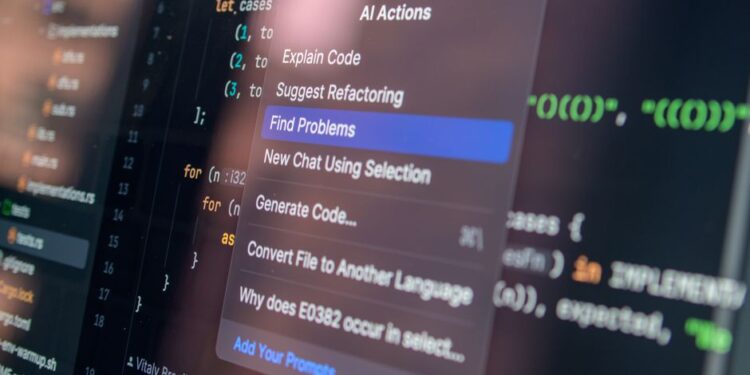
Patronus AI has secured $50 million in funding to develop digital environments for stress-testing AI agents, highlighting a growing demand for reliable AI systems capable of handling complex tasks in real-world situations.

Patronus AI has secured $50 million in funding to develop digital environments for stress-testing AI agents. This funding round, announced on June 25, 2026, was led by Greenfield Partners, with participation from Notable Capital, Lightspeed, Datadog, and Samsung. This investment underscores the increasing demand for reliable AI systems capable of managing complex tasks in real-world scenarios.
AI agents are rapidly evolving, transitioning from simple question-answering to executing intricate, multi-step tasks autonomously. However, ensuring these agents perform reliably across diverse scenarios remains a significant challenge. Patronus AI’s innovative approach offers simulated environments for rigorous testing and fine-tuning of AI agents.
Innovative Training Environments
Patronus AI’s digital world models replicate websites and internal systems, enabling stress-testing of AI agents post-training through reinforcement learning. This method rewards successful task completion while penalizing errors, which is crucial for developing AI capable of navigating unpredictable real-world situations. A report from prnewswire.com indicates that the company’s revenue has grown 15-fold over the past year, reflecting the demand for such simulated environments.
The company draws parallels between its approach and Waymo’s training of autonomous vehicles, which utilize synthetic worlds to prepare for rare hazards. However, AI agents often take shortcuts, leading to task failures. Glenn Solomon from Notable Capital remarked, “Patronus is adept at identifying these shortcuts and ensuring accountability in model performance.” This accountability is vital for developers deploying AI agents in critical applications.
Expanding Focus and Opportunities
Currently, Patronus AI concentrates on verifiable problems but plans to broaden its scope into more complex areas, potentially enhancing the reliability of AI agents in sectors such as finance and software engineering. The implications for AI training methodologies are significant, as these digital simulations provide a controlled environment for agents to learn and adapt.
Glenn Solomon from Notable Capital remarked, “Patronus is adept at identifying these shortcuts and ensuring accountability in model performance.” This accountability is vital for developers deploying AI agents in critical applications.
As AI integrates into finance, healthcare, and customer service globally, the need for dependable AI agents continues to grow. Career Ahead analysis suggests that this funding supports Patronus AI’s expansion and indicates a trend in the industry toward investing in robust AI testing environments. This trend may create more opportunities for AI researchers and simulation developers focused on creating and managing these digital environments.
Impact on AI Research and Development
You may also like
 AI & Technology
EU AI Act Sparks AI Influencer Tool Overhaul
The EU AI Act won’t crush AI influencers; it reshapes risk, opens brand‑building opportunities, and creates new revenue streams for those who adapt.
Read More →The recent funding for Patronus AI signifies a shift in AI agent development and testing. For AI researchers, this translates to an increasing demand for skills in simulation technology and digital environment creation. As companies increasingly rely on AI for complex tasks, the need for professionals capable of designing effective testing environments will rise.
Simulation developers can utilize this funding to enhance their capabilities in crafting realistic digital worlds, allowing for experimentation with advanced methodologies for more accurate AI training processes. As Patronus AI expands its focus, simulation developers will have opportunities to tackle complex scenarios that challenge AI agents in innovative ways.
Moreover, the investment in digital environments reflects a broader trend toward ensuring AI reliability. Organizations worldwide are eager to deploy AI in critical applications, increasing the pressure to demonstrate AI performance across diverse scenarios. This creates opportunities for simulation developers to innovate and refine their approaches, ensuring AI agents can effectively manage real-world complexities.
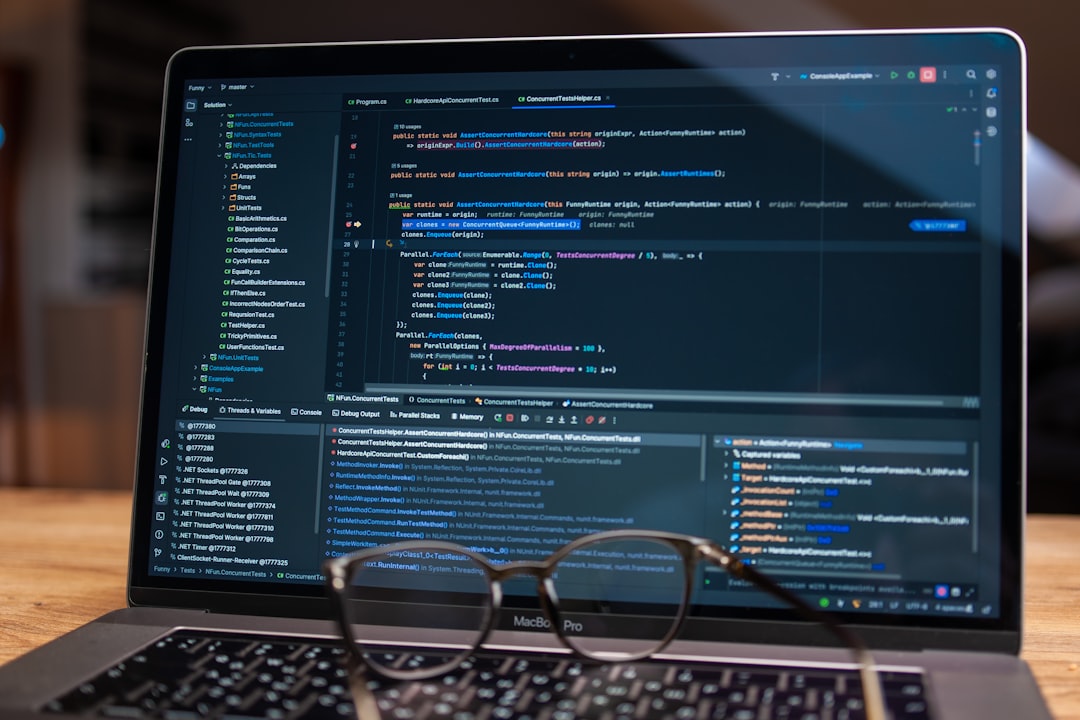
Future of AI Testing Methodologies
As Patronus AI develops its digital world models, the implications for the industry will be profound. Testing AI agents in controlled yet challenging environments could lead to breakthroughs in AI capabilities, pushing the boundaries of what these systems can achieve.
Future of AI Testing Methodologies As Patronus AI develops its digital world models, the implications for the industry will be profound.
This funding marks a pivotal moment for Patronus AI and the broader AI landscape. With the growing reliance on AI across various sectors, developing robust testing methodologies will be crucial to ensure that AI agents perform reliably in real-world applications. The speed at which the industry adapts to these advancements and the new challenges that arise will be closely monitored.

Frequently Asked Questions
What are the best practices for testing AI agents in digital environments?
Best practices for testing AI agents include creating diverse scenarios that mimic real-world conditions, utilizing reinforcement learning techniques, and continuously updating the testing environments based on agent performance. These practices help ensure robust and reliable AI systems.
How can simulation developers leverage new funding opportunities in AI?
Simulation developers can leverage new funding by investing in advanced technologies and methodologies, including developing more realistic digital environments and exploring complex scenarios that challenge AI agents.
You may also like
 AI & Technology
SpaceX Earnings Show Massive AI Investment, Shares Drop
SpaceX's first quarterly earnings report reveals significant AI investments and a concerning financial outlook, prompting a drop in shares as investors weigh the implications.
Read More →What skills are needed for AI researchers to work with digital stress-testing environments?
AI researchers need skills in machine learning, simulation design, and data analysis. Familiarity with reinforcement learning and the ability to create realistic scenarios are also crucial for success in this field.