


The Pentagon has initiated serious discussions with Anthropic, a leading artificial intelligence company, as it seeks to impose regulations on AI technologies used in military applications. This pivotal moment comes as the U.S. government grapples with the rapid advancement of AI and its potential implications for national security. The summons of Dario Amodei, Anthropic’s CEO, underscores the urgency of establishing clear boundaries for AI deployment in defense operations. As AI technologies become more integrated into military strategies, understanding the implications for tech professionals and the industry at large is crucial.
The meeting between the Pentagon and Anthropic reflects a broader concern about the ethical use of AI in military contexts. The Defense Department’s focus on setting guardrails for AI technologies signals a shift towards more stringent oversight of how these systems are developed and implemented. This is particularly relevant as AI systems like Claude are increasingly being considered for roles in defense, raising questions about accountability, transparency, and the ethical ramifications of AI in combat scenarios.
As the Pentagon engages with Anthropic, it is evident that the discussions are not merely about compliance but also about ensuring that AI technologies align with the values and principles of democratic governance. The outcome of these talks may set a precedent for how AI is regulated across various sectors, including private industry. This is a critical juncture for tech professionals, especially those involved in AI development, as they must navigate the evolving landscape of regulations that could shape their work and career trajectories.
Why the Pentagon’s AI Regulations Matter Now
The urgency of the Pentagon’s discussions with Anthropic stems from the increasing reliance on AI in military operations. As AI technologies advance, they present both opportunities and risks. The potential for AI to enhance decision-making and operational efficiency is significant, but so are the ethical concerns surrounding their use in warfare. The Pentagon’s focus on establishing guidelines reflects a growing recognition that unchecked AI applications could lead to unintended consequences, including loss of human oversight and accountability.
This is a critical juncture for tech professionals, especially those involved in AI development, as they must navigate the evolving landscape of regulations that could shape their work and career trajectories.
 AI & Technology
GPT-6 Boosts Chatbot Interactivity with Intelligent UI
OpenAI's GPT-6 introduces an Intelligent UI that enhances chatbot interactivity, making complex topics easier to understand. This shift demands new design principles from UX designers…
Read More →Furthermore, the implications of these regulations extend beyond the military. Industries that leverage AI technologies, such as healthcare, finance, and logistics, may also face increased scrutiny and regulatory requirements as governments seek to ensure responsible AI deployment. This shift could impact job roles and skill requirements across various sectors, making it essential for professionals to stay informed about regulatory developments.
In the context of the Pentagon’s discussions, tech professionals should consider how these regulations might influence their work. For instance, developers and data scientists may need to adapt their practices to comply with new standards, while businesses may need to reassess their AI strategies to align with government expectations. This evolving landscape presents both challenges and opportunities for those in the tech industry.

How This Affects Your Career in Tech
The Pentagon’s engagement with Anthropic highlights the increasing intersection of technology and regulation, particularly in the AI sector. For tech professionals, understanding the implications of these discussions is vital for career advancement. Here are some key takeaways:
- Stay Informed: Keep abreast of regulatory changes and discussions surrounding AI technologies. Understanding the legal landscape will help you anticipate shifts in industry standards.
- Adapt Your Skills: As regulations evolve, so too will the skills required in the tech industry. Consider pursuing additional training or certifications that focus on ethical AI practices and compliance.
- Engage with Policy Discussions: Participate in forums or groups focused on AI policy and regulation. Engaging with these discussions can provide valuable insights and networking opportunities.
- Innovate Responsibly: As you develop new AI solutions, consider how they align with ethical standards and regulatory expectations. This mindset can enhance your reputation as a responsible innovator in the field.
However, experts warn that this trend may not be sustainable. A recent report suggests that while regulations are necessary, they could stifle innovation if not implemented thoughtfully. Balancing oversight with the need for technological advancement is critical to ensure that the U.S. remains competitive in the global AI landscape.
The Future of AI Regulations and Your Role
As discussions between the Pentagon and Anthropic unfold, the future of AI regulations appears to be at a crossroads. The outcome of these talks could set a precedent for how AI is governed not only in military applications but across various sectors. Tech professionals must remain vigilant and proactive in adapting to these changes.
 AI & Technology
Microsoft Unveils AI-Optimized PCs with Nvidia Technology
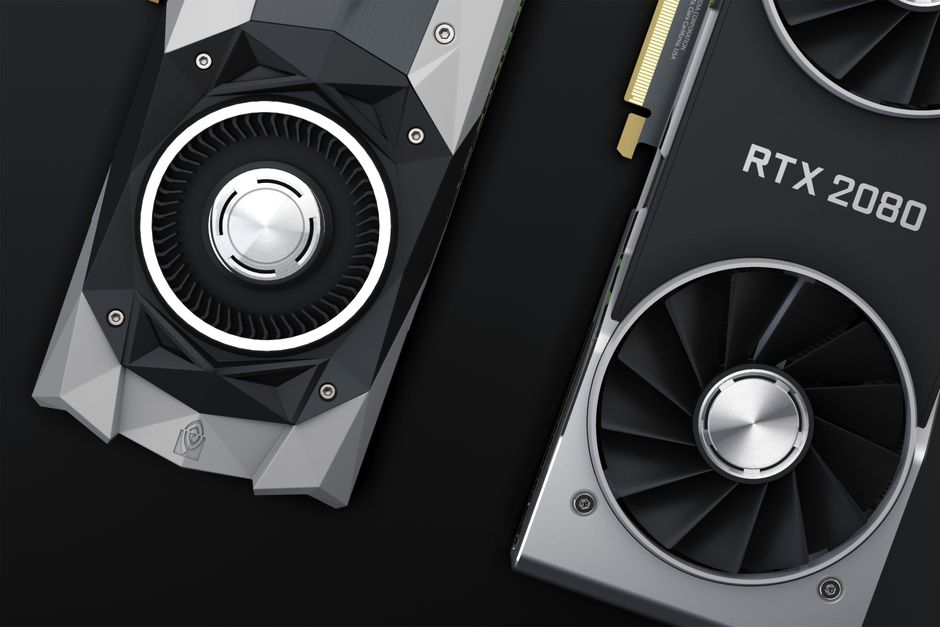
Microsoft has unveiled new PCs powered by Nvidia's RTX Spark chip and an updated Windows 11, enhancing AI capabilities for developers and researchers. This shift…
Read More →In the coming months, expect to see more clarity on the standards that will govern AI technologies. This may lead to the establishment of formal guidelines that could reshape the landscape of AI development and deployment. As a tech professional, consider how you can contribute to these conversations and advocate for responsible AI practices.
For tech professionals, understanding the implications of these discussions is vital for career advancement.


Ultimately, the question remains: How can you prepare for a future where AI regulations shape your career? Engaging with these developments now can position you as a leader in the responsible use of AI technologies.
Written by Career Ahead AI. AI can make mistakes, so verify key facts. Report errors to support@careeraheadonline.com.





