No products in the cart.

Phoenix Air Traffic Controller Prevents Midair Collision Involving Two American Airlines Flights
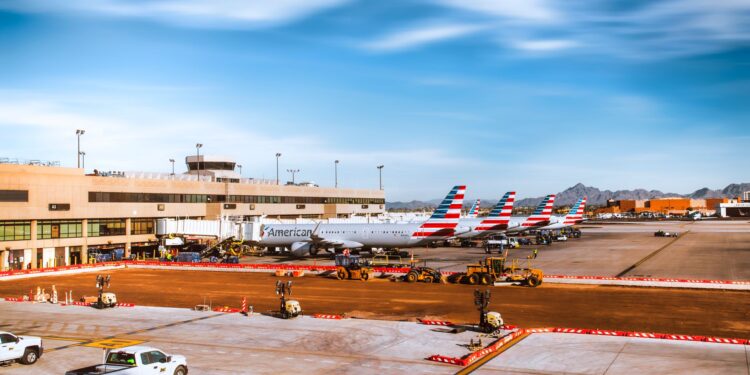
No passengers or crew were harmed. The incident occurred on August 15, 2026, in the airspace surrounding Phoenix, Arizona.

A Phoenix air traffic controller averted a potential midair collision after two American Airlines aircraft were assigned the same flight number. No passengers or crew were harmed.
The incident occurred on August 15, 2026, in the airspace surrounding Phoenix, Arizona. Two American Airlines jets, both operating under the identical flight number, entered converging flight paths. Prompt action by a controller at Phoenix Sky Harbor International Airport prevented the aircraft from colliding. The Federal Aviation Administration (FAA) and American Airlines announced investigations into the flight-number duplication and the procedural safeguards that allowed the conflict to arise [1][2][3][4].
The controller’s intervention was the only reported human action that altered the aircraft trajectories. The FAA confirmed that the controller identified the conflict, issued corrective instructions, and cleared both aircraft on separate altitudes and headings, eliminating the collision risk. American Airlines and the FAA said the incident highlighted the importance of accurate flight-identification data and that no injuries or damage resulted from the event [1][2][4].
Timeline and Operational Context
Severe weather on the day of the incident delayed an inbound American Airlines flight from Chicago to Phoenix, contributing to congested airspace and heightened controller workload [1]. The delayed flight and a separate outbound flight were inadvertently listed with the same flight number in the air traffic management system. As the two aircraft approached the Phoenix terminal area, the shared identifier created a potential conflict in the radar display.
The controller, monitoring the sector, detected the overlapping flight paths and, within minutes, issued vectoring commands that separated the aircraft vertically by 2,000 feet and laterally by several nautical miles. The corrective actions were logged in the tower’s communication record and later reviewed by the FAA’s incident analysis team [2][3].
Timeline and Operational Context Severe weather on the day of the incident delayed an inbound American Airlines flight from Chicago to Phoenix, contributing to congested airspace and heightened controller workload [1].
The FAA’s preliminary report, released within 48 hours of the event, indicated that the flight-number duplication was a data-entry error within American Airlines’ scheduling system. The airline’s operations center confirmed that two separate aircraft had been scheduled for different routes but mistakenly shared the same alphanumeric identifier. The error was not flagged by existing automated conflict-detection tools, prompting a review of those systems [2][4].
You may also like
 News
NewsBloomberg This Weekend 10/4/2026
The launch comes at a time when media consumption patterns are rapidly changing. Viewers increasingly prefer on-demand content and real-time updates, prompting networks like Bloomberg…
Read More →Parties Involved
- Phoenix air traffic controller – The unnamed controller employed by the Phoenix Tower Facility who identified and resolved the conflict [1][4].
- American Airlines – The carrier operating both aircraft involved; its operations and scheduling departments are conducting internal reviews [2][3].
- Federal Aviation Administration (FAA) – The federal agency overseeing U.S. air navigation; it is leading the formal investigation and will issue safety recommendations [2][3].
- Passengers and crew – Approximately 150 passengers and 12 crew members were aboard the two aircraft combined; all completed their flights without injury [1][4].
Investigation and Procedural Review
The FAA’s investigation will examine three primary areas: (1) the airline’s flight-number assignment process, (2) the integration of flight-identification data into the National Airspace System’s surveillance tools, and (3) the tower’s conflict-detection protocols. Preliminary findings suggest that the airline’s internal software failed to enforce a uniqueness constraint on flight numbers for simultaneous departures and arrivals [2].
American Airlines has pledged to audit its scheduling software and to implement additional validation checks to prevent duplicate identifiers. The airline also announced plans to coordinate with the FAA to enhance real-time data sharing between airline operations centers and air traffic control facilities [3].
The FAA will release a final report within 90 days, as required by federal aviation safety regulations. The report is expected to include recommendations for both airlines and the air traffic control system to mitigate similar risks in the future [4].
Immediate Impact on Aviation Stakeholders
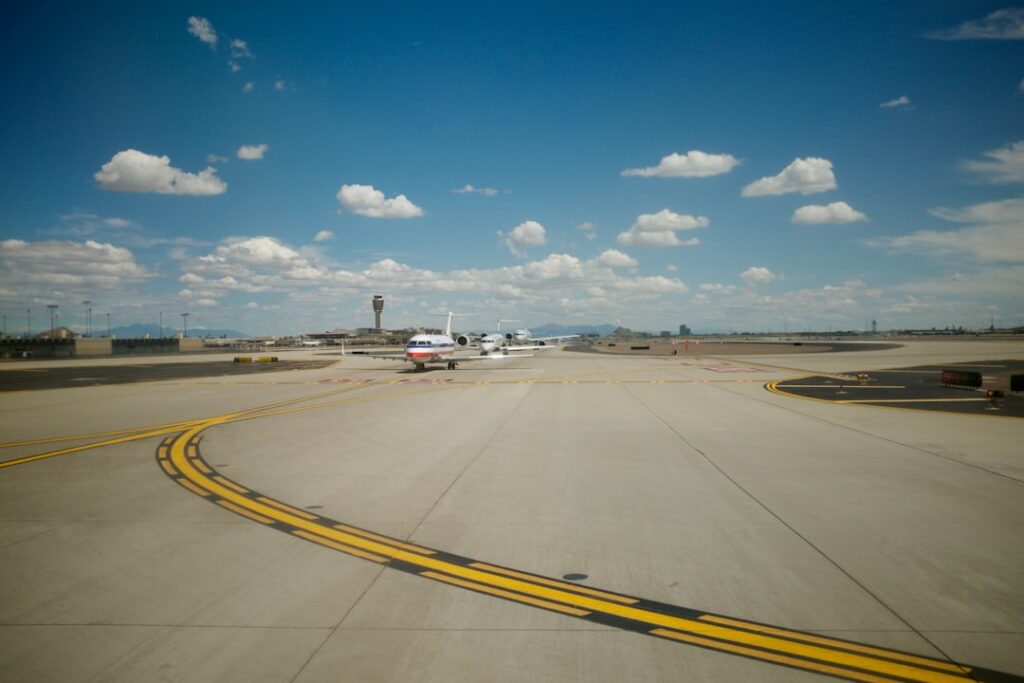
For pilots and controllers, the incident underscores the necessity of vigilant cross-checking of flight identifiers, especially during periods of weather-related delays that increase sector traffic density. Airlines may revise scheduling software to enforce stricter uniqueness rules for flight numbers, reducing the likelihood of duplicate entries entering the air traffic system [2][3].
The report is expected to include recommendations for both airlines and the air traffic control system to mitigate similar risks in the future [4].
Airports and tower facilities are reviewing their conflict-detection algorithms to ensure that identical flight numbers do not obscure separate aircraft on radar displays. Training modules for controllers may be updated to emphasize rapid identification of data anomalies [4].
You may also like
 News
NewsJobs Slow but Inflation Keeps Fed on Alert
In September, the economy added just 150,000 jobs, a stark contrast to the 200,000 jobs analysts had predicted. This slowdown comes amid ongoing inflationary pressures,…
Read More →Passengers can expect continued monitoring of airline scheduling practices, but the event did not result in any flight cancellations or delays beyond the original weather-related disruption. No compensation or remedial action has been announced for affected travelers, as the flight operations concluded safely [1][4].
Key Facts
What: A Phoenix air traffic controller averted a potential midair collision between two American Airlines jets that shared the same flight number.
When: The event occurred on August 15, 2026.
What: A Phoenix air traffic controller averted a potential midair collision between two American Airlines jets that shared the same flight number.
Impact: The incident prompts immediate reviews of airline flight-number assignment processes and air traffic control conflict-detection protocols.
You may also like
 News
NewsUAE may halt UK investments after Manchester City guilty verdict
The UAE's potential withdrawal of investments in the UK, following Manchester City's guilty verdict for financial breaches, could significantly impact the sports and real estate…
Read More →Sources
- 2 American Airlines planes averted potential disaster in Phoenix – https://www.fox10phoenix.com/news/2-american-airlines-plane-averted-potential-disaster-phoenix-ap
- American Airlines Flight Number Mix-Up: Phoenix Air Traffic Controller … – https://gulfnews.com/business/aviation/two-american-airlines-jet-with-same-flight-number-avoid-possible-disaster-1.500641852
- Phoenix Air Traffic Controller Averts Disaster as Two American Airlines … – https://aviationnews.eu/news/2026/08/phoenix-air-traffic-controller-averts-disaster-as-two-american-airlines-jets-share-identical-flight-number/
- Quick-Thinking Air Traffic Controller Helps Avoid Possible Flight … – https://www.travelpulse.com/news/airlines-airports/2-planes-with-the-same-flight-number-avoid-possible-disaster-thanks-to-quick-thinking-controller