No products in the cart.

Physical AI is now mainstream, reveals TCS survey
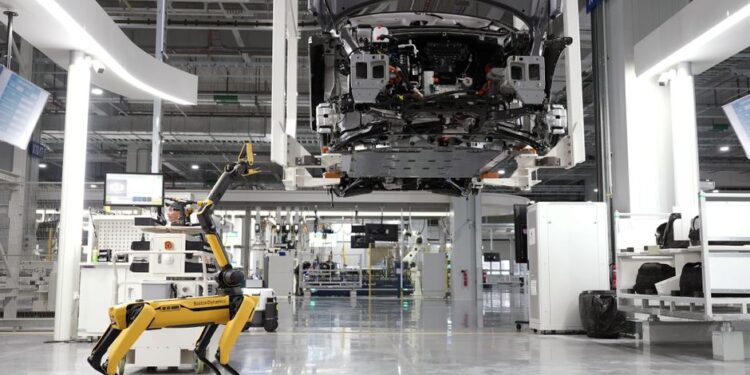
The TCS report reveals that while 68% of manufacturers are still in the early stages of Physical AI adoption, only 9% have successfully scaled their pilot projects into full operations.

Physical AI is becoming a key technology in manufacturing and robotics. A report from Tata Consultancy Services (TCS) released on July 23, 2026, highlights this trend. Many companies are moving from traditional automation to integrated physical AI systems in factories, warehouses, and logistics networks. This shift changes how these sectors operate and creates a need for skilled professionals who can navigate this new landscape.
The TCS report shows that 68% of manufacturers are still in the early stages of adopting Physical AI. Only 9% have successfully scaled their pilot projects into full operations. This uneven deployment marks a critical point for robotics engineers and manufacturing technicians. Their roles will increasingly involve integrating AI technologies into existing systems. As companies aim to boost productivity, integrating AI is not just an upgrade; it is a vital transformation that requires a workforce skilled in both traditional and modern technologies.
Growing Demand for Robotics Engineers with AI Expertise
As Physical AI technologies integrate into manufacturing, the demand for robotics engineers with AI skills is rising. Engineers who can connect traditional mechanical engineering with AI are essential. This hybrid skill set allows them to design, implement, and maintain AI-driven robotic systems that improve productivity and efficiency.
Robotics engineers must understand machine mechanics and how to program and optimize AI algorithms. This knowledge is crucial as companies seek intelligent systems that adapt to changing environments and tasks. Engineers familiar with machine learning frameworks and data analytics will be in a stronger position in the job market. According to the TCS report, 77% of manufacturers expect significant impacts in warehouse operations due to AI, providing a clear pathway for engineers to contribute to transformative projects.
Moreover, integrating AI into robotics opens new avenues for innovation. Engineers who can use AI for predictive maintenance, real-time data analysis, and autonomous operations will lead advancements in manufacturing technology. The TCS report highlights that 25% of manufacturers see Physical AI as a major initiative, stressing the urgency for engineers to adapt. However, educational pathways for aspiring robotics engineers may not fully address the interdisciplinary skills needed. Institutions must adapt their curricula to include AI and data science, preparing graduates for industry demands.
However, educational pathways for aspiring robotics engineers may not fully address the interdisciplinary skills needed.
Adapting Manufacturing Technicians to AI-Driven Workflows
Manufacturing technicians are also experiencing significant changes as Physical AI becomes more common in production environments. The TCS report emphasizes a human-centric approach to AI, where intelligent systems assist rather than replace human workers. This approach requires technicians to adapt to new technologies and workflows that include AI tools.
Technicians will need skills in operating and troubleshooting AI-driven machinery. This includes knowing how to interact with automated systems, perform routine maintenance, and respond to system alerts. The report indicates that 42% of manufacturers expect significant workforce augmentation through Physical AI. This highlights the need for technicians who can work alongside advanced systems. Technicians must understand AI system nuances, which may require additional training and a shift toward continuous learning.
As companies invest in AI technologies, there is a growing focus on safety and efficiency. Technicians will ensure that AI systems operate safely in industrial settings. This requires a solid understanding of both the technology and the operational environment. Training programs that focus on AI integration and safety protocols will be essential for equipping technicians for these new responsibilities. Additionally, deploying Physical AI may shift job roles within manufacturing. As routine tasks become automated, technicians may take on more complex roles that require critical thinking and problem-solving skills. This evolution will require ongoing training and professional development to keep pace with technological advancements.
Transformative Implications for the Manufacturing Sector
The rise of Physical AI is not just a trend; it signals a fundamental shift in manufacturing operations. Technicians who adapt to these changes will be well-positioned for career advancement and job security in a rapidly evolving industry. The TCS report emphasizes that organizations must foster a culture of innovation and adaptability among their workforce to fully realize the benefits of AI integration.
The impact of Physical AI adoption goes beyond individual job roles; it has broader implications for the manufacturing sector. As manufacturers increasingly view AI as a core priority, the competitive landscape will likely change significantly. Companies that successfully integrate Physical AI will respond better to market demands and enhance their operational resilience. This transformation will require collaboration across sectors, as partnerships between technology providers and manufacturers will be crucial in developing tailored AI solutions for specific industry needs.
This evolution will require ongoing training and professional development to keep pace with technological advancements.

Frequently Asked Questions
What skills do robotics engineers need to work with Physical AI?
Robotics engineers must develop skills in AI programming, data analysis, and machine learning frameworks. Understanding both mechanical engineering and AI technologies is critical for success in this evolving field.
How can manufacturing technicians prepare for AI integration in their workflows?
Manufacturing technicians should gain experience with AI-driven machinery and systems. Training programs that emphasize safety, operation, and troubleshooting of AI technologies will be essential for adapting to new workflows.
What should robotics engineers do about the rise of Physical AI in their industry?
Robotics engineers should pursue interdisciplinary education and training that combines mechanical engineering with AI and data science. Staying updated on industry trends and technological advancements will enhance their employability and relevance in the field.
Related Articles
- China Seeks to Rescue AI Stocks Without Fueling a Bubble
Written by Career Ahead AI. AI can make mistakes, so verify key facts. Report errors to support@careeraheadonline.com.