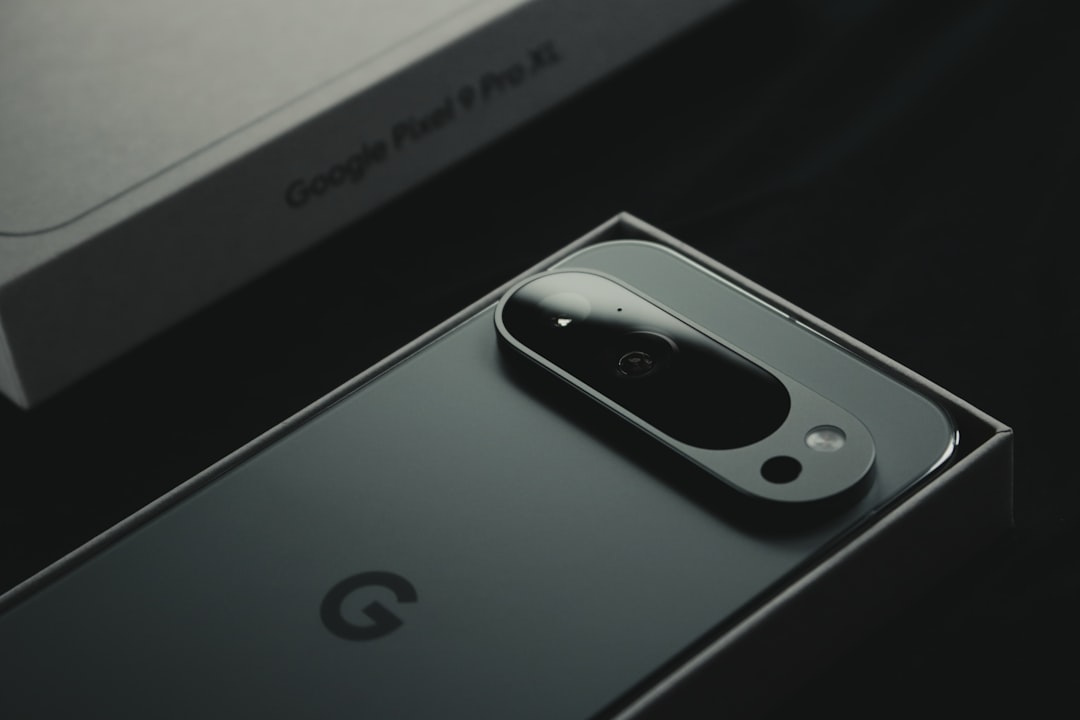
Google's Pixel 11 Pro, featuring the innovative 'Pixel Glow', is set to transform mobile app development and hardware engineering. This article explores the implications of these advancements for developers and engineers in the tech industry.
Google has officially unveiled the Pixel 11 Pro, showcasing its innovative features, including the much-anticipated ‘Pixel Glow’ technology. This unveiling, which took place on July 30, 2026, highlights a horizontal camera layout integrated with an RGB light, designed to enhance user experience and interaction. The Pixel 11 Pro is poised to significantly influence both mobile app development and hardware engineering.
The introduction of the Pixel 11 Pro comes at a time when mobile technology is rapidly evolving. Google has positioned this device as a logical choice for users reliant on its ecosystem of services, such as Gmail and Google Maps. The emphasis on integrating hardware with software solutions is crucial for developers and engineers looking to innovate in this space. According to a report by Mint, the Pixel 11 Pro’s design reflects a commitment to enhancing user interactivity through its unique features.
Revolutionizing User Engagement with ‘Pixel Glow’
The ‘Pixel Glow’ feature is a standout addition that mobile app developers must consider in their designs. This technology allows for dynamic light notifications, which can be customized by apps to enhance user engagement. Developers can leverage this feature to create more immersive experiences, integrating visual cues that respond to app activity. For instance, an app could use the RGB light to signal incoming messages or alerts, providing a more interactive experience. This capability not only enriches the user interface but also aligns with current trends in app design that prioritize engagement through sensory feedback.
Career Ahead’s analysis shows that the introduction of such features necessitates a shift in how developers approach user interface (UI) design. Traditional notification systems rely heavily on sound or vibration, but with ‘Pixel Glow’, developers can explore new ways to communicate with users visually. This shift could lead to a rise in apps that prioritize aesthetic feedback, potentially increasing user satisfaction and retention. Furthermore, the integration of the RGB light into app notifications could prompt developers to rethink their overall design strategies, focusing on creating a more visually appealing and responsive user experience.
Moreover, the Pixel 11 Pro’s enhanced camera capabilities, including a 50MP primary sensor, open new avenues for app developers focused on photography and video editing applications. The integration of advanced camera features can allow for more sophisticated editing tools and filters, appealing to a broader range of users. As consumers increasingly seek high-quality content creation tools, apps that harness these capabilities will likely see significant growth. The potential for apps to utilize the Pixel 11 Pro’s camera technology is immense, as developers can create applications that not only edit photos but also incorporate AI-driven enhancements to improve image quality and user experience.
Career Ahead’s analysis shows that the introduction of such features necessitates a shift in how developers approach user interface (UI) design.
Chinese AI firm DeepSeek has successfully narrowed the performance gap with leading US AI models to just 3%, signaling a significant shift in the global…
As the Pixel 11 Pro is powered by Google’s Tensor G6 chipset, developers will also need to consider optimizing their apps for this new architecture. This includes understanding the unique processing capabilities and features that come with the Tensor G6, which is designed for AI-enhanced performance. Developers who adapt quickly to these changes will position themselves favorably in a competitive market. The Tensor G6 chipset is expected to facilitate more complex computations and machine learning tasks, allowing developers to create apps that can perform advanced functions such as real-time language translation or enhanced image recognition.
Advancements in Hardware Design for Engineers
For hardware engineers, the Pixel 11 Pro represents a significant advancement in smartphone design and functionality. The introduction of the RGB light and the new camera layout are not just aesthetic changes; they reflect a deeper integration of hardware and software that engineers must consider when developing future devices. The RGB light, for instance, requires careful engineering to ensure it integrates seamlessly with the device’s overall design and functionality. Engineers will need to focus on the power consumption and heat management of such features, ensuring that they do not compromise the device’s performance or battery life.
Additionally, the Pixel 11 Pro’s specifications, including the expected 256GB base storage and the MediaTek M90 modem, set a new standard for consumer electronics. Engineers will need to rethink storage solutions and modem technologies to meet the demands of modern applications that require more space and faster connectivity. This shift could lead to the development of new storage technologies or enhancements in existing ones to accommodate higher data needs. The integration of the MediaTek M90 modem is particularly noteworthy, as it promises to deliver faster download and upload speeds, which are essential for applications that rely on real-time data processing.
Furthermore, the use of the Titan M3 security chip in the Pixel 11 Pro emphasizes the growing importance of security in hardware design. As consumer concerns regarding data privacy and security increase, engineers must prioritize these aspects in their designs. This could lead to a surge in demand for engineers who specialize in security features within consumer electronics. The Titan M3 chip is designed to enhance device security by providing a secure environment for sensitive operations, which is increasingly critical as more users rely on their smartphones for financial transactions and personal data storage.
Career Ahead research finds that as smartphone technology advances, the demand for engineers skilled in integrating complex features like AI and security will rise. Those who can navigate these technological advancements will be well-positioned in the job market. This trend indicates a shift towards more specialized roles within hardware engineering, focusing on the integration of software capabilities into hardware design. Engineers will need to stay abreast of emerging technologies and trends to ensure that their designs are not only innovative but also secure and user-friendly.
Deepinder Goyal's Temple wearable aims to enhance pilot safety by monitoring brain blood flow in real-time, potentially transforming aviation health assessments.
In summary, the ‘Pixel Glow’ feature and the powerful hardware of the Pixel 11 Pro present a unique opportunity for mobile app developers and hardware engineers alike. Those who can innovate and adapt their applications to utilize these features will likely gain a competitive edge in the rapidly evolving smartphone landscape. As developers and engineers adapt to these innovations, it will be essential to watch how these changes shape the future of app development and hardware design. The ongoing evolution of smartphone technology promises to bring new challenges and opportunities for professionals in these fields.
Career Ahead research finds that as smartphone technology advances, the demand for engineers skilled in integrating complex features like AI and security will rise.
Frequently Asked Questions
What new features should mobile app developers consider for the Pixel 11 Pro?
Mobile app developers should focus on integrating the ‘Pixel Glow’ feature, which allows for dynamic light notifications. This innovation can enhance user engagement by providing visual cues for app activity.
How can hardware engineers leverage the Pixel 11 Pro’s specifications in their designs?
Hardware engineers can utilize the Pixel 11 Pro’s advanced specifications, such as the Tensor G6 chipset and Titan M3 security chip, to create more secure and efficient devices. Understanding these technologies will be crucial for future hardware development.
What should mobile app developers do about the introduction of ‘Pixel Glow’?
Developers should explore new UI designs that incorporate visual notifications through ‘Pixel Glow’. This feature can lead to more immersive user experiences and increase app retention rates.




AI & Technology

 AI & Technology