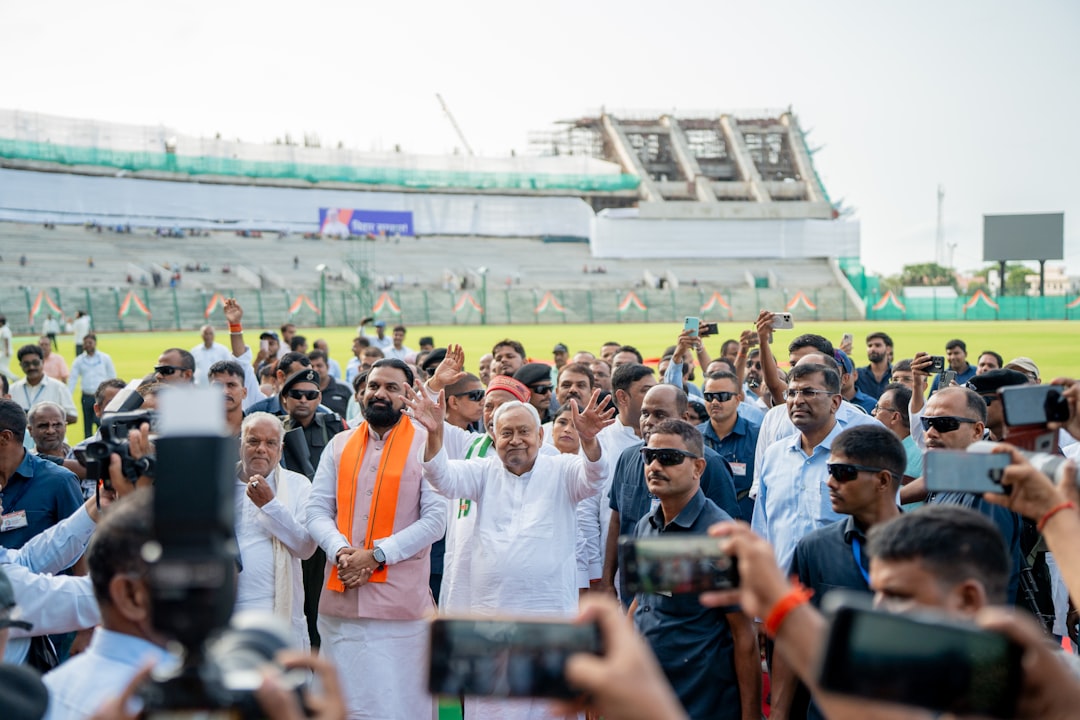
Prime Minister Narendra Modi's recent meeting with Victoria's Governor, Margaret Gardner, in Melbourne focused on enhancing educational ties between India and Australia, emphasizing the role of education in strengthening bilateral relations.
India — Prime Minister Narendra Modi recently met with Victoria’s Governor, Margaret Gardner, in Melbourne, focusing on enhancing educational ties between India and Australia. This meeting, held on July 9, 2026, marks a significant step in fostering academic collaborations and research partnerships, as well as improving student mobility between the two nations.
The discussions highlighted the importance of educational cooperation as a pillar of the India-Australia Comprehensive Strategic Partnership. With approximately 59,000 Indian international students currently enrolled in Victorian universities, the meeting underscores the vital role of education in strengthening bilateral relations. According to The Hans India, both leaders recognized that education serves as a bridge between cultures, fostering mutual understanding and respect.
Strengthening Academic Collaborations
During the meeting, both leaders emphasized the need for stronger academic collaborations between Indian and Victorian institutions. The growing number of Indian students in Australia, particularly in fields such as Management, Information Technology, and Engineering, creates opportunities for universities to tailor programs that meet the needs of these students. Governor Gardner highlighted that the education sector significantly contributes to Victoria’s economy, with international students bringing substantial financial benefits to the region. The state continues to be a top choice for international students, particularly from India, who seek quality education and diverse learning environments.
As a result, Indian institutions can benefit from partnerships that enhance curriculum development and research initiatives. The Victorian education sector is increasingly focusing on Vocational Education and Training (VET), which aligns with India’s emphasis on skill development and job creation. This presents an opportunity for institutions in both regions to collaborate on developing vocational training programs that cater to the demands of the evolving job market. The Nation Press notes that such collaborations could lead to joint initiatives that not only improve educational standards but also address local workforce needs.
The state continues to be a top choice for international students, particularly from India, who seek quality education and diverse learning environments.
New York City's school system remains one of the most segregated in the U.S. City leaders are now pushing for integration, but advocates emphasize the…
Moreover, recent advancements in technology and digital learning play a crucial role in this collaboration. By leveraging online platforms, Indian and Australian universities can create joint programs that provide students with access to global resources and expertise. This could lead to innovative educational models that enhance learning experiences and outcomes. The integration of technology in education is not just a trend but a necessity, as it allows for greater flexibility and accessibility for students from diverse backgrounds.
Opportunities for Edu-Tech Innovators
The emphasis on educational collaboration between India and Victoria opens new avenues for edu-tech startups to engage with international markets. As educational institutions seek to integrate technology into their curricula, there will be a growing demand for innovative solutions that enhance learning and administrative processes. Edu-tech companies can capitalize on this trend by developing tools that facilitate remote learning, student engagement, and assessment. For instance, platforms that support collaborative learning experiences between Indian and Australian students can foster cross-cultural exchanges and enhance global competencies.
Furthermore, the integration of artificial intelligence and data analytics in education can provide insights into student performance and learning patterns. This data can help educators tailor their teaching strategies to better meet the needs of individual students, ultimately leading to improved outcomes. As the Indian government continues to promote digital education initiatives, edu-tech innovators have the opportunity to partner with educational institutions in Victoria to develop customized solutions that address specific challenges faced by both regions. Such collaborations can enhance the scalability of successful educational models and contribute to the overall growth of the edu-tech sector.
In addition, with the rise of online learning platforms, there is potential for joint certification programs that leverage the strengths of both Indian and Australian institutions. These programs can attract students from various backgrounds and create a diverse learning environment that enriches the educational experience. The collaborative efforts between institutions can also lead to the development of new curricula that reflect the changing dynamics of the global job market, ensuring that students are well-prepared for future challenges.
Commitment to Educational Ties
Overall, the meeting between PM Modi and Governor Gardner signals a commitment to fostering educational ties that can benefit both countries. By leveraging government support and focusing on innovative educational practices, India and Victoria can create a robust framework for collaboration that enhances the quality of education and prepares students for a globalized workforce. This growing partnership raises questions about the future of educational collaborations between India and Australia. As both countries work to strengthen their ties, what innovative educational models will emerge from this collaboration? Will these partnerships lead to a new wave of global education trends that redefine learning experiences for students?
Such collaborations can enhance the scalability of successful educational models and contribute to the overall growth of the edu-tech sector.
Frequently Asked Questions
What new programs might emerge from the India-Australia educational collaboration?
New joint degree programs and vocational training initiatives may arise from this collaboration, enhancing educational opportunities for students in both countries.
How can edu-tech innovators leverage this meeting for business opportunities?
Edu-tech innovators can explore partnerships with educational institutions in Victoria to develop tailored solutions that address specific challenges faced by students and educators, particularly in remote learning and assessment.
What steps should higher education administrators take to align with international educational trends?
Higher education administrators should focus on establishing partnerships with international institutions, promoting joint research initiatives, and integrating technology into curricula to stay competitive in a globalized education landscape.




 Education & University Insights
Education & University Insights