No products in the cart.

PM Modi’s Rozgar Melas: A Catalyst for Youth Empowerment in India
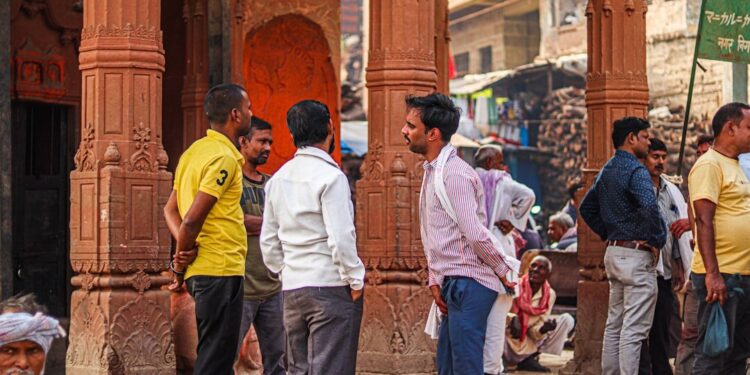
PM Modi's Rozgar Melas are revolutionizing youth employment and skill development in India, creating pathways for a brighter future.

New Delhi, India — Prime Minister Narendra Modi’s Rozgar Melas are making significant strides in addressing the employment crisis among Indian youth. Launched as part of a broader initiative to enhance skill development and job creation, these employment fairs aim to connect young job seekers with opportunities across various sectors.
On October 26, 2025, the latest Rozgar Mela saw thousands of applicants gather at venues across the country, with the government planning to fill over 50,000 positions in various fields, including healthcare, education, and technology. This initiative comes in response to an alarming youth unemployment rate of 23.7%, which has spurred the government to take immediate action to empower the younger generation with the skills they need to thrive in today’s competitive job market.

The Rozgar Melas not only serve as job fairs but also as platforms for skill development. The government has partnered with numerous educational institutions and training centers to provide workshops and training sessions on essential job skills such as digital literacy, communication, and problem-solving. By integrating these workshops into the employment fairs, the initiative ensures that attendees are not only finding jobs but are also equipped with the necessary skills to excel in their chosen fields.
One of the critical aspects of the Rozgar Melas is their focus on inclusivity. The fairs are designed to reach out to marginalized communities, including women, rural youth, and differently-abled individuals. According to the Ministry of Labor and Employment, over 30% of the positions available are reserved for women and disadvantaged groups, addressing historical disparities in the workforce.
The government has partnered with numerous educational institutions and training centers to provide workshops and training sessions on essential job skills such as digital literacy, communication, and problem-solving.
To further enhance the effectiveness of Rozgar Melas, the government has implemented a robust digital infrastructure. Job seekers can now register online, browse available positions, and even attend virtual job fairs. This digital transformation allows for greater accessibility, particularly for those in remote areas who may face challenges in attending physical events.
You may also like
 Education & University Insights
What NCERT Class 9 Students Will Learn About Money Management
The NCERT has integrated financial literacy into the Class 9 curriculum, focusing on tax slabs, budgeting, and investment knowledge. This initiative aims to equip students…
Read More →The impact of Rozgar Melas extends beyond immediate job placements. By fostering a culture of skill development and continuous learning, these initiatives are reshaping the workforce landscape in India. Employers are increasingly recognizing the importance of investing in employee development, which in turn boosts productivity and retention rates. For instance, companies that participated in previous Rozgar Melas reported a 15% increase in employee satisfaction and a 20% reduction in turnover rates.
However, challenges remain. Critics argue that while the Rozgar Melas are a step in the right direction, they do not address the underlying issues of job quality and wage stagnation. Many of the positions filled through these fairs are entry-level jobs that often come with low pay and limited career advancement opportunities. Additionally, the rapid pace of technological change means that the skills taught today may quickly become outdated. The government must ensure that its training programs adapt to the evolving demands of the job market.
The private sector also plays a crucial role in this ecosystem. Companies are encouraged to partner with the government to create internships and apprenticeships that provide hands-on experience. Tech giants such as Infosys and TCS have already begun engaging with the Rozgar Melas, offering mentorship programs that prepare young professionals for future challenges.
Looking ahead, the success of Rozgar Melas hinges on continuous evaluation and adaptation. The government plans to gather feedback from participants to improve future events and training programs. By maintaining an agile approach, the Rozgar Melas can evolve in response to the dynamic labor market and better serve the needs of both job seekers and employers.
Tech giants such as Infosys and TCS have already begun engaging with the Rozgar Melas, offering mentorship programs that prepare young professionals for future challenges.
Furthermore, as the global economy becomes increasingly interconnected, India must prepare its workforce for international opportunities. Initiatives that promote language training and cultural competence can enhance the employability of Indian youth on a global scale. Collaborations with foreign companies could also open doors to international internships and job placements, further enriching the skill sets of young professionals.
In this rapidly changing world, the Rozgar Melas signify more than just job fairs; they represent a commitment to empowering youth and fostering a skilled workforce. As the initiative continues to unfold, it is crucial for all stakeholders—government, educational institutions, and the private sector—to collaborate effectively. Together, they can create a robust framework that not only addresses current employment challenges but also prepares the next generation for future opportunities.
You may also like
 Education & University Insights
French School Protests Surge Amid Violence Concerns
France is witnessing a surge in school protests as students demand better educational conditions, leading to over 400 arrests. The protests spotlight critical issues such…
Read More →