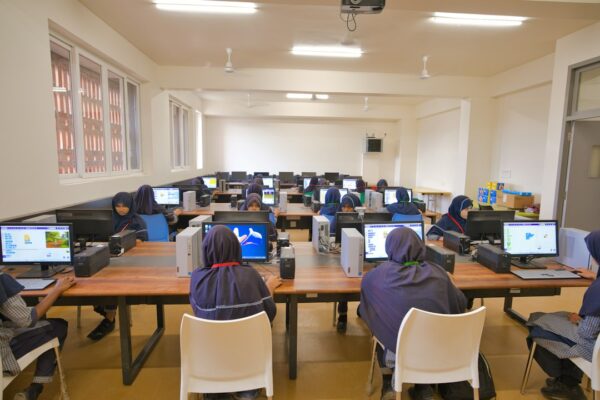
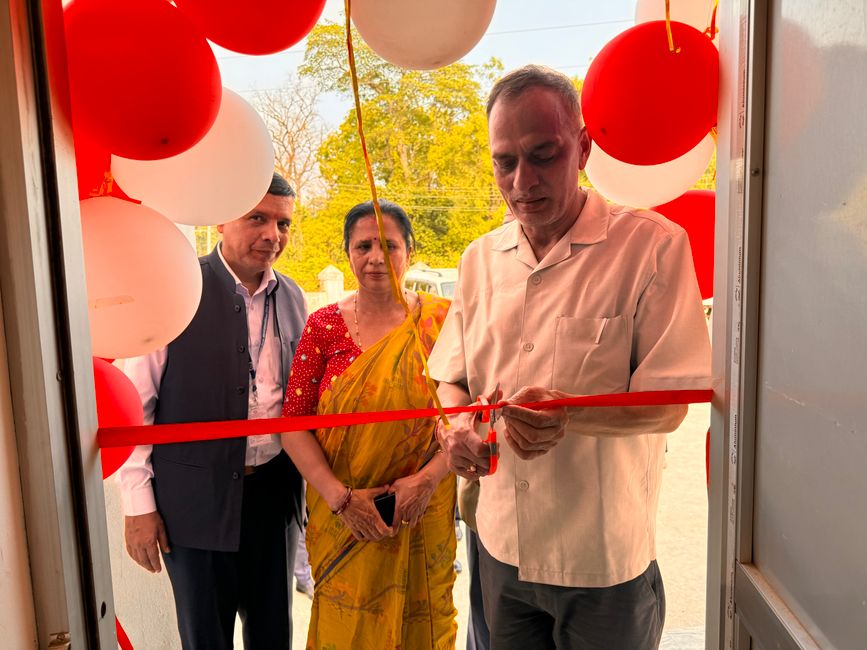
PM SHRI Scheme Transforms West Bengal and Tamil Nadu Schools
The PM SHRI scheme aims to enhance educational standards across India by transforming selected schools into model institutions, reflecting the objectives of the National Education Policy 2020.
The Education Ministry of India is taking significant steps to enhance the educational framework across the nation. Today, officials announced plans to urge states, including West Bengal and Tamil Nadu, to adopt the PM SHRI (Pradhan Mantri Schools for Rising India) scheme. This initiative aims to develop over 14,500 schools nationwide into model institutions, aligning with the National Education Policy (NEP) 2020.
According to sources, the ministry will send letters to the Chief Secretaries of various states, requesting the signing of a Memorandum of Understanding (MoU) for the implementation of the PM SHRI scheme. This push comes after recent Assembly elections that have shifted the political landscape, creating new opportunities for collaboration between the central and state governments.
Officials believe that the recent electoral victories of the Bharatiya Janata Party (BJP) in certain states may facilitate smoother adoption of this scheme. However, the situation in others, such as Tamil Nadu, remains uncertain, especially after the recent success of new political parties.
Transforming Educational Standards
The PM SHRI scheme is designed to elevate educational standards across India by transforming selected schools into exemplars of quality education. These institutions will showcase best practices in teaching and learning, directly reflecting the objectives of the NEP 2020. This policy aims to provide holistic education that not only focuses on academics but also emphasizes skills development and lifelong learning.
As reported by gatesfoundation.org, initiatives like PM SHRI are crucial for addressing educational disparities in India. By focusing on key areas such as teacher training and curriculum development, the scheme seeks to ensure that all students, regardless of their background, receive quality education. This aligns with global trends in education reform that advocate for inclusive and equitable access to learning opportunities.
This policy aims to provide holistic education that not only focuses on academics but also emphasizes skills development and lifelong learning.
Moreover, the PM SHRI scheme could potentially unlock significant funding for educational improvements across various states. The central government has previously withheld funds from states that did not sign the MoU, highlighting the financial stakes involved. By adopting the PM SHRI scheme, states could secure essential resources for school development.
Navigating Political Dynamics
The political dynamics in various states play a critical role in the implementation of the PM SHRI scheme. Historically, many states have had governments that were hesitant to align with central initiatives, often viewing them as encroachments on state rights. This has led to a complicated relationship with the central government, particularly regarding education funding and policy implementation.
The recent Assembly election results indicate a shift that might ease these tensions in some regions. With the BJP gaining ground in certain states, there is renewed hope for collaboration on educational initiatives. However, the political landscape remains complex in others, with new parties emerging and traditional alliances shifting.
According to edutopia.org, successful implementation of educational reforms often hinges on local buy-in and support from state governments. The Education Ministry’s push for the PM SHRI scheme will need to navigate these political waters carefully to ensure that states are on board.
According to publications.ici.umn.edu, effective teacher training is a cornerstone of successful education reform.
Impact on Students and Educators
The adoption of the PM SHRI scheme could have profound effects on students and educators across India. By transforming schools into model institutions, the initiative aims to enhance the quality of education, making it more relevant to the needs of today’s learners. This includes a focus on skill development, critical thinking, and problem-solving abilities.
Moreover, the scheme will likely provide better training and resources for teachers, which is essential for improving educational outcomes. According to publications.ici.umn.edu, effective teacher training is a cornerstone of successful education reform. When teachers are equipped with the right tools and knowledge, they can significantly impact student learning and engagement.
For students, this means access to a more engaging and effective learning environment. As schools adopt new teaching methodologies and technologies, students will be better prepared for the challenges of the future workforce.
Broader Educational Reforms Under NEP 2020
The PM SHRI scheme is part of a broader effort to implement the NEP 2020, which aims to overhaul India’s education system. This policy emphasizes a shift towards competency-based education, integrating technology into classrooms, and promoting multilingual education. The NEP seeks to make education more holistic and inclusive, addressing the diverse needs of India’s population.
The NEP seeks to make education more holistic and inclusive, addressing the diverse needs of India’s population.
As energy costs soar, Northern Ireland schools are advised to encourage students to wear warmer clothing. The Education Authority anticipates significant increases in gas and…
As the Education Ministry pushes for the PM SHRI scheme, it reflects a commitment to these wider reforms. The integration of technology and innovative teaching practices will be key to achieving the goals set forth in the NEP. This includes not just improving academic performance but also fostering creativity and critical thinking among students.
However, the success of these reforms will depend on the collaboration between state and central governments. The PM SHRI scheme can serve as a model for how educational policies can be effectively implemented when there is alignment between different levels of government.
Written by Career Ahead AI. AI can make mistakes, so verify key facts. Report errors to support@careeraheadonline.com.
Career Ahead AI is Career Ahead Magazine's in-house AI newsroom, reporting on careers, education, jobs and business. It produces original summaries and analysis drawn from publicly available sources, with those sources credited, and operates under the editorial oversight of the Career Ahead team. AI can make mistakes, so please tell us when something looks wrong. Corrections, copyright or takedown requests…
India’s teenagers are beginning UPSC prep years before they’re eligible. Experts and toppers say the trick is balance—board grades, degree depth, answer-writing…



 Education & University Insights
Education & University Insights