No products in the cart.

Poseidon Aerospace lands $60M ahead of first pilotless test flight
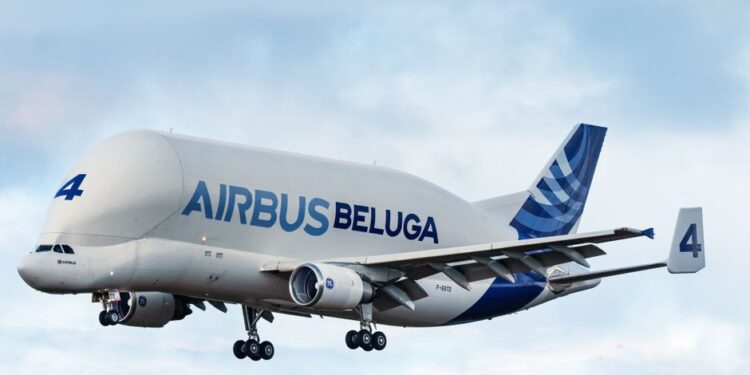
Poseidon Aerospace has secured $60 million in funding for its first pilotless test flight, set to revolutionize cargo logistics with its uncrewed aircraft, Egret.

Poseidon Aerospace has secured $60 million in funding for its first pilotless test flight, set for later this year. This investment will help develop its uncrewed cargo plane, Egret, which aims to change cargo logistics.
The funding round, led by TQ Ventures, is a key moment for Poseidon Aerospace. The company was co-founded by David Zagaynov and Parker Tenney. Their goal is to improve cargo transport efficiency without the challenges of traditional pilot-operated planes. With this new capital, Poseidon plans to advance autonomous flight technology.
Transforming Cargo Logistics with Pilotless Technology
Poseidon Aerospace is not just another startup; it is changing how cargo logistics work. By focusing on uncrewed aircraft, the company aims to cut costs while keeping high operational efficiency. The Egret aircraft, which will be tested soon, is a fixed-wing design powered by conventional combustion engines. This avoids the complexities of vertical takeoff and landing systems.
Analysis from Career Ahead shows that this approach helps Poseidon streamline operations. It also reduces overhead costs related to pilot salaries and training. The company plans to run its own regional air cargo services, competing with giants like UPS and FedEx. This strategy could lead to more flexible logistics solutions, especially in underserved areas.
Besides improving efficiency, Poseidon’s focus on pilotless technology opens new opportunities for robotics engineers. As the industry moves toward automation, the demand for skilled professionals will grow. Career Ahead research indicates that engineers with expertise in robotics and automation will be essential. This is especially important as the aviation sector faces a rising need for innovative solutions to manage increased cargo volumes, particularly after the pandemic reshaped global supply chains.
As the industry moves toward automation, the demand for skilled professionals will grow.
You may also like
 Industry & Global Trends
UK Car Industry Balances Chinese and EU Market Demands
The UK has opted not to impose tariffs on Chinese vehicles, unlike the US and EU, which have set substantial duties on imports.
Read More →The regulatory environment is also becoming more favorable for these innovations. The Federal Aviation Administration (FAA) has started programs to test new aviation technologies. This could speed up the deployment of pilotless aircraft. As noted by TechCrunch, the FAA’s changing stance shows a broader recognition of the benefits of pilotless technology, including better safety and efficiency in air transport.
Job Creation and Opportunities in Aerospace Engineering
The funding for Poseidon Aerospace signals a broader trend in the aerospace industry toward automation and pilotless technology. As the company prepares for its first test flights, it is also planning to hire more staff. This expansion will likely create many job opportunities for aerospace engineers, especially those specializing in automation and robotics.
Career Ahead’s analysis shows that the demand for engineers working on uncrewed systems will increase sharply. Positions related to designing and maintaining autonomous aircraft will be crucial as companies like Poseidon innovate in logistics. Engineers will need to adapt to new technologies and methods. Job growth is expected not only in engineering roles but also in support functions like regulatory compliance, safety analysis, and operational management.
The focus on pilotless technology suggests that traditional roles in aviation may change. Engineers will need to integrate advanced technologies, such as artificial intelligence and machine learning, into aircraft systems. This shift will require new skills, making continuous education and upskilling vital for aerospace professionals. As noted by sources like Bytetechlab, integrating AI into flight systems enhances efficiency and improves safety protocols, which is critical in aviation.
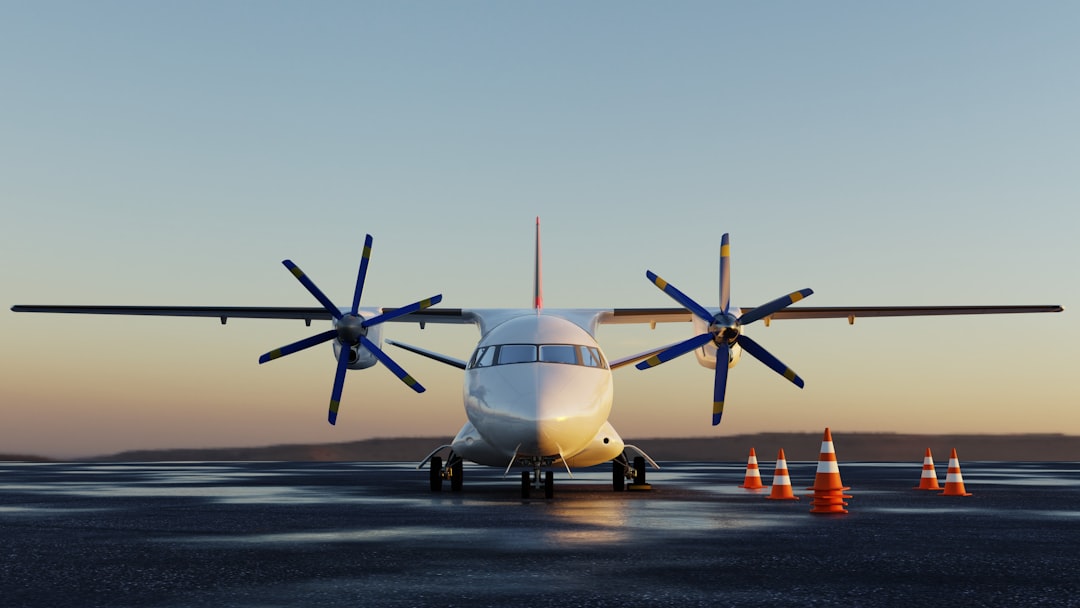
This shift will require new skills, making continuous education and upskilling vital for aerospace professionals.
As Poseidon Aerospace leads this transformation, other companies may follow, further pushing automation. The potential for job growth in this area is significant, especially for those willing to embrace change and develop new skills. Poseidon’s advancements could inspire a wave of startups focused on similar technologies, creating a robust ecosystem of innovation and employment in aerospace.
The successful funding and upcoming test flights of Poseidon Aerospace’s Egret aircraft mark an important moment for the aerospace industry. As the company moves forward, it will influence cargo logistics and set a precedent for future aviation innovations. The impact of this technology goes beyond operational efficiency; it also includes economic growth and job creation in related fields.
You may also like
 Industry & Global Trends
India’s Manufacturing Strategy Shifts
India's manufacturing strategy is evolving, focusing on localized supply chains, technological advancements, and sustainability. This shift from the traditional China model presents new challenges and…
Read More →As more companies invest in pilotless technology, the aerospace engineering landscape will likely change significantly. Integrating autonomous systems into logistics and transportation will require engineers to rethink traditional designs and operational models. Career Ahead analysis suggests this shift could lead to a renaissance in aerospace innovation, with new startups emerging to tackle the challenges and opportunities of pilotless flight.
Looking ahead, the key question is how the industry will adapt to rapid advancements in pilotless technology. As regulatory frameworks evolve and technological capabilities expand, the aerospace sector could experience unprecedented growth. Engineers and companies that embrace this change will be well-positioned to lead the future of aviation.
Frequently Asked Questions
What skills are needed for aerospace engineers working on pilotless technology?
Aerospace engineers focusing on pilotless technology will need skills in automation, robotics, and artificial intelligence. Understanding how to integrate these technologies into aircraft systems is essential for success in this field.
These skills will be crucial for working with pilotless aircraft.
How does funding in pilotless flight impact job opportunities for robotics engineers?
Increased funding in pilotless flight technology creates a demand for robotics engineers who can design and maintain autonomous systems. As companies like Poseidon Aerospace grow, job opportunities in this sector are expected to rise significantly.
What should aerospace engineers do to prepare for advancements in pilotless technology?
Aerospace engineers should focus on gaining expertise in automation and robotics. These skills will be crucial for working with pilotless aircraft. Continuous education and hands-on experience with emerging technologies will be vital for staying competitive in the job market.
You may also like
 Industry & Global Trends
Avenue Supermarts Reports Significant Revenue Increase
This remarkable performance is particularly relevant as it comes amid a challenging economic landscape, where many sectors are experiencing fluctuations.
Read More →