


Reno, USA — Positron, a semiconductor startup, has successfully raised $230 million in Series B funding. This significant investment positions the company to challenge Nvidia’s dominance in the AI chip market. As AI technologies continue to advance, the demand for efficient and powerful chips has surged. Positron aims to meet this demand with innovative solutions that promise to outperform existing technologies.
The funding round was led by the Qatar Investment Authority (QIA), which is keen on enhancing AI infrastructure globally. The QIA’s involvement underscores the growing interest in AI capabilities, particularly in the Middle East, where nations are striving to establish themselves as leaders in technology. The recent investment brings Positron’s total funding to over $300 million, reflecting robust investor confidence in its potential.
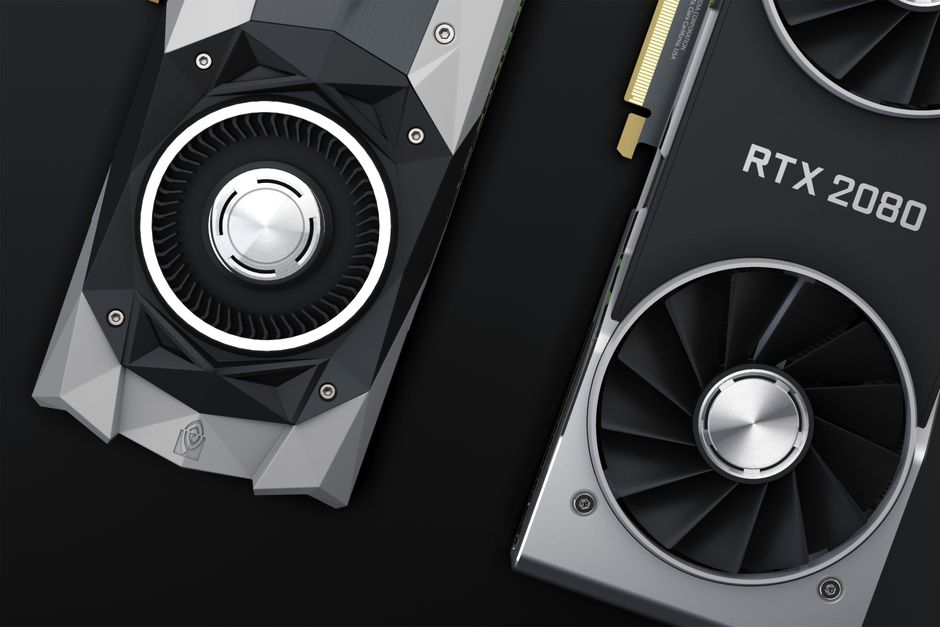
Positron’s strategy focuses on creating high-speed memory chips essential for AI workloads. These chips are designed to perform efficiently, using significantly less power compared to current market leaders. The company’s flagship product, the Atlas chip, reportedly matches the performance of Nvidia’s H100 GPUs while consuming only a third of the power. This efficiency could be a game-changer for companies looking to implement AI solutions without incurring excessive operational costs.
Why Positron’s Funding Matters Now
The timing of Positron’s funding is critical. As AI firms, including major players like OpenAI, seek alternatives to Nvidia’s offerings, the demand for competitive solutions is at an all-time high. OpenAI, despite being one of Nvidia’s largest customers, has expressed dissatisfaction with some of Nvidia’s recent chips. This dissatisfaction creates an opening for Positron to capture market share by providing better options.
Positron’s strategy focuses on creating high-speed memory chips essential for AI workloads.
Moreover, the global push for AI capabilities is intensifying. Countries are investing heavily in AI infrastructure, recognizing its importance for future economic competitiveness. Qatar’s QIA is already investing billions into AI initiatives, indicating a long-term strategy to become a hub for AI services. This trend suggests that Positron is not just entering a market; it is stepping into a rapidly evolving landscape where demand for innovative technology will only increase.
 AI & Technology
Microsoft Unveils AI-Optimized PCs with Nvidia Technology
Microsoft has unveiled new PCs powered by Nvidia's RTX Spark chip and an updated Windows 11, enhancing AI capabilities for developers and researchers. This shift…
Read More →As businesses shift focus from developing large AI models to deploying them effectively, the need for efficient inference hardware becomes paramount. Positron’s focus on inference rather than training positions it well in this evolving market. Companies are increasingly prioritizing the deployment of AI solutions that can enhance productivity and reduce costs, creating a ripe environment for Positron’s offerings.
How Positron’s Strategy Affects Your Career in Tech
As Positron embarks on this ambitious journey, the implications for tech careers are significant. For those in the semiconductor and AI sectors, this development could signal new opportunities. The demand for skilled professionals in AI chip design, memory technology, and related fields is likely to grow. Here’s how you can position yourself for success:
- Upskill in AI and Semiconductor Technologies: Consider taking courses in AI chip design, machine learning, and semiconductor physics. Websites like Coursera and edX offer relevant programs.
- Network with Industry Professionals: Attend conferences and seminars focused on AI and semiconductor technology. Engaging with industry leaders can provide insights and opportunities for collaboration.
- Stay Informed on Market Trends: Follow developments in AI technologies and semiconductor advancements. Websites like TechCrunch and Wired provide timely updates that can help you stay ahead.
However, some experts caution against overestimating Positron’s potential. While the funding is significant, the semiconductor market is highly competitive, and replicating Nvidia’s success is no small feat. According to analysts at Gartner, companies must balance innovation with practical scalability to succeed in this space.
As businesses shift focus from developing large AI models to deploying them effectively, the need for efficient inference hardware becomes paramount.
The Future of AI Chips and Your Career Path
Looking ahead, the landscape of AI chips is set to undergo significant transformations. As more companies enter the market, competition will drive innovation and potentially lower costs for users. This shift could democratize access to advanced AI technologies, allowing smaller firms to leverage powerful tools previously dominated by industry giants.

For professionals in the tech industry, this means a growing array of career opportunities. As startups like Positron emerge, there will be a rising need for talent in various roles, from engineering to marketing. Keeping an eye on these developments can help you position yourself strategically in a rapidly changing job market. How will you adapt to the evolving demands of the AI landscape?
Written by Career Ahead AI. AI can make mistakes, so verify key facts. Report errors to support@careeraheadonline.com.





