

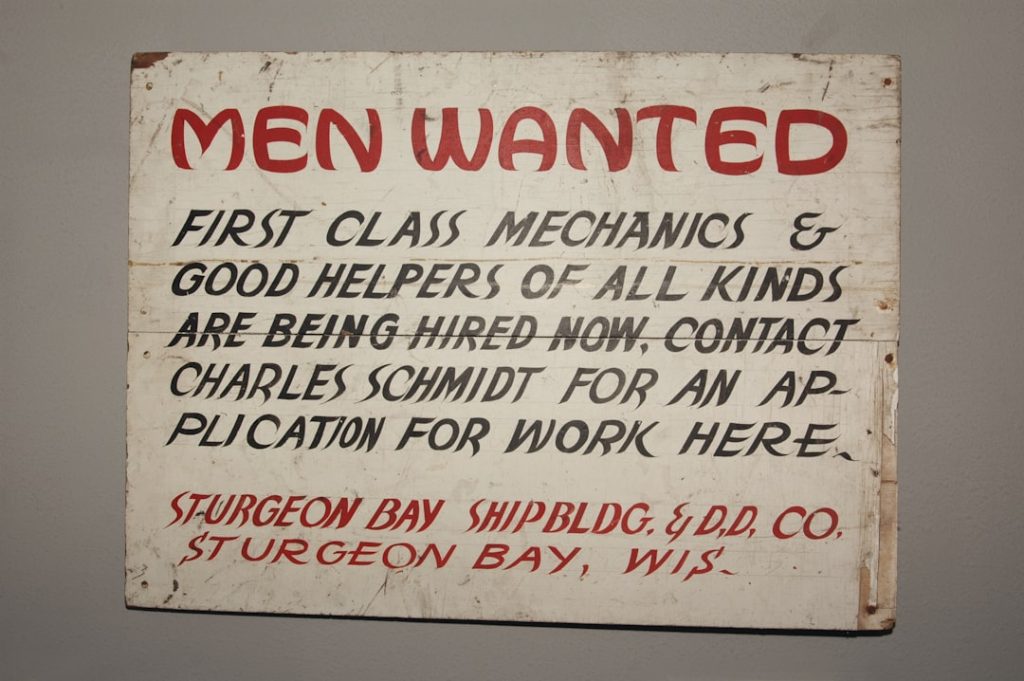
San Francisco, USA — As we approach the end of the decade, the workforce landscape is transforming at an unprecedented pace. With advancements in artificial intelligence, automation, and remote work, the jobs of 2030 will demand a new set of skills and competencies. professionals need to prepare now to stay relevant in this shifting environment.
The World Economic Forum projects that by 2025, 85 million jobs may be displaced due to the rise of machines and algorithms, while 97 million new roles could emerge, particularly in fields like data analytics, AI, and green technologies[1]. This shift underscores the urgency for individuals to adapt their skill sets to meet the demands of the future.
As industries evolve, so too do the skills required to succeed. A report by McKinsey highlights that 87% of companies are experiencing skill gaps in the workforce, particularly in digital, technical, and soft skills[2]. The need for continuous learning and upskilling has never been more critical. Professionals must embrace lifelong learning, taking advantage of online courses, workshops, and certifications to remain competitive.
Understanding Industry Trends
To effectively position oneself for future opportunities, it is essential to understand the trends shaping various industries. The tech sector, for instance, is witnessing rapid growth in areas such as cybersecurity, cloud computing, and AI. According to the Bureau of Labor Statistics, employment in computer and information technology occupations is projected to grow 13% from 2020 to 2030, much faster than the average for all occupations[3].
Professionals must embrace lifelong learning, taking advantage of online courses, workshops, and certifications to remain competitive.
Moreover, the healthcare industry is also evolving, driven by technological advancements and an aging population. Roles in telemedicine, health informatics, and biotechnology are on the rise. The demand for healthcare support roles is expected to grow by 31% from 2019 to 2029, as reported by the Bureau of Labor Statistics[4].
In addition to technical skills, soft skills such as emotional intelligence, adaptability, and communication are increasingly valued by employers. A LinkedIn survey found that 92% of talent professionals believe that soft skills are equally or more important than hard skills in the hiring process[5].
Strategies for skill development
To navigate the changing job landscape, individuals should adopt proactive strategies for skill development. Here are several actionable steps:
- Invest in Education: Enroll in courses related to emerging technologies and soft skills. Platforms like Coursera and Udacity offer a range of programs tailored to various industries.
- Network Actively: Attend industry conferences, webinars, and networking events. Building connections can lead to mentorship opportunities and job referrals.
- Gain Practical Experience: Seek internships or volunteer positions to gain hands-on experience in your desired field. Real-world applications of skills can significantly enhance your employability.
- Stay Informed: Follow industry news and trends. Subscribe to relevant publications and podcasts to keep abreast of developments in your field.
- Embrace Flexibility: Be open to changing career paths. The ability to pivot and adapt to new roles will be a valuable asset in the future job market.
As we move closer to 2030, the ability to anticipate changes and adapt accordingly will be paramount. The workforce will be characterized by a blend of human and machine collaboration, with roles that require creativity, critical thinking, and emotional intelligence becoming increasingly important.
 AI & Technology
Barclays Cuts 5,000 Jobs as AI Drives Cost Savings
Barclays will cut 5,000 jobs, about 5% of its workforce, with 60% in support roles. The cuts are driven by AI advances.
Read More →A LinkedIn survey found that 92% of talent professionals believe that soft skills are equally or more important than hard skills in the hiring process[5].
In this evolving landscape, those who prioritize continuous learning and adaptability will not only survive but thrive. The future is bright for those who are willing to invest in their skills and embrace the opportunities that lie ahead.
Written by Career Ahead AI. AI can make mistakes, so verify key facts. Report errors to support@careeraheadonline.com.





