No products in the cart.

Prioritizing Humanity in the Future of Work

As companies evolve, the future of work emphasizes human well-being, fostering a culture of meaning and social impact.

San Francisco, USA — The future of work is increasingly centered around humanity. Companies worldwide are rethinking their approaches to employee well-being, aiming to create environments that foster meaning and social impact. This transformation is not merely a trend; it reflects a deeper understanding of how workplaces can enhance both individual and collective futures.
Why does this matter? As organizations navigate the complexities of a post-pandemic world, the focus on human-centered practices is becoming essential. Corporate leaders recognize that prioritizing employee well-being can lead to improved productivity, lower turnover rates, and a more engaged workforce. A study by Gallup revealed that organizations with highly engaged employees can achieve up to 21% greater profitability[1].
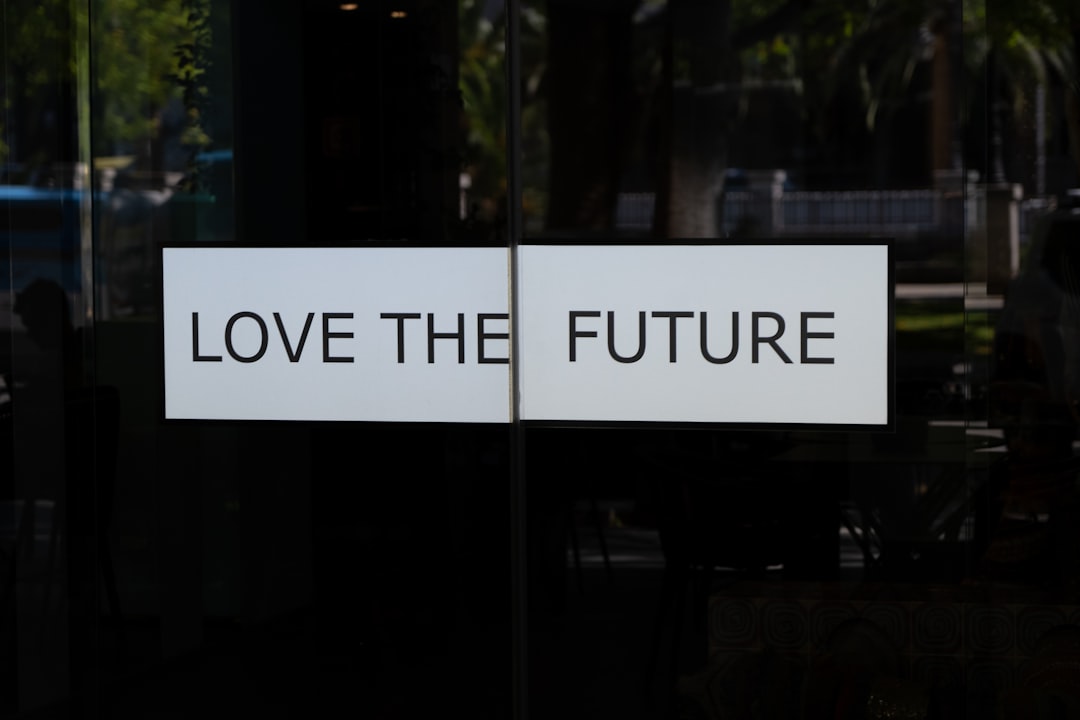
The shift towards a more humane workplace is not just about comfort; it’s about redefining corporate success. Companies like Microsoft and Salesforce have begun implementing policies that promote mental health, flexible working hours, and a culture of inclusivity. These initiatives are designed to empower employees, allowing them to thrive both personally and professionally. For instance, Microsoft has integrated mental health days into their annual leave policies, reflecting a commitment to employee wellness and productivity.
 Career Advice
Career in Laboratory Medicine after Covid-19
Career Ahead Pathology, or, in current nomenclature, Laboratory Medicine has been the backstage department in healthcare which gives silent support…
Read More →Contextually, the COVID-19 pandemic accelerated this evolution. Remote work became a norm, prompting companies to reassess their operational models. According to a report from McKinsey, 87% of employees prefer to work flexibly, whether in a hybrid model or entirely remote[2]. This shift has forced organizations to rethink their employee engagement strategies, emphasizing the importance of work-life balance.
The shift towards a more humane workplace is not just about comfort; it’s about redefining corporate success.
Moreover, the emphasis on environmental, social, and governance (ESG) factors is reshaping corporate priorities. Investors are increasingly favoring companies that demonstrate a commitment to social responsibility. A 2021 study by BlackRock found that more than 88% of investors believe that companies with strong ESG profiles will outperform their peers[3]. This financial incentive pushes businesses to adopt practices that not only serve their bottom line but also contribute positively to society.
However, this transformation is not without challenges. Critics argue that while many companies are vocal about their commitment to well-being, translating these values into action remains a hurdle. The gap between intention and implementation can lead to skepticism among employees. For instance, a survey by Deloitte showed that only 52% of employees felt their organization genuinely cared about their well-being[4].
 Banking & Finance
Mphasis Exceeds Revenue Expectations Amid Renewed Tech Spending
Mphasis meets third-quarter revenue estimates as banks resume tech spending, indicating a strong recovery in the IT sector.
Read More →To navigate this complex landscape, organizations must focus on authentic engagement. This involves listening to employee feedback and making tangible changes based on their needs. Companies like Unilever have adopted a participatory approach, involving employees in decision-making processes regarding workplace policies. This not only fosters trust but also empowers employees to take ownership of their work environment.
Looking ahead, the future of work will likely continue to prioritize humanity as a core value. Companies that successfully integrate well-being into their culture will not only attract top talent but also cultivate loyal, motivated teams. As organizations strive to create workplaces that reflect their values, the conversation around mental health, inclusivity, and social responsibility will remain at the forefront.
Looking ahead, the future of work will likely continue to prioritize humanity as a core value.
As we move into 2026, the challenge for organizations will be to maintain momentum in these initiatives. Will they continue to prioritize employee well-being, or will the pressures of profitability overshadow these commitments? The answer may well define the next generation of corporate culture and its impact on society. Engaging with employees and fostering a sense of purpose will be crucial in shaping a future where work is not just a means to an end but a pathway to fulfillment.
 Career Advice
Navigating Relationships in a Digital Age
As technology transforms dating and relationships, understanding authenticity becomes crucial. Here's how to navigate these changes effectively.
Read More →