No products in the cart.

Protests Erupt Against New UGC Equity Regulations in India
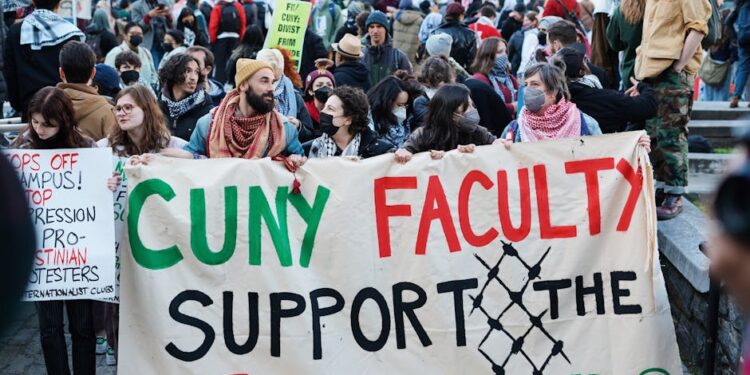
Protests against the UGC's new Equity Regulations have intensified across India, leading to legal challenges and political resignations. The implications for students and educational institutions are significant.

New Delhi, India — Protests against the University Grants Commission’s (UGC) recently introduced Equity Regulations are escalating, drawing significant public attention and political ramifications. These regulations, aimed at ensuring equitable access to higher education, have sparked widespread dissent among students and educators alike. The protests have intensified following the filing of a Public Interest Litigation (PIL) in the Supreme Court challenging the validity of these new rules. Additionally, a prominent BJP leader has resigned in protest over the regulations, highlighting the political stakes involved.
The UGC’s 2026 Equity Regulations are designed to promote inclusivity in Indian higher education, particularly focusing on the representation of marginalized communities. However, critics argue that the implementation of these regulations could lead to unintended consequences, including potential bias against certain groups. The resignation of the BJP leader, who cited concerns over the regulations’ impact on Other Backward Classes (OBC), underscores the contentious nature of this issue.
As protests spread across various educational institutions, students are voicing their concerns about the implications of these regulations on their future. Demonstrations have erupted in cities like Delhi, Mumbai, and Bangalore, where students are demanding a rollback of the regulations and greater transparency in the decision-making process. The situation has escalated to a point where law enforcement has had to intervene to maintain order, raising questions about freedom of expression and the right to protest in India.
Understanding the UGC’s Equity Regulations
The UGC’s Equity Regulations aim to address long-standing disparities in access to higher education. They propose measures to ensure that students from disadvantaged backgrounds receive adequate support and representation. While the intent behind these regulations is commendable, the execution has been met with skepticism.
Critics argue that the regulations could inadvertently create divisions among student communities, leading to feelings of resentment and hostility. For instance, some students fear that the focus on equity may result in reverse discrimination, where students from historically privileged backgrounds face disadvantages in admissions and scholarships.
Understanding the UGC’s Equity Regulations The UGC’s Equity Regulations aim to address long-standing disparities in access to higher education.
You may also like
 Government & Policy
8th Pay Commission Stakeholder Meetings Begin
The 8th Pay Commission is conducting stakeholder meetings to discuss salary and pension revisions for over 1 crore central government employees and pensioners, with key…
Read More →Moreover, the ambiguity surrounding the criteria for equity raises concerns. Many students are unsure how these regulations will be applied and what specific measures will be taken to support underrepresented groups. This uncertainty has fueled anxiety and distrust among the student population, prompting them to take to the streets in protest.
The filing of the PIL in the Supreme Court adds another layer of complexity to the situation. Legal experts suggest that the court’s decision could set a precedent for how educational policies are shaped in the future. If the court rules against the UGC, it may force a reevaluation of the regulations and their underlying principles.
Career Implications for Students Amidst the Unrest
The ongoing protests and potential changes to the UGC’s Equity Regulations could have significant implications for students’ careers. For those pursuing higher education, the uncertainty surrounding the regulations may affect their academic choices and career paths.
Entry-level students, particularly those from marginalized backgrounds, may find themselves in a precarious position. If the regulations are implemented as planned, they could benefit from increased support and resources. However, the current unrest may deter some students from enrolling in higher education altogether, fearing instability and discrimination.
As the situation unfolds, professionals may need to remain adaptable and open to new opportunities that align with changing educational policies.
Mid-career professionals who are considering further studies may also feel the impact. The evolving landscape of higher education could lead to a shift in the skills and qualifications that employers value. As the situation unfolds, professionals may need to remain adaptable and open to new opportunities that align with changing educational policies.
You may also like
 Government & Policy
Sebi Reviews Position Limits to Enhance Non-Agri Liquidity
As part of this initiative, Sebi is also emphasizing the importance of phased physical settlement for agricultural commodities.
Read More →For career switchers, the protests highlight the importance of staying informed about educational trends and policies. As students rally for their rights, individuals looking to pivot their careers may need to assess how these changes could affect their qualifications and job prospects.
What Steps Can Students Take Now?
- Stay Informed: Keep up with the latest developments regarding the UGC Equity Regulations and related protests. Understanding the evolving landscape will help you make informed decisions about your education.
- Engage in Dialogue: Participate in discussions with peers, educators, and policymakers. Sharing your perspective can help shape the conversation around equity in education.
- Explore Alternatives: If you are concerned about the impact of these regulations on your career, consider exploring alternative educational pathways, such as online courses or vocational training.
- Advocate for Change: Get involved in advocacy efforts to ensure that student voices are heard. Join organizations that promote equitable access to education and engage in peaceful protests.
However, experts warn that this trend may not be sustainable. A recent study by the National Institute of Educational Planning and Administration suggests that while equity in education is crucial, the approach taken by the UGC may lead to more division rather than unity among student communities. Critics argue that a more inclusive dialogue is necessary to address the diverse needs of all students.
The Future of Educational Equity in India
The current unrest surrounding the UGC Equity Regulations raises important questions about the future of educational policies in India. As the Supreme Court deliberates on the PIL, the outcome will likely influence how equity is approached in higher education.
In the coming months, students, educators, and policymakers will need to engage in constructive dialogue to ensure that the principles of equity do not compromise the integrity of educational institutions. The need for a balanced approach that considers the needs of all students is paramount.
The Future of Educational Equity in India The current unrest surrounding the UGC Equity Regulations raises important questions about the future of educational policies in India.
As we look ahead, one must wonder: How will the UGC adapt its policies to foster inclusivity while maintaining fairness for all students? The path forward will require collaboration and a commitment to creating a truly equitable educational landscape.
You may also like
 Government & Policy
HDFC Bank’s CEO Choice Reflects Regulatory Shift
Anup Bagchi, a veteran from ICICI Bank, has been appointed as the new managing director and chief executive officer of HDFC Bank, effective October 1,…
Read More →