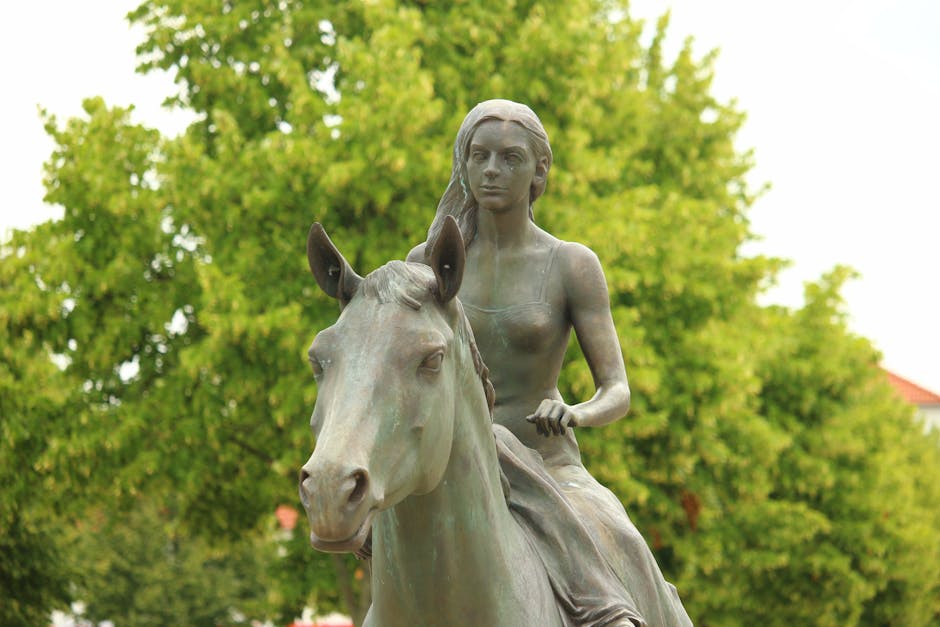
New York, USA — Public art installations are more than just aesthetic enhancements to urban landscape-in-india/” class=”ca-internal-link”>landscapes; they are powerful reflections of societal change. from murals that address social justice issues to sculptures celebrating diversity, public art has become a vital medium for dialogue in communities worldwide.
As cities evolve, so too does their public art. The rise of community-driven projects signals a shift in how art interacts with social issues. this trend is not just about beautification; it’s a lens through which we can examine our collective values and priorities.
<figure class=”aligncenter”><img src="https://careeraheadonline.com/wp-content/uploads/2025/11/pcxEGEolotU.jpg" alt="public Art as a catalyst for social change” loading=”lazy” />
Art has long been a tool for social commentary, but the recent surge in public art projects highlights a growing acknowledgment of its role in shaping public discourse. According to a report by the national endowment for the arts, nearly 50% of americans engage with public art in some form, whether through viewing, participating, or creating. this engagement fosters a sense of belonging and encourages community dialogue, making art a catalyst for social change.
Historically, public art has served as a reflection of societal values and challenges. The murals of the 1960s civil rights movement, for example, illustrated the struggles and aspirations of marginalized communities. today, artists are tackling contemporary issues such as climate change, immigration, and racial injustice through their work, further solidifying art’s role as a vehicle for social commentary.
today, artists are tackling contemporary issues such as climate change, immigration, and racial injustice through their work, further solidifying art’s role as a vehicle for social commentary.
One notable example is the “Fearless Girl” statue that stands opposite the iconic charging Bull on wall street in new york city. Installed in 2017, the statue symbolizes female empowerment and has sparked discussions about gender equality in the workplace. this installation not only beautifies the financial district but also serves as a reminder of the ongoing fight for women’s rights in corporate america.
public art projects are often born from grassroots movements, with community members actively participating in the creation and selection of art that resonates with their experiences. This participatory approach not only democratizes art but also ensures that the narratives represented are authentic and relevant to the local population. For instance, the “Chicago Mural project” engages residents in the creation of murals that reflect their stories and heritage, fostering a sense of ownership and pride.
 Government & Policy
Britain Sells Five-Year Debt at a 5.036% Yield
Gilt yields have risen across advanced economies, while dealers put the rise in Britain’s gross financing requirement for 2027/28 at £27 billion.
Read More →Moreover, public art has the potential to transform neglected spaces into vibrant community hubs. The “high line” in New York city, once an abandoned railway, has been revitalized into an elevated park featuring installations from various artists. This transformation has not only enhanced the aesthetic appeal of the area but has also spurred economic growth and increased tourism.
However, the impact of public art is not without challenges. issues such as funding, maintenance, and community buy-in can complicate projects. According to the urban institute, nearly 60% of public art projects face financial hurdles, which can hinder their execution and longevity. Additionally, the question of who gets to decide what art is displayed in public spaces often leads to tensions within communities.
despite these challenges, the potential for public art to inspire change remains substantial. cities across the globe are recognizing the importance of integrating art into urban planning as a means to foster community engagement and address social issues. For example, the city of Bristol in the UK has implemented a public art strategy aimed at promoting social cohesion and enhancing the city’s cultural identity.
Looking forward, the role of technology in public art is poised to expand significantly. digital installations and augmented reality experiences are beginning to emerge, offering new ways for artists to engage with audiences. These innovations not only attract younger demographics but also create interactive experiences that can provoke thoughtful dialogue around critical issues.
This transformation has not only enhanced the aesthetic appeal of the area but has also spurred economic growth and increased tourism.
The future of public art will likely see a greater emphasis on collaboration between artists, community members, and local governments. As cities grapple with complex social challenges, the integration of public art into urban planning can serve as a powerful tool for fostering dialogue and promoting inclusivity.
 News
NewsGermany Leads Survey of Study Destinations for Indian Students
Germany’s international enrolment, work limits and graduate stay options sit alongside different living costs in Berlin and Munich.
Read More →In this rapidly changing landscape, the importance of public art as a reflection of societal values cannot be overstated. It not only documents the cultural narratives of our time but also challenges us to envision a more equitable and just society. As communities continue to evolve, public art will remain a vital component in shaping our collective identity and aspirations.
Written by Career Ahead AI. AI can make mistakes, so verify key facts. Report errors to support@careeraheadonline.com.