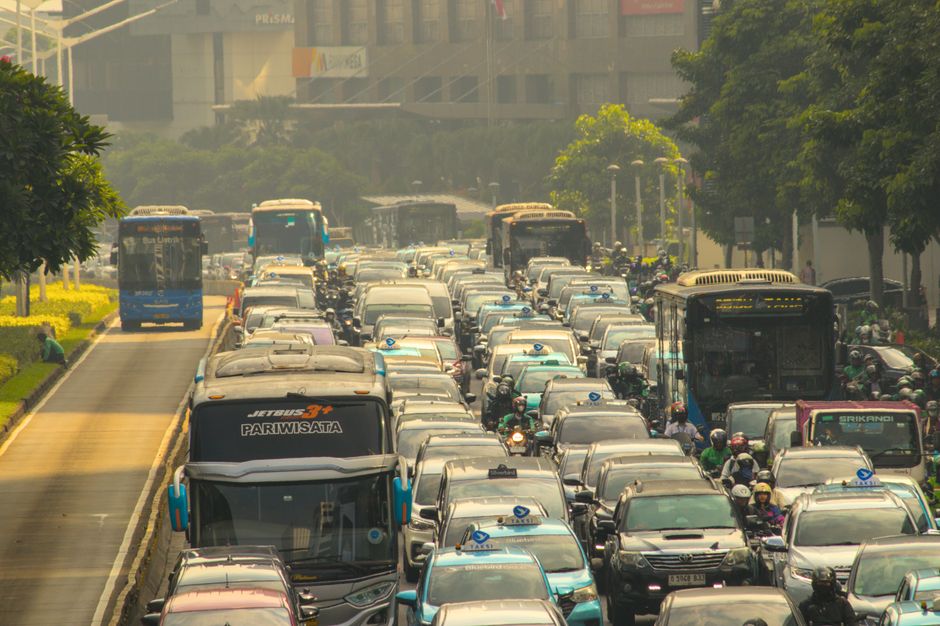
Poor public transport policies are significantly hindering urban mobility and economic growth across major cities in the United Kingdom. Recent letters published highlight the urgent need for reform in transport systems, particularly in London and Bristol. With Transport for London (TfL) reporting a decline in bus speeds and rising congestion, urban planners are facing a critical challenge in ensuring efficient public transport solutions.
In London, a 10% drop in bus speed correlates with a 6% decrease in ridership, according to TfL’s own calculations. This trend is not isolated; similar findings have emerged from a study by Imperial College London, which analyzed data across 15 global cities. As traffic congestion worsens, the effectiveness of public transport diminishes, leading to economic implications that extend beyond mere inconvenience for commuters. The ripple effects of these issues can be seen in the local economy, where businesses suffer due to decreased foot traffic and accessibility.
Understanding the Economic Impact of Transport Policies
Public transport is a lifeline for urban economies, facilitating access to jobs and services. When transport systems fail, the repercussions ripple through the economy. A firm’s ability to recruit talent from a wider area diminishes, and workers find it increasingly difficult to reach employment opportunities. This situation has been exacerbated in London, where cycle lanes have replaced dedicated bus lanes, further slowing down public transport. David Andrews, Chair of the Light Rail Transit Association, emphasizes that the current transport policy in London prioritizes publicity over practicality. He argues that ineffective prioritization of cycle lanes over buses has resulted in a waste of valuable road space. As a result, the economic viability of high streets is jeopardized, as fewer people can access these areas due to slow-moving public transport.
Furthermore, the economic implications of poor transport policies extend to local businesses that depend on customer footfall. In Bristol, city engineers found that attempts to implement bus priority measures in congested areas yielded no journey-time savings. This indicates a systemic issue where public transport policies are not aligned with the realities of urban traffic patterns. Career Ahead’s analysis finds that such inefficiencies not only affect daily commuters but also hinder local businesses that rely on foot traffic for survival. The lack of reliable public transport options discourages potential customers from visiting shops and services, leading to a decline in sales and economic vitality.
Moreover, the failure to modernize transport infrastructure has long-term implications for urban development. Cities that invest in efficient public transport systems, such as trams, can significantly enhance their economic prospects. For instance, cities in France that have integrated tram systems report increased foot traffic and revitalized urban centers, showcasing a model that UK cities could emulate. The integration of modern transport solutions not only improves mobility but also attracts businesses and investment, creating a positive feedback loop that benefits the entire urban area.
Career Ahead’s analysis finds that such inefficiencies not only affect daily commuters but also hinder local businesses that rely on foot traffic for survival.
As urban planners and public transport policy analysts examine these challenges, the need for innovative solutions becomes clear. The integration of trams and other mass transit options could alleviate congestion and improve overall mobility, as evidenced by successful case studies in other countries. The experiences of cities like Nantes and Bordeaux demonstrate that prioritizing public transport can lead to both economic and environmental benefits, a lesson that UK cities must heed.
Case Studies of Successful Public Transport Policies
Examining cities that have successfully implemented public transport reforms can provide valuable lessons for the UK. For example, cities like Nantes and Bordeaux in France have redefined their urban landscapes by introducing tram systems that prioritize public transit efficiency. These cities have seen a revitalization of their downtown areas, with increased business activity and improved accessibility for residents. In Nantes, the introduction of trams has transformed the city’s public transport landscape. The tram system operates efficiently, reducing congestion and encouraging the use of public transport over personal vehicles. As a result, the city has experienced economic growth and a reduction in carbon emissions, aligning with broader environmental goals.
Similarly, Bordeaux’s investment in public transport infrastructure has led to a significant increase in ridership and a decrease in traffic congestion. The city’s approach combines modern tram systems with policies that encourage sustainable urban development. Such models demonstrate that prioritizing public transport can lead to both economic and environmental benefits. The success of these tram systems highlights the importance of aligning transport policies with urban development goals. Career Ahead’s analysis suggests that UK cities could benefit from adopting similar strategies, focusing on integrated transport systems that prioritize efficiency and accessibility.
These examples underscore the need for UK cities to rethink their transport policies in light of successful international practices. As urban planners in the UK navigate the complexities of transport policy, the need for a paradigm shift is evident. Embracing innovative solutions like tram networks could not only enhance mobility but also stimulate economic growth, providing a blueprint for future urban development.

In conclusion, the current state of public transport in the UK poses significant challenges for urban development and economic growth. As cities grapple with congestion and declining ridership, the urgency for reform is paramount. The experiences of cities that have successfully implemented effective transport policies serve as a reminder of the potential benefits that can arise from prioritizing public transport. Looking ahead, the question remains: will UK cities adapt their transport policies to foster economic growth and improve mobility, or will they continue to struggle under outdated systems? The future of urban development in the UK may very well depend on the choices made in the coming years.
Embracing innovative solutions like tram networks could not only enhance mobility but also stimulate economic growth, providing a blueprint for future urban development.
Frequently Asked Questions
What does poor public transport policy mean for urban planners?
Poor public transport policies limit urban planners’ ability to create accessible and efficient city environments. As congestion increases, planners must find innovative solutions to integrate public transport with urban development.
How can public transport analysts advocate for better policies?
Public transport analysts can advocate for better policies by presenting data that highlights the economic impacts of inefficient systems. Collaborating with urban planners and engaging with local governments can also amplify their voices.

What should urban planners consider when designing transport systems?
Urban planners should prioritize integrated transport systems that focus on efficiency and accessibility. Learning from successful case studies in other cities can provide valuable insights for developing effective public transport solutions.
Written by Career Ahead AI. AI can make mistakes, so verify key facts. Report errors to support@careeraheadonline.com.