No products in the cart.

Quality and Reliability in 270 GW Peak Demand
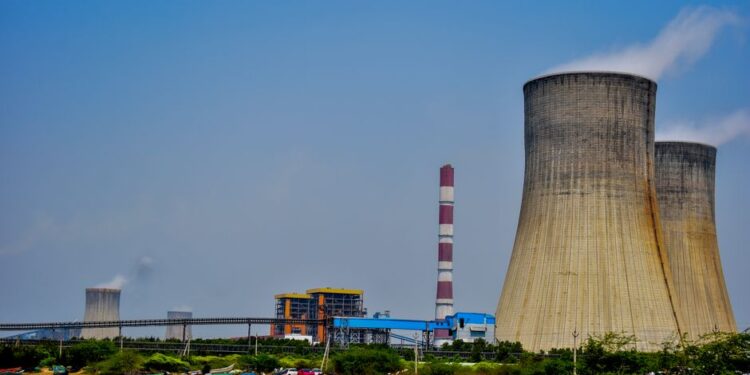
India's power sector has surpassed 270 GW in peak demand, highlighting the urgent need for improved energy quality and reliability. As the nation aims for a per capita electricity consumption of 4,000 kWh by 2047, the focus must shift from mere access to enhancing the quality of energy supplied.

India’s power sector recently reached a historic milestone by exceeding 270 GW in peak demand. This achievement shows the resilience of the national grid, which managed this load without shortages. This was unimaginable just a decade ago. The demand increased by over 10% compared to last year, highlighting the urgent need for better quality and reliability in energy systems.
The recent rise in demand reflects India’s growing economy and energy needs. The country aims for a per capita electricity consumption of about 4,000 kWh by 2047. The focus must shift from just providing access to electricity to improving the quality and reliability of every kilowatt-hour delivered. This change is vital for supporting industrial growth, healthcare, and education, all of which rely on stable energy supply.
Challenges in Energy Quality and Reliability
The current energy landscape in India shows clear differences between urban and rural areas. Urban centers enjoy stable electricity supply, while rural regions, which house about two-thirds of the population, still face major challenges. Despite improvements, rural areas average only about 22 hours of supply per day. Unpredictable outages can cripple small businesses, forcing many to use costly diesel generators, straining their resources. A report by The Hindu states that unreliable power in rural areas hampers economic growth and affects educational opportunities, as students struggle to study without stable electricity.
The distribution sector, especially state-owned DISCOMs, faces aging infrastructure and high technical losses, often exceeding 20% in many states. These inefficiencies hinder investments in necessary upgrades like automated monitoring systems and predictive maintenance. The Revamped Distribution Sector Scheme (RDSS), launched by the Government of India in 2021, aims to tackle these issues by funding loss reduction and smart metering. However, modest gains in billing and collection efficiency reveal ongoing challenges in the distribution network. DSS Consulting notes that integrating maintenance and reliability practices is key to improving operational efficiency and reducing losses.
Additionally, the shift to renewable energy sources complicates reliability. As variable renewable energy grows in the generation mix, maintaining power quality becomes harder. Supply fluctuations can cause voltage instability and frequency control issues, harming sensitive industrial operations. Career Ahead research shows that without significant investments in grid infrastructure and smart technologies, the reliability of renewable energy systems during peak demand will suffer. Transitioning to renewables requires a strong energy management framework that adapts to the variability of sources like solar and wind.
To address these challenges, a customer-centric approach is crucial. This means prioritizing investments in equipment and monitoring systems that boost reliability and service quality. The Draft National Electricity Policy 2026 stresses the need for benchmarks for supply quality through indices like SAIDI, SAIFI, and CAIDI. However, these metrics currently focus on sub-transmission levels and should extend to lower voltage networks for a complete understanding of consumer experience. Focusing on quality metrics is vital, as it directly affects consumer satisfaction and trust in the energy supply system.
Transitioning to renewables requires a strong energy management framework that adapts to the variability of sources like solar and wind.
Strategies for Enhancing Power Quality
You may also like
 Industry & Global Trends
Triyoga’s Crisis: Unpaid Instructors, Financial Struggles
Triyoga, once a favorite among celebrities and fitness enthusiasts, faced significant financial challenges leading to its downfall. Instructors reported that they had not received their…
Read More →Improving energy quality and reliability requires a multifaceted strategy. First, enhancing infrastructure in rural areas is essential. By modernizing distribution systems, including transformer replacements and health monitoring devices, DISCOMs can reduce outages and improve service delivery. This is not just a technical requirement but a developmental necessity for empowering rural economies. Integrating smart technologies can help monitor and manage energy resources better, ensuring supply matches demand more accurately.
Moreover, integrating smart metering systems can provide valuable data for managing electricity demand and supply. These systems can help identify consumption patterns, allowing for better forecasting and load management. However, the real challenge is ensuring that the underlying infrastructure supports these technologies. Without strong distribution networks, the benefits of smart metering will be limited. Additionally, implementing advanced analytics can enhance decision-making, enabling utilities to respond more quickly to demand fluctuations.
Furthermore, encouraging private sector participation in the distribution sector can help balance urban and rural energy access. Well-designed public-private partnerships can ensure investments are made where they are most needed, supporting rural electrification while maintaining urban service quality. Regulatory frameworks must enforce performance standards that protect rural consumers from neglect. Collaboration between public and private sectors can lead to innovative solutions that improve service delivery and operational efficiency.
Finally, the energy sector must shift from administrative control to enterprise-driven management. This includes adopting decentralized distribution models that empower local entities to make decisions based on community needs. Such a shift can lead to more responsive and accountable service delivery, enhancing consumer trust and satisfaction. As energy professionals face these challenges, they must also consider the implications of rising peak demand on their roles. The focus on quality and reliability will require new skills and approaches, especially in energy management and grid optimization. Career Ahead analysis highlights a growing skill gap in these areas, emphasizing the need for targeted training and development programs.
Career Ahead analysis highlights a growing skill gap in these areas, emphasizing the need for targeted training and development programs.
Addressing energy quality and reliability issues in India is not just about meeting current demand. It is about laying the foundation for sustainable economic growth. As the country aims to become a developed nation by 2047, a reliable and high-quality energy supply will be vital for driving innovation and improving the quality of life for all citizens.
The future of India’s power sector depends on its ability to adapt to rising demand and the complexities of integrating renewable energy sources. As the government sets ambitious electricity consumption targets, energy professionals must prioritize reliability and quality to ensure the grid can handle increased loads without compromising service.
You may also like
 Industry & Global Trends
What is happening to the Indian IT bench? | Explained | Career Outlook
India's IT sector is undergoing significant changes in its bench policies, impacting job security and project allocation for IT professionals. Major firms are tightening their…
Read More →Moreover, lessons from developed nations show that reliable electricity is essential for economic and social development. Countries that modernized their energy infrastructure demonstrate that a focus on quality can lead to significant improvements in productivity and overall quality of life.
As India moves forward, integrating advanced technologies in energy management will be crucial. Innovations in grid management, predictive analytics, and consumer engagement will enhance reliability and quality. The energy sector must remain agile and ready to respond to the evolving needs of a dynamic economy.
Ultimately, the question remains: can India transform its energy sector to meet and exceed consumer expectations? The path ahead will require concerted efforts from all stakeholders, including government, industry, and consumers, to ensure a sustainable and reliable energy future.
Career Ahead analysis highlights the need for strong infrastructure investments, smart metering, and decentralized management models to improve energy reliability.
Frequently Asked Questions
What are the best practices for ensuring energy reliability?
Career Ahead analysis highlights the need for strong infrastructure investments, smart metering, and decentralized management models to improve energy reliability. These practices can help address current disparities and enhance service delivery.
How does peak demand affect renewable energy projects?
Peak demand can strain renewable energy projects, causing supply fluctuations that lead to voltage instability. Without proper grid management and infrastructure support, the reliability of these projects may be at risk.

What should energy policy analysts consider when evaluating energy quality?
Energy policy analysts should focus on reliability indices, infrastructure investments, and the balance between urban and rural energy access. Understanding these factors is crucial for developing effective policies that enhance energy quality.
You may also like
 Industry & Global Trends
'Fuel, finance shocks hit world economy'
Neelkanth Mishra, World Bank Group Executive Director, discusses the challenges posed by rising fuel costs and tightening financial conditions on global economies, particularly India.
Read More →