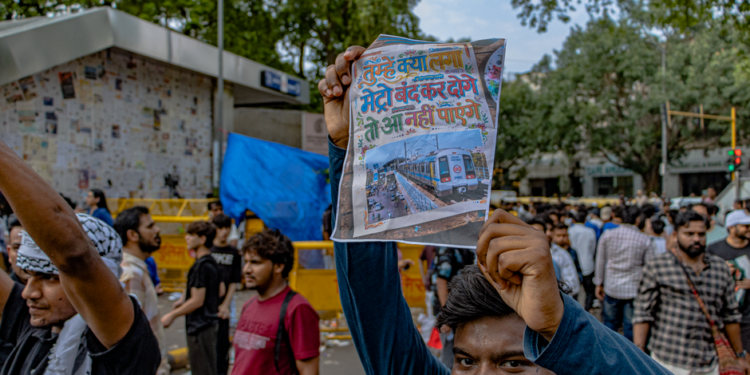
Students in Ranchi have been protesting since July 29, 2026, demanding a CBI investigation into alleged irregularities in the JPSC and JSSC examinations, following reports of paper leaks and misconduct.
Ranchi, India — Hundreds of students have been protesting since July 29, 2026, demanding a Central Bureau of Investigation (CBI) probe into alleged irregularities in the Jharkhand Public Service Commission (JPSC) and Jharkhand Staff Selection Commission (JSSC) examinations. This indefinite sit-in has gained significant attention, raising concerns about the integrity of recruitment processes in the state.
The protests erupted after reports of paper leaks and irregularities during the 14th JPSC examination and JSSC Combined Graduate Level (CGL) tests. Demonstrators have chanted slogans like ‘Order CBI probe in JPSC’ and ‘Long live Students Unity’, expressing dissatisfaction with the government’s response to these serious allegations.
Allegations of Malpractice
The students’ grievances stem from alleged malpractices in the JPSC and JSSC examination processes. Reports indicate multiple instances of paper leaks, including the recent leak of OMR sheets. Many students feel previous investigations, including one ordered by Chief Minister Hemant Soren, have been ineffective, leading to a loss of trust in the state’s ability to ensure fair examinations. According to the Tribune India, students are frustrated by the lack of transparency and accountability in the examination process, which undermines their future opportunities.
Rahul Kumar, a JPSC aspirant, stated, “Paper leaks in JPSC have happened several times. This time, OMR sheets of candidates have been leaked. We have completely lost faith in the ongoing CID probe. We demand a CBI probe into all recruitment examinations conducted by the JPSC and JSSC over the past seven years.” Many share this sentiment, fearing that current investigations may also end without accountability. The protests highlight broader implications, as these irregularities affect individual candidates and tarnish the reputation of the entire recruitment system in Jharkhand.
Demands for Reform
The students are not only calling for a CBI probe but also demanding the cancellation of the 14th JPSC Combined Preliminary Test held on April 19. They argue that the integrity of the examination process is essential for candidates from diverse backgrounds, especially those from economically disadvantaged families. The India Today reported that many students have united to voice their concerns, emphasizing the need for reforms to restore faith in the system.
The launch comes at a time when media consumption patterns are rapidly changing. Viewers increasingly prefer on-demand content and real-time updates, prompting networks like Bloomberg…
The India Today reported that many students have united to voice their concerns, emphasizing the need for reforms to restore faith in the system.
As protests continue, students have received support from across the country, with many sending food and supplies to sustain their sit-in. This solidarity highlights widespread discontent regarding the examination processes and the perceived lack of accountability by the state government. The students have also organized rallies and social media campaigns to raise awareness about their plight, showing a growing movement that seeks to hold the government accountable.
Impact on Future Recruitment
The ongoing protests have significant implications for future recruitment processes in Jharkhand. The demand for a CBI probe reflects a broader call for transparency and accountability in public service examinations. If the government fails to address these concerns, it risks eroding public trust in its recruitment processes. The protests underscore the urgent need for systemic reforms to ensure fairness and integrity in examinations, crucial for the career aspirations of thousands of students.
Students believe their careers are at stake due to alleged corruption in recruitment agencies. Ankit Kumar, another protester, emphasized, “The careers of thousands of students and aspirants are at stake due to corruption in both agencies. Most of us come from farmers’ families. We only want fair opportunities based on merit.” This highlights the urgent need for reforms in examination systems to ensure all candidates have a fair chance at securing government jobs. One specific reform being sought is the demand for a ‘not attempted’ option in OMR sheets, which could help reduce ambiguities in the examination process.
Government Accountability and Future Actions
The protests have raised important questions about government accountability in Jharkhand. The students demand not only a CBI probe but also the resignation of Chief Minister Hemant Soren on moral grounds. This reflects growing frustration with the government’s failure to act decisively against corruption and malpractice in public examinations. Shyam Bihari Gupta, a student from Latehar district, stated, “The state government is still in a sleeping mode. We are getting support from across the country. We are thankful to those helping us continue our protest.” This statement underscores the urgency felt by the protestors and their determination to continue their agitation until their demands are met.
As the protests gain momentum, the government faces increasing pressure to respond effectively. A potential CBI probe could lead to significant changes in how examinations are conducted in the future. If the government acts on the students’ demands, it may restore some trust in the examination processes. The outcome of these protests could set a precedent for handling similar issues in the future, not just in Jharkhand but across India.
In September, the economy added just 150,000 jobs, a stark contrast to the 200,000 jobs analysts had predicted. This slowdown comes amid ongoing inflationary pressures,…
Students believe their careers are at stake due to alleged corruption in recruitment agencies.
Frequently Asked Questions
What should JPSC exam candidates know about the ongoing protests?
JPSC exam candidates should know that ongoing protests demand a CBI probe into alleged exam irregularities. The situation highlights significant concerns over the integrity of the examination process and may influence future recruitment policies.
How might the JSSC exam irregularities affect future exam policies?
The JSSC exam irregularities have prompted calls for greater transparency and accountability in recruitment processes. Future policies may include reforms such as the introduction of a ‘not attempted’ option and stricter oversight of examination procedures.
What steps can candidates take if they are concerned about exam integrity?
Candidates concerned about exam integrity can participate in advocacy efforts, stay informed about developments, and support calls for transparency in the examination processes. Engaging with student organizations can also amplify their voices.



News
 News
News