No products in the cart.

Razer’s CEO on Gamers’ Hidden Love for AI in Game Development

Razer's CEO Min-Liang Tan discusses the gaming community's complex relationship with AI, revealing insights into how gamers might embrace AI in development.

Las Vegas, USA — Razer’s CEO Min-Liang Tan believes that gamers may have a hidden affinity for artificial intelligence (AI) in game development. Despite the backlash against AI in the gaming community, Tan argues that AI can enhance the gaming experience in ways that players might not yet realize. At CES 2026, Tan unveiled Razer’s latest innovations, including Project Ava, an AI companion designed to interact with gamers in a new, immersive way.
This perspective comes amid a broader conversation about the role of AI in gaming. While many gamers express concerns over AI’s potential impact on creativity and job security, Tan insists that AI tools can serve as valuable assets for developers. By streamlining processes and enhancing game quality, AI could ultimately lead to a more engaging experience for players.
During a live interview at CES, Tan discussed the motivations behind Razer’s push into AI technology and how it aligns with the company’s commitment to gamers. He acknowledged the skepticism within the gaming community but emphasized that AI’s integration could lead to groundbreaking advancements in game design and player interaction.
Why Razer Is Betting on AI in Gaming
Razer’s investment in AI is part of a strategic initiative to redefine how gamers interact with technology. The company is not merely following trends but is actively shaping the future of gaming through innovations like Project Ava. This AI companion, which takes the form of a hologram, aims to provide personalized interactions that enhance the gaming experience.
The company is not merely following trends but is actively shaping the future of gaming through innovations like Project Ava.
Tan highlighted that the gaming community is often resistant to change, especially when it comes to technology that could alter the traditional gaming landscape. However, he believes that AI can complement human creativity rather than replace it. By automating repetitive tasks, AI can free developers to focus on storytelling and gameplay mechanics, ultimately leading to richer gaming experiences.
Furthermore, Tan pointed out that the gaming industry has a history of embracing new technologies. From 3D graphics to online multiplayer, each innovation faced skepticism before becoming integral to gaming. He argues that AI is the next step in this evolution, one that could enhance gameplay and deepen player engagement.
You may also like
 AI & Technology
A.I. Boom Defies High Interest Rates, Challenges Fed
In the last quarter, AI startups attracted over $10 billion in venture capital, a figure that highlights the ongoing investor interest despite economic headwinds.
Read More →How AI Could Transform Game Development
The potential applications of AI in gaming are vast. Tan mentioned several areas where AI could make a significant impact:
- Quality Assurance: AI can assist in testing games more efficiently, identifying bugs and issues faster than human testers.
- Content Creation: AI tools can help generate assets or even assist in writing narratives, allowing developers to explore new creative avenues.
- Player Interaction: AI companions like Ava can offer personalized experiences, adapting to players’ preferences and behaviors.
- Game Balancing: AI can analyze player data to adjust difficulty levels in real-time, ensuring a tailored experience for each gamer.
These innovations could not only improve the gaming experience but also change how games are developed. By incorporating AI into their workflows, developers can create more complex and engaging games that resonate with players.
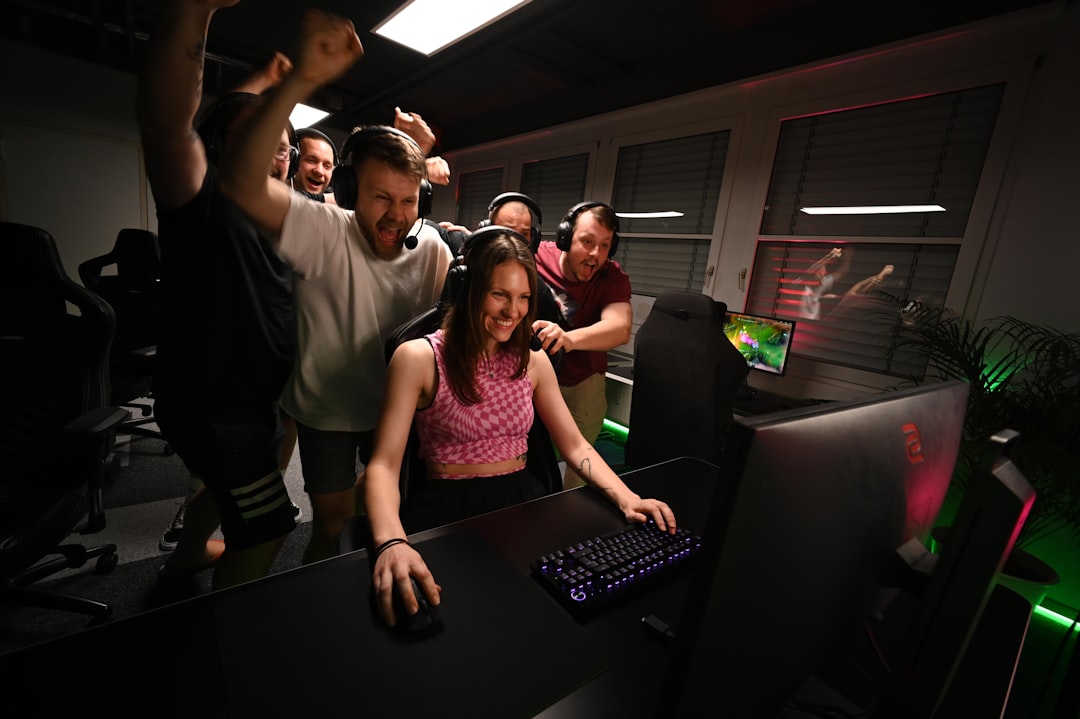
However, experts warn that this trend may not be sustainable. Critics argue that over-reliance on AI could lead to a homogenization of game design, where unique artistic visions are sacrificed for efficiency. The balance between innovation and creativity remains a critical concern as the industry embraces AI.
The Future of AI in Gaming: Opportunities and Challenges
Looking ahead, the integration of AI in gaming presents both opportunities and challenges. As Razer continues to push boundaries, the industry must navigate the ethical implications of AI technology. How do we ensure that AI enhances creativity without overshadowing the human element that makes games special?
How AI Could Transform Game Development The potential applications of AI in gaming are vast.
Tan’s vision for Razer and the gaming industry reflects a belief in the potential for AI to revolutionize the way games are made and played. As developers adopt these technologies, the landscape of gaming will inevitably change, leading to new genres and experiences that we can only begin to imagine.
You may also like
 AI & Technology
DeepSeek Closes AI Gap with US Rivals to 3%
Chinese AI firm DeepSeek has successfully narrowed the performance gap with leading US AI models to just 3%, signaling a significant shift in the global…
Read More →As gamers and developers alike grapple with these changes, one question remains: Will the gaming community embrace AI as a partner in creativity, or will resistance to change hinder the industry’s evolution? The answer may shape the future of gaming for years to come.