No products in the cart.

Record Retail Sales Mark Diwali in India

India's Diwali retail sales reached a historic ₹6 trillion, driven by consumer enthusiasm and economic recovery.

Mumbai, India — India’s retail sector experienced a historic surge during the recent Diwali festival, with sales hitting an unprecedented ₹6 trillion ($72 billion) as consumer enthusiasm and festive spirit drove spending to record levels. This figure marks a significant increase from the previous year, showcasing robust economic recovery and a shift in consumer behavior.
The festival of Diwali, known for its emphasis on family gatherings and gift-giving, has traditionally been a peak shopping season in India. This year, the retail sales surge was fueled by a combination of factors, including increasing disposable incomes, improved consumer sentiment, and attractive discounts offered by retailers.
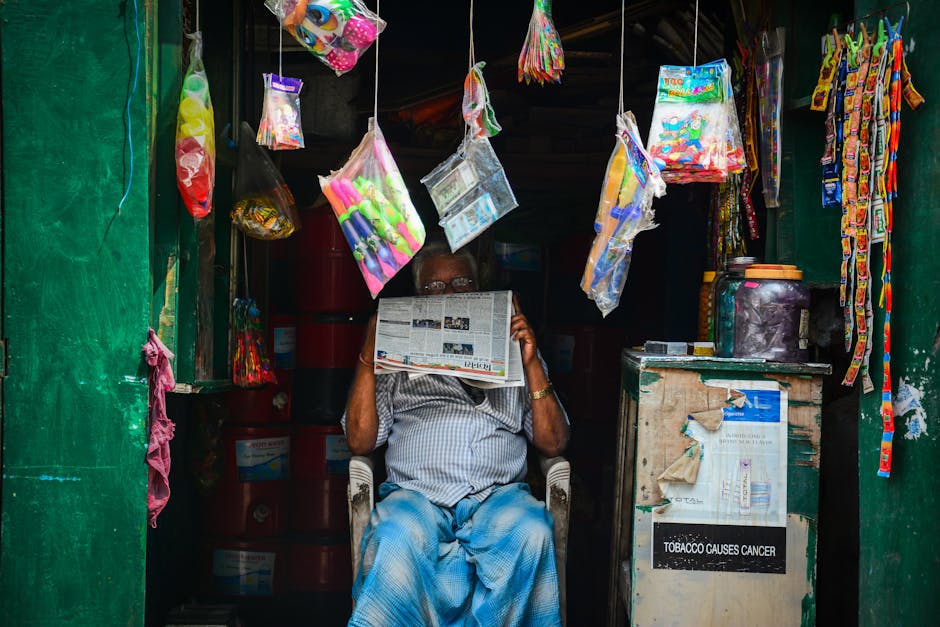
The total retail sales during the festive season not only reflect consumer confidence but also signal broader economic trends. According to the Retailers Association of India (RAI), sales across various segments, including apparel, electronics, and home goods, saw significant growth. In particular, online sales surged as e-commerce platforms like Flipkart and Amazon India offered enticing deals to capture the festive market.
Data from the RAI indicated that the overall retail growth rate for the festive period was approximately 25% year-over-year, with online sales contributing over ₹1 trillion to the total figure. This marks a pivotal moment for e-commerce in India, as it solidifies its role as a major player in the retail landscape.
According to the Retailers Association of India (RAI), sales across various segments, including apparel, electronics, and home goods, saw significant growth.
Furthermore, the increase in retail sales aligns with India’s broader economic trajectory. The international Monetary Fund (IMF) projected India’s GDP growth rate at around 6.1% for 2025, making it one of the fastest-growing major economies in the world. This growth is largely attributed to domestic consumption, which accounts for approximately 60% of India’s GDP. The festive season’s retail boom is a clear indication of the healthy appetite for consumption among Indian consumers.
In contrast, global economic trends present a mixed picture. While many countries continue to grapple with inflationary pressures and slowing growth rates, India’s economy has shown resilience. The country has effectively leveraged its demographic advantage, with a young population driving demand across various sectors.
However, the surge in retail sales does not come without challenges. Supply chain disruptions and inflation remain pressing issues. The Reserve Bank of India (RBI) has been proactive in managing monetary policy to curb inflation, which recently peaked at 6.9%. Analysts suggest that while the current economic indicators are positive, sustained growth will require careful navigation of these challenges.
Moreover, the rapid growth of online retail sales poses a significant challenge to traditional brick-and-mortar stores. As consumer preferences shift towards convenience and digital shopping experiences, physical retailers must adapt to remain competitive. Innovations in customer engagement, such as augmented reality shopping experiences and personalized marketing, will likely become essential for survival in the evolving retail landscape.
You may also like
 Fashion
The Future of Fashion Supply Chains
Discover how transparency, traceability, and blockchain integration are transforming the fashion supply chain, enhancing sustainability and consumer trust.
Read More →Looking ahead, the implications of this year’s Diwali sales extend beyond immediate economic indicators. The success of the retail sector during this festive period could encourage further investments in technology and infrastructure, enhancing the overall shopping experience for consumers. Companies that invest in omnichannel strategies, integrating online and offline experiences, are likely to emerge as leaders in the marketplace.
While many countries continue to grapple with inflationary pressures and slowing growth rates, India’s economy has shown resilience.
In summary, the record-breaking Diwali retail sales reflect more than just consumer enthusiasm; they symbolize a broader economic resurgence. As India continues on its growth trajectory, monitoring trends in consumer behavior, technology adoption, and economic policies will be crucial for stakeholders across sectors.