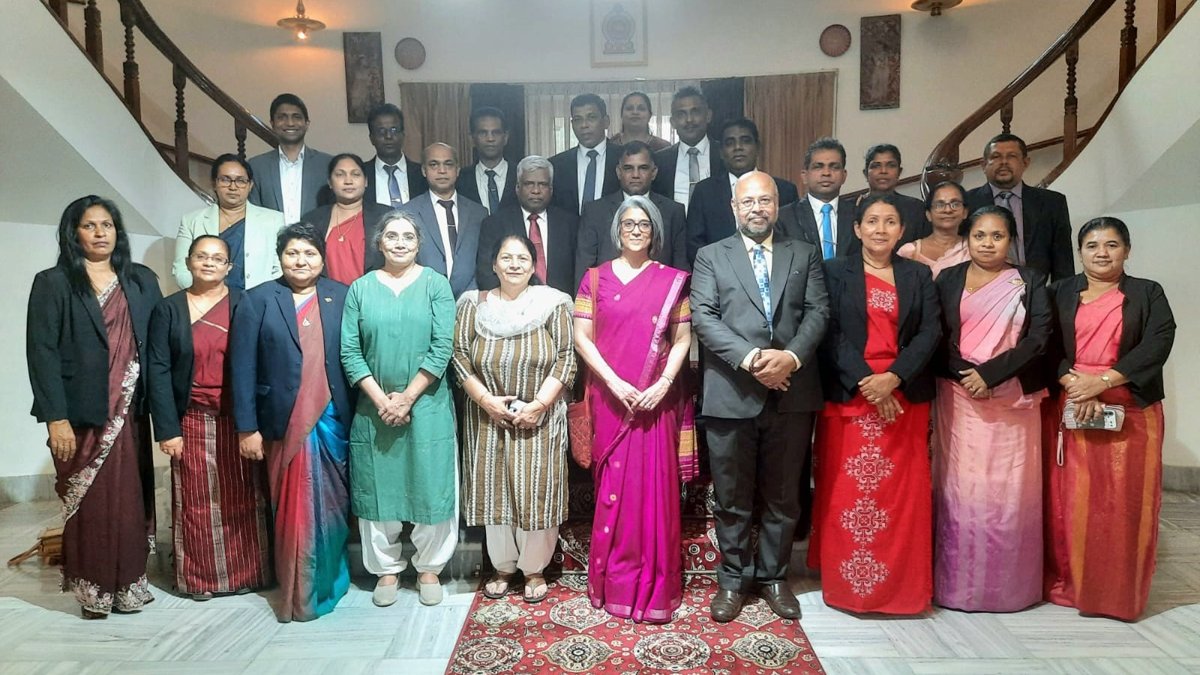
India’s higher education system is at a critical juncture as industry-academia partnerships struggle to align educational outcomes with workforce needs. A recent roundtable hosted by Accenture LearnVantage during the ETEducation Annual Education Summit in New Delhi highlighted the urgent need for a revised playbook in these collaborations. Participants included academic leaders and industry experts who gathered to address the widening gap between what universities produce and what employers require.
The discussion revealed that nearly 40% of core job skills are expected to be disrupted within the next five years. Furthermore, research indicates that about 60% of candidates entering the workforce lack the blended technical and business skills that employers now seek. This gap is measurable and increasingly significant, raising concerns about the efficacy of current educational frameworks. According to a report by NASSCOM, the skills gap is not just a statistic; it represents a real challenge for the future workforce, as businesses struggle to find candidates who meet their evolving needs.
Rethinking Collaboration Frameworks
The roundtable participants emphasized that the existing frameworks for collaboration are often insufficient. Many partnerships begin with enthusiasm but falter shortly after signing memorandums of understanding. Without clear ownership, timelines, and measurable deliverables, these agreements often remain symbolic rather than transformative. The need for a more structured approach is echoed in research from NOBL, which highlights that many organizations fail to bridge the execution gap between strategy and action.
Academic calendars and business cycles operate on different timelines, which complicates the collaboration process. Industry leaders expect rapid adaptation from academic institutions, while educators seek deeper engagement beyond mere recruitment cycles. This mismatch in expectations can erode trust and hinder the development of meaningful partnerships. For instance, while industry may push for immediate skill acquisition, educators often require time to develop and implement new curricula, leading to frustration on both sides.
To address these challenges, a more holistic framework for engagement is necessary. Participants suggested that partnerships should encompass the entire educational value chain, moving beyond traditional placements and guest lectures. This includes co-designing curricula and certifications to ensure they remain aligned with current and emerging industry requirements. As highlighted in discussions, the integration of real-world projects into academic programs can significantly enhance the relevance of education, making it more applicable to the job market.
Experiential learning opportunities, such as internships and live projects, were also identified as critical components of effective partnerships.
Experiential learning opportunities, such as internships and live projects, were also identified as critical components of effective partnerships. By placing students in real-world scenarios, educational institutions can better prepare graduates for the demands of the job market. Faculty immersion in industry environments can help keep curricula current, ensuring that academic programs reflect the latest developments in their respective fields. This approach not only benefits students but also allows faculty to bring fresh insights back to their classrooms, creating a dynamic learning environment.
 Education & University Insights
From JEE Setback to IIT Madras and DRDO Success
Tanya Chauhan's educational journey from facing setbacks in the JEE to thriving at IIT Madras and securing international research opportunities exemplifies resilience and adaptability in…
Read More →As highlighted by Career Ahead’s analysis, the need for stronger investment in applied research and innovation ecosystems is essential. Collaborations between universities and employers can create more meaningful connections between knowledge creation and real-world applications. This approach not only enhances student learning but also contributes to the development of a more skilled workforce. The emphasis on applied research is crucial, as it can lead to innovations that directly address industry challenges, fostering a symbiotic relationship between academia and the business sector.
From Goodwill to Accountability
One of the most significant outcomes of the roundtable was the proposal of a working charter aimed at moving partnerships from goodwill to accountability. This charter would assign clearly defined responsibilities to both industry and academia, ensuring that each party is held accountable for their commitments. The importance of accountability in partnerships cannot be overstated, as it transforms goodwill gestures into actionable commitments that can be monitored and evaluated.
Industry stakeholders would be expected to contribute live problem statements, capstone projects, internships, and support for Centers of Excellence and applied research. In return, academic institutions would commit to recognizing faculty engagement, building flexibility into academic calendars, and designating empowered points of contact to facilitate partnership progress. This reciprocal relationship is essential for fostering trust and ensuring that both parties are invested in the success of the collaboration.
Both sides would work together to create time-bound action plans and a shared set of metrics to measure success. This collaborative approach is designed to ensure that partnerships are not merely commemorated by signatures but are actively managed and evaluated for their effectiveness. The principles guiding this new framework include symmetry, ownership, timeliness, shared measurement, and replicability. Each commitment made by one party should have a corresponding commitment from the other, ensuring that no relationship relies solely on goodwill. This structured approach aims to foster sustainable partnerships that can withstand leadership transitions and adapt to changing market demands.
The educational sector must evolve to meet these demands, ensuring that students are equipped with the skills necessary for success in a dynamic job market.

As India positions itself as a global talent and innovation hub, bridging the gap between classrooms and workplaces is no longer just aspirational; it has become a strategic imperative. The discussions at the roundtable reinforced the idea that the future of industry-academia collaboration will be defined not by the number of agreements signed but by the partnerships that yield measurable outcomes. The urgency of this issue is compounded by the rapid pace of technological advancement. As businesses increasingly rely on AI and other emerging technologies, the need for graduates who can navigate these complexities becomes paramount. The educational sector must evolve to meet these demands, ensuring that students are equipped with the skills necessary for success in a dynamic job market.
 Education & University Insights
India’s Higher Education Agenda Puts Skills, Research and Faculty First
A panel framed the debate around India@2047, while a university chancellor said competitive research ecosystems can take 10–15 years to develop.
Read More →For higher education administrators and industry partnership managers, the implications of these discussions are profound. The persistent skills gap poses a significant challenge for both sectors. Without proactive measures to align educational outcomes with industry needs, graduates may continue to enter the workforce unprepared. The demand for skilled professionals is likely to rise, and institutions that fail to adapt their curricula risk losing relevance. By fostering genuine collaborations, educational institutions can enhance their value propositions to students and employers alike.
Looking ahead, it will be crucial to monitor how these partnerships evolve and the effectiveness of the proposed frameworks in practice. Will institutions embrace the accountability structures necessary to drive meaningful change? The coming years will be pivotal for the future of industry-academia collaborations in India, as both sectors work to bridge the gap between educational intent and workforce execution.
Frequently Asked Questions
What are best practices for higher education administrators in forming industry partnerships?
Career Ahead research highlights that higher education administrators should prioritize clear ownership, measurable deliverables, and regular engagement with industry partners. Establishing a working charter can help ensure accountability and foster sustainable collaborations.
Career Ahead research highlights that higher education administrators should prioritize clear ownership, measurable deliverables, and regular engagement with industry partners.
How can industry partnership managers ensure alignment with academic programs?
Industry partnership managers can facilitate alignment by actively participating in curriculum co-design and providing real-time feedback on emerging skills needs. Regular communication and shared metrics for success are also essential for maintaining alignment.

What should higher education institutions do to adapt to changing workforce demands?
Higher education institutions must invest in experiential learning opportunities and foster partnerships that encourage faculty immersion in industry settings. This approach will help ensure that curricula remain relevant and aligned with the skills required in the job market.
 Education & University Insights
How to Check Your Campus Placement Route and Eligibility
On-campus, off-campus and pool placements work differently. Engineering drives may use a test covering coding, maths, English and critical thinking.
Read More →Written by Career Ahead AI. AI can make mistakes, so verify key facts. Report errors to support@careeraheadonline.com.