

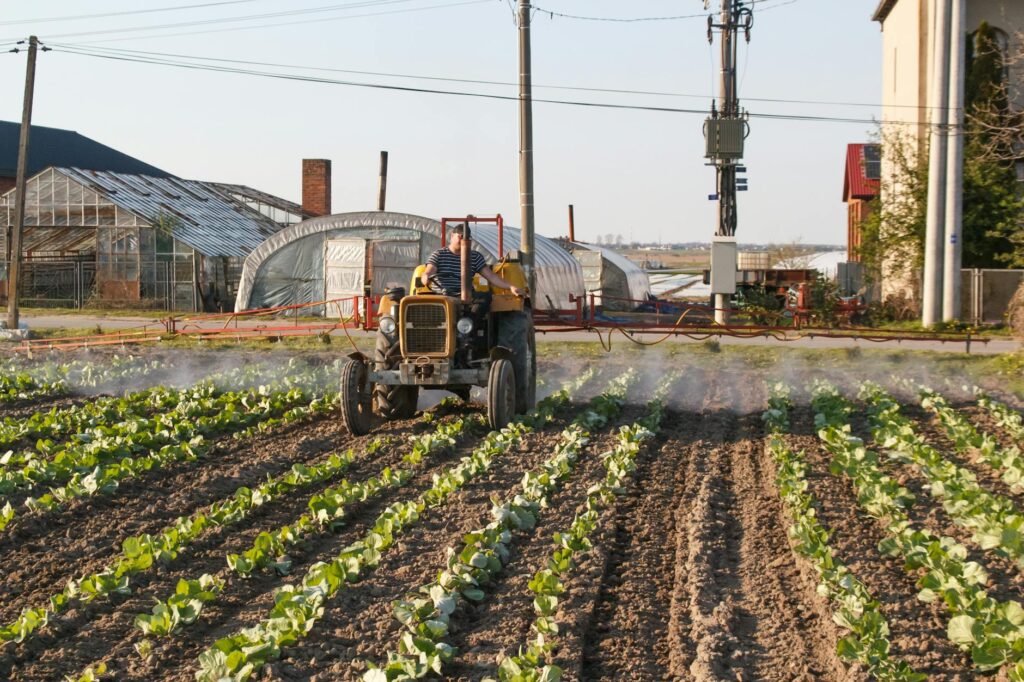
Dek: Universities are converting research labs, curricula, and extension networks into engines of regenerative agriculture, reshaping career capital, institutional power, and the trajectory of global food security.
The Macro Context: A Food System at a Crossroads
The planet’s primary food‑production network now accounts for roughly 25 % of anthropogenic greenhouse‑gas emissions, depletes 33 % of topsoil carbon annually, and contributes to a 10‑year decline in pollinator diversity [3]. These metrics signal a structural shift away from the industrial model that has dominated since the Green Revolution of the 1960s. The emergent paradigm—regenerative agriculture—re‑centers soil health, biodiversity, and ecosystem services as the basis for yield stability and climate resilience [3].
Higher‑education institutions sit at the intersection of knowledge creation, talent pipelines, and public‑policy influence. Their collective research budget exceeds $100 billion annually, and they command a global alumni network of over 200 million graduates [1]. When universities embed regenerative principles into their core missions, they can leverage this scale to rewire the systemic underpinnings of food production, from farm‑level practices to national policy frameworks.
Core Mechanism: Institutional Translation of Regenerative Principles
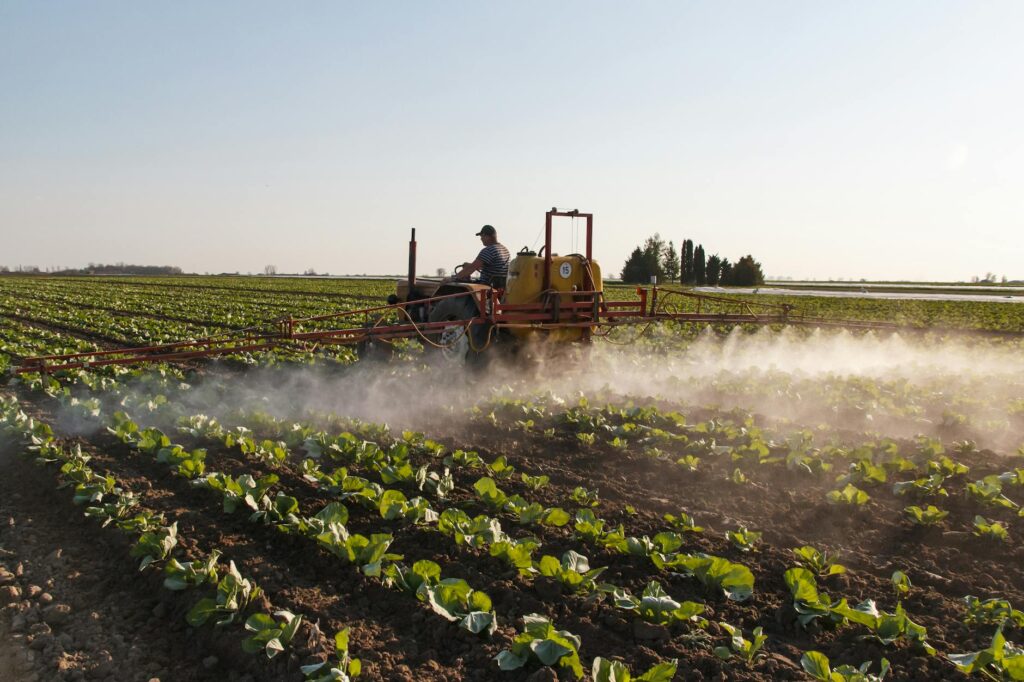
Regenerative agriculture operationalizes three interlocking pillars: (1) soil carbon sequestration, (2) diversified agro‑ecological design, and (3) closed‑loop nutrient cycles. Universities translate these pillars through three institutional levers: research, education, and community partnership.
Research: The University of California system’s 2024 Soil Health Initiative reported a 12 % increase in net primary productivity on test farms employing cover‑cropping and reduced tillage, alongside a 0.4 % annual rise in soil organic carbon [1]. Parallel work at the University of Illinois demonstrated a 15 % reduction in nitrous‑oxide emissions when integrating legume‑based rotations, a key greenhouse‑gas mitigation pathway [2]. These data points illustrate a hard‑science correlation between regenerative practices and measurable environmental outcomes.
Curricula: Over the past three years, 27 % of U.S. land‑grant universities have launched dedicated regenerative‑agriculture majors or certificates, up from 9 % in 2020 [2]. The University of Wageningen’s “Agro‑Ecology and Food Systems” program, now enrolling 1,200 students, embeds field‑based internships on regenerative farms, creating a pipeline of graduates equipped to scale these practices across the private and public sectors.
Community Engagement: Extension networks are the conduit for technology transfer.
Community Engagement: Extension networks are the conduit for technology transfer. The Cornell Cooperative Extension’s “Soil Hero” project, launched in 2023, has partnered with 450 family farms across the Northeast, achieving an average 8 % yield increase and a 20 % reduction in synthetic fertilizer use within two growing seasons [1]. Such partnerships institutionalize regenerative knowledge beyond academia, embedding it in regional food economies.
Collectively, these mechanisms convert abstract sustainability goals into quantifiable performance metrics, establishing a feedback loop that aligns research funding, student outcomes, and community impact.
 Education & University Insights
Tilvi: Research Funding Builds World-Class Universities
Tilvi argued that sustained research funding and advanced facilities define world-class universities. He cited Harvard's $50 billion endowment as proof.
Read More →Systemic Ripples: Institutional Power and Policy Realignment
When universities embed regenerative agriculture into their operational DNA, the ripple effects cascade through multiple systemic layers:
Environmental Externalities: Scaling regenerative practices across the 570 million hectares of U.S. cropland could sequester up to 300 Gt of CO₂ by 2050, offsetting roughly 30 % of the nation’s projected emissions trajectory [3]. Water‑quality models indicate a 25 % decline in nitrate leaching in watersheds adjacent to regenerative pilot sites, directly mitigating eutrophication risks in the Gulf of Mexico [4].
Policy Influence: Academic research informs legislative drafting. The 2025 Farm Bill amendments on “Carbon Incentive Programs” cite findings from the University of Minnesota’s carbon‑credit pilot, which quantified a $15 per‑tonne market value for soil carbon verified through university‑managed remote sensing [2]. This illustrates an asymmetric shift where scholarly evidence reshapes federal fiscal instruments.
Indigenous Knowledge Integration: Universities are uniquely positioned to bridge scientific and traditional knowledge systems. The Virginia Tech‑Heifer International collaboration on Mayan milpa revitalization demonstrates how academic agronomy can codify indigenous intercropping patterns, preserving cultural heritage while delivering a 10 % yield uplift on marginal lands [4]. This hybrid model counters the historical marginalization of Indigenous practices in mainstream agricultural policy.
Capital Allocation: Venture capital directed at ag‑tech has surged to $12 billion in 2025, with 28 % earmarked for regenerative‑focused startups—a proportion that doubled after university incubators, such as the Stanford Sustainable Food Lab, launched proof‑of‑concept trials that de‑risked early‑stage investments [1]. Institutional endorsement thus reconfigures the risk‑return calculus for private capital.
These systemic shifts reallocate institutional power from conventional agribusiness lobbying toward a coalition of academia, civil society, and emergent market actors, redefining the governance architecture of food systems.
These systemic shifts reallocate institutional power from conventional agribusiness lobbying toward a coalition of academia, civil society, and emergent market actors, redefining the governance architecture of food systems.
Human Capital Impact: Winners, Losers, and the New Career Landscape
 Education & University Insights
Indian Universities Must Prioritise Research, Innovation and Job Creation
Purushotham and Viswanathan outline a roadmap for Indian universities to focus on research excellence, entrepreneurship and policy changes to compete globally.
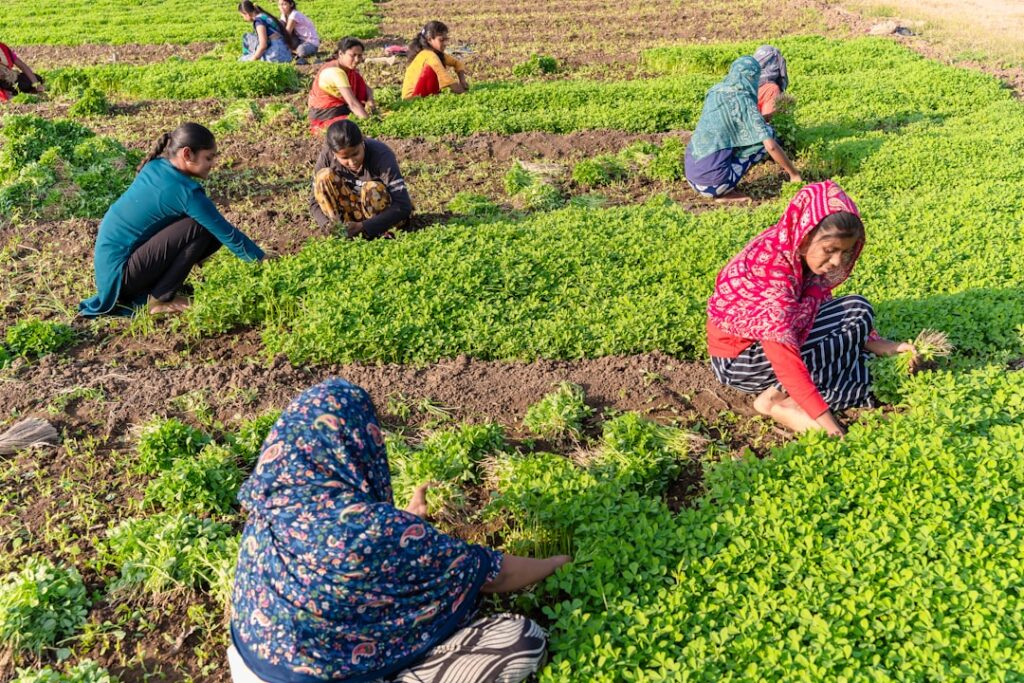
Read More →The diffusion of regenerative agriculture reconfigures career capital across three axes: skill set relevance, labor market demand, and equity of opportunity.
Emerging Professions: The Bureau of Labor Statistics projects a 12 % CAGR for “soil health specialists” and “agro‑ecological analysts” through 2030, outpacing the average 4 % growth for all occupations [1]. Universities are feeding this pipeline through interdisciplinary programs that blend agronomy, data science, and environmental law.
Entrepreneurial Ecosystems: University‑affiliated incubators have launched 45 regenerative‑agri startups since 2022, collectively raising $1.8 billion in seed and Series A funding [2]. Notable examples include “CarbonCrop,” which commercializes low‑cost soil carbon sensors, and “AgriLoop,” which offers blockchain‑based traceability for regenerative supply chains. These ventures generate high‑skill, high‑wage jobs, expanding the sector’s talent pool.
Equity Considerations: While the sector creates new opportunities, it also risks reproducing existing disparities if access to regenerative training remains concentrated in elite institutions. Community‑college partnerships, such as the “Regenerative Futures” program in the Mississippi Delta, aim to democratize skill acquisition, yet funding gaps persist—only 7 % of federal ag‑research grants in 2024 were allocated to historically Black colleges and universities (HBCUs) [3]. Addressing this asymmetry is essential to avoid a bifurcated labor market where affluent graduates capture the majority of high‑value roles.
Displacement Risks: Conventional agribusiness firms face structural pressure to restructure. A 2025 Deloitte analysis estimated that 15 % of large‑scale commodity farming jobs could be automated or consolidated as regenerative practices reduce input intensity and shift toward diversified, smaller‑scale operations [4]. Transition assistance and reskilling programs, often spearheaded by university extension services, will be pivotal in mitigating labor displacement.
Overall, the regenerative transition reallocates career capital toward interdisciplinary expertise, reshapes institutional power dynamics, and introduces a systemic equity challenge that universities must address to sustain inclusive growth.
Overall, the regenerative transition reallocates career capital toward interdisciplinary expertise, reshapes institutional power dynamics, and introduces a systemic equity challenge that universities must address to sustain inclusive growth.
Outlook: Institutional Trajectory Over the Next Three to Five Years
By 2029, the confluence of three forces is likely to cement universities as the central hub of regenerative food‑system transformation:
- Funding Realignment: Federal and philanthropic grantmakers are earmarking $4.5 billion for regenerative research, with performance‑based milestones tied to carbon‑sequestration outcomes. Universities that meet these benchmarks will secure preferential access to long‑term financing, reinforcing their role as gatekeepers of capital.
- Policy Codification: Anticipated amendments to the 2025 Farm Bill will embed university‑validated carbon‑credit protocols into the USDA’s Conservation Reserve Program, creating a market‑based incentive structure that scales regenerative adoption across 30 % of U.S. cropland.
- Talent Consolidation: As graduate enrollment in regenerative disciplines reaches a critical mass—projected at 45,000 students globally by 2028—universities will dominate the talent pipeline, shaping the sector’s normative standards and professional certifications.
 AI & Technology
Universities Face Calls to Prepare Students for Creator-Economy Jobs
The creator economy spans entertainment, education, advertising, gaming, e-commerce, media and technology, with work built through collaboration.
Read More →If these trends coalesce, the systemic shift will manifest as a self‑reinforcing loop: research generates data, data informs policy, policy channels capital, capital fuels education, and educated professionals accelerate practice adoption. The structural implication is a rebalanced power architecture in which academia, rather than traditional agribusiness, steers the strategic direction of the global food system.
Key Structural Insights
[Insight 1]: University‑driven regenerative research establishes quantifiable environmental metrics that rewire federal agricultural policy and unlock carbon‑credit markets.
[Insight 2]: The integration of Indigenous agronomic knowledge into academic curricula creates a systemic bridge between cultural heritage and modern ecosystem services, expanding the definition of sustainable capital.
[Insight 3]: Concentrated investment in regenerative‑focused university incubators reshapes the venture‑capital landscape, translating scholarly validation into asymmetric market advantage for emerging ag‑tech firms.
Written by Career Ahead AI. AI can make mistakes, so verify key facts. Report errors to support@careeraheadonline.com.





