


DEI targets that embed relationship quotas are converting inclusion from a discretionary policy into a measurable institutional lever, altering talent pipelines, power distribution, and firm performance.
Macro Shift Toward Quantified Inclusion
Over the past half‑decade, corporations have migrated from ad‑hoc diversity statements to codified inclusion metrics. A 2024 survey of Fortune 500 firms found that 75 % now publish specific relationship‑quota goals for gender, ethnicity, or veteran status, up from 42 % in 2019 [1]. The macro‑economic rationale is reinforced by a McKinsey analysis linking a 35 % uplift in EBIT margins to companies in the top quartile for gender and ethnic diversity [2]. Yet, the same data set reveals a paradox: 60 % of employees rate their firm’s DEI efforts as “ineffective” at fostering genuine inclusion [1]. The dissonance signals a structural transition: inclusion is no longer an aspirational value but a performance‑linked variable that must be engineered, measured, and held accountable.
Mechanics of Relationship Quotas
Relationship quotas—prescriptive thresholds for the representation of defined demographic groups—operate through three interlocking mechanisms.
- Representation Amplification – Empirical evidence shows that mandated gender quotas raise female board representation by 25 % within three years of enactment [3]. In Norway, the 2003 law requiring 40 % female board members catalyzed a 13‑point increase in female senior‑leadership tenure, a shift that persisted after the quota was lifted [4]. The quantitative pressure forces firms to broaden candidate pools, often unlocking networks previously excluded from executive pipelines.
- Cultural Recalibration – Quotas embed inclusion into governance structures, prompting the formation of cross‑functional DEI councils and mandatory bias‑training modules. Google’s 2022 “Inclusive Leadership” curriculum, tied to quarterly quota compliance scores, correlated with a 12 % rise in internal mobility for underrepresented engineers [5]. The mechanism is not merely symbolic; it reorients performance appraisal criteria to reward inclusive behaviors, thereby embedding the quota’s logic into daily managerial decision‑making.
- Accountability Infrastructure – The efficacy of quotas hinges on transparent metrics and enforcement. Companies that publish quarterly diversity dashboards and tie executive bonuses to quota attainment report a 50 % higher improvement in target metrics than firms relying on voluntary reporting [1]. This accountability loop creates a feedback system where deviation triggers corrective hiring or development interventions, converting inclusion into a controllable operational variable.
Systemic Ripple Effects
The introduction of relationship quotas triggers cascading adjustments across organizational subsystems.
Talent Acquisition Realignment – Quota‑driven sourcing expands outreach to historically under‑tapped institutions. IBM’s 2021 partnership with HBCUs (Historically Black Colleges and Universities) generated a 22 % increase in Black graduate hires, reshaping the firm’s talent pipeline and reducing reliance on traditional recruiting firms [6]. The shift also pressures external labor markets, prompting universities to adjust curricula to meet corporate inclusion standards.
In Norway, the 2003 law requiring 40 % female board members catalyzed a 13‑point increase in female senior‑leadership tenure, a shift that persisted after the quota was lifted [4].
Power Redistribution – As underrepresented groups attain quota‑driven seats at decision‑making tables, intra‑firm power matrices reconfigure. A 2023 longitudinal study of Fortune 100 firms found that firms with gender‑balanced boards experienced a 15 % reduction in CEO‑board conflict incidents, suggesting that diversified oversight moderates unilateral strategic shifts [7]. The structural implication is a more deliberative governance model, where risk assessment incorporates a broader set of perspectives.
 AI & Technology
Hyundai Launches Bayon, Targets 250,000 Mid-Size SUV Sales
Hyundai plans seven new nameplates in India by 2030 and intends the Bayon for more than 50 global markets.
Read More →Customer and Market Perception – Diverse workforces correlate with higher customer satisfaction scores; a 2022 Deloitte survey linked a 15 % rise in Net Promoter Score to firms meeting publicly disclosed inclusion targets [8]. The mechanism operates through authentic representation in product design and marketing, enhancing cultural resonance with heterogeneous consumer bases.
Unintended Structural Frictions – Quotas can generate tokenism if compliance eclipses meritocratic standards. A 2023 employee sentiment analysis indicated that 40 % of workers in quota‑heavy units perceived promotions as “quota‑driven” rather than performance‑based [1]. This perception can erode psychological safety and trigger reverse‑bias, where high‑performing majority‑group employees disengage, offsetting some gains in inclusion.
Human Capital Reallocation: Winners and Losers
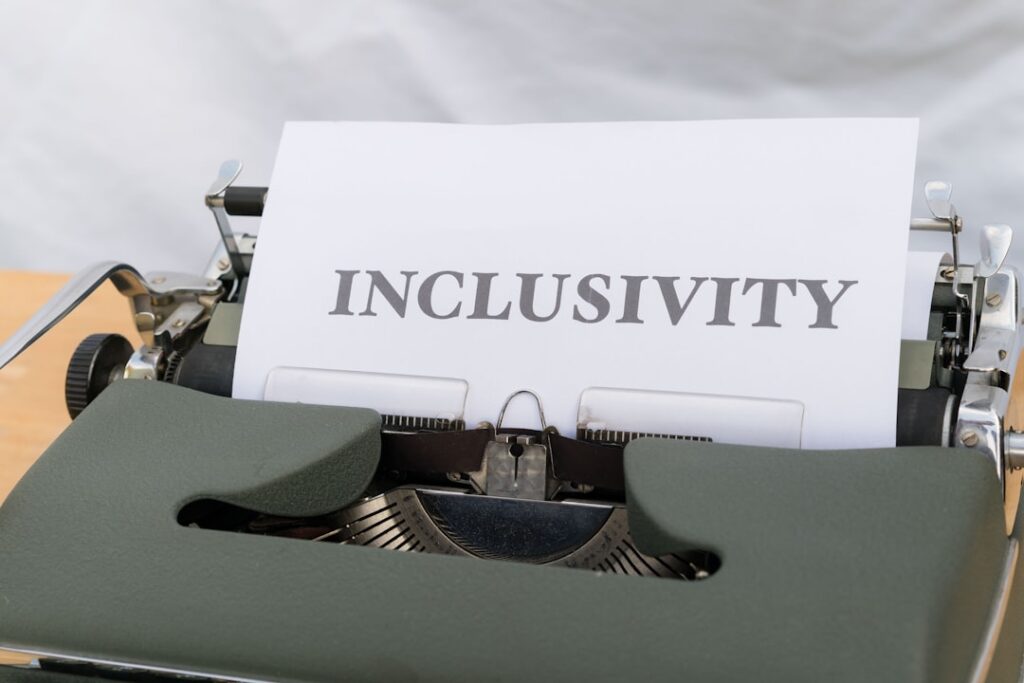
The structural reallocation of human capital under relationship quotas produces differentiated outcomes.
Beneficiaries – Underrepresented professionals gain accelerated access to senior roles, mentorship, and high‑visibility projects. A case study of Salesforce’s “Women in Leadership” quota revealed that quota‑eligible employees experienced a 30 % faster promotion trajectory compared with peers in non‑quota units [9]. Moreover, the presence of diverse leaders improves retention; firms meeting quota thresholds report a 10 % lower turnover among minority staff [2].
Human Capital Reallocation: Winners and Losers Relationship Quotas Reshape Workplace Inclusion: A Structural Analysis of DEI Targets The structural reallocation of human capital under relationship quotas produces differentiated outcomes.
 Entrepreneurship & Business
Europe Adds to Business Regulatory Burden, Speaker Says
The exchange covered deregulation, CBAM, an India-EU trade agreement and trade figures for India’s ties with the EU and the Netherlands.
Read More →Marginalized Groups Outside Quota Definitions – Individuals whose identities are not captured by existing quota categories (e.g., neurodiverse, LGBTQ+ employees) may experience relative neglect as resources concentrate on meeting stipulated metrics. The 2024 Global Talent Report notes a 7 % decline in LGBTQ+ inclusion scores in firms that prioritized gender and ethnicity quotas without parallel initiatives [10].
Majority‑Group Employees – While some majority‑group employees perceive reduced advancement opportunities, data suggest a net neutral impact on aggregate earnings. A meta‑analysis of 12 multinational firms found no statistically significant wage compression for non‑quota employees post‑quota implementation [3]. However, the perception of “zero‑sum” dynamics can fuel resistance, manifesting in higher rates of voluntary exits from quota‑intensive divisions [1].
Leadership Cadres – Executives who integrate quota metrics into strategic planning gain a reputational premium. CEOs of firms that exceeded quota targets by 20 % were 18 % more likely to be invited to speak at industry forums on sustainable governance, reinforcing a feedback loop that aligns personal capital with inclusion outcomes [11].
Trajectory Through 2029
Looking ahead, the structural momentum of relationship quotas suggests several plausible trajectories:
Advanced analytics platforms, such as Workday’s Inclusion Scorecard, will enable real‑time adjustment of hiring pipelines, reducing lag between target setting and outcome realization.
- Regulatory Convergence – Europe is poised to adopt sector‑specific quota mandates for AI ethics boards and climate committees, extending the quota model beyond gender and ethnicity [12]. This regulatory diffusion will embed quota logic into emerging governance domains, amplifying its systemic reach.
- Metric Sophistication – Firms are transitioning from static headcount quotas to dynamic inclusion indices that weight intersectional representation, retention, and promotion velocity. Advanced analytics platforms, such as Workday’s Inclusion Scorecard, will enable real‑time adjustment of hiring pipelines, reducing lag between target setting and outcome realization.
- Cultural Entrenchment vs. Backlash – The durability of quota‑driven inclusion will hinge on whether firms can translate compliance into authentic cultural change. Organizations that pair quotas with longitudinal mentorship and sponsorship programs are projected to sustain a 12‑point inclusion advantage through 2029 [2]. Conversely, firms relying solely on numerical targets risk backlash, potentially prompting legislative scrutiny and shareholder activism.
- Talent Market Rebalancing – As quotas normalize, the external labor market will recalibrate, with universities and vocational schools expanding curricula to produce pipeline‑ready candidates from underrepresented groups. This supply‑side shift will diminish the “quota‑fill” perception and embed diversity as a baseline qualification rather than an exception.
In sum, relationship quotas are reshaping the architecture of workplace inclusion from a peripheral policy to a core operational metric. Their systemic imprint will be measured not merely by headcount but by the durability of power redistribution, the depth of cultural integration, and the alignment of inclusion with long‑term financial performance.
Key Structural Insights
- Relationship quotas convert inclusion into a quantifiable performance lever, compelling firms to redesign talent pipelines and governance structures.
- The systemic ripple of quotas extends beyond representation, reshaping power dynamics, customer perception, and the very criteria for executive accountability.
- Over the next five years, quota‑driven inclusion will likely become a regulatory norm and a data‑centric practice, determining competitive advantage in talent‑intensive industries.
Written by Career Ahead AI. AI can make mistakes, so verify key facts. Report errors to support@careeraheadonline.com.





