Cambridge, Massachusetts — In a world forever altered by the pandemic, remote work has undergone a radical transformation. What was once a necessity has now morphed into a preferred mode of operation for many companies and employees alike. And a new report from Akamai Technologies reveals a staggering statistic: an 83% productivity rate among remote workers, achieved without the invasive oversight of surveillance tools.
This finding challenges the preconceived notion that productivity requires constant monitoring. Instead, it paints a picture of a workforce thriving in an environment built on trust and autonomy. As more organizations pivot to flexible work arrangements, understanding the dynamics of this shift becomes crucial.
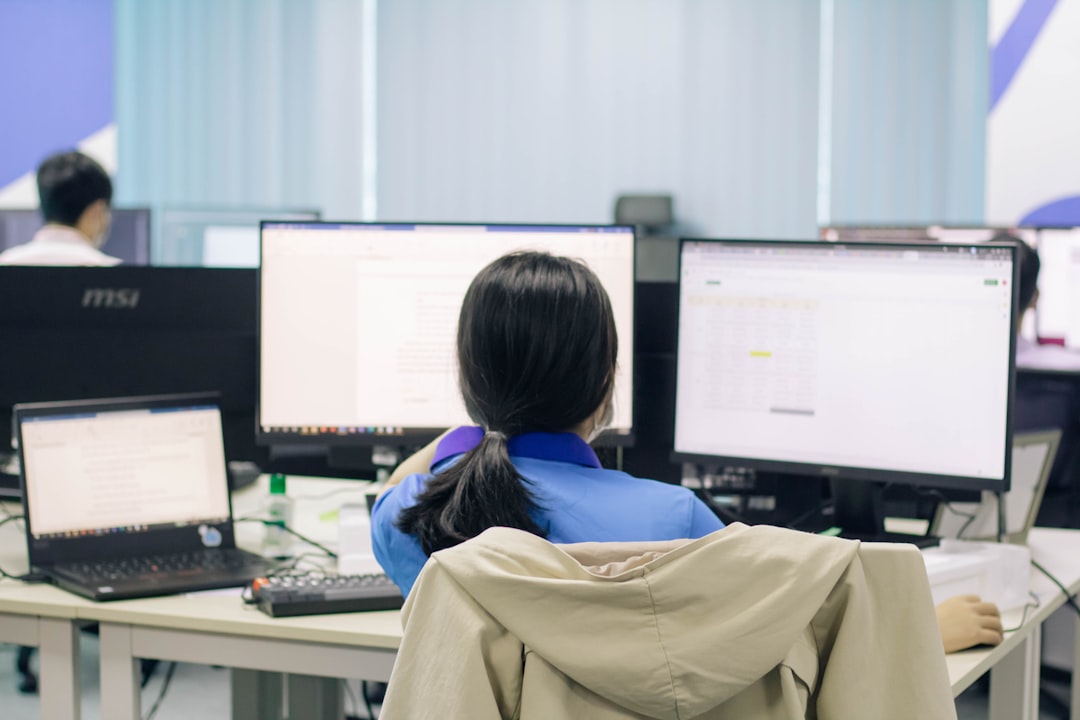
The Akamai study, which surveyed thousands of remote workers across various sectors, highlights a growing trend: employees are not only meeting their targets but often exceeding them when given the freedom to manage their own time. This is a significant departure from the traditional office environment, where clocking in and out often dictated perceptions of productivity.
Remote work has also ushered in a new era of work-life balance. Many employees report feeling less stressed and more productive when working from home. The absence of commuting time, coupled with the flexibility to design their workdays, has allowed individuals to integrate personal responsibilities with professional obligations seamlessly.
The absence of commuting time, coupled with the flexibility to design their workdays, has allowed individuals to integrate personal responsibilities with professional obligations seamlessly.
However, this success comes with its own set of challenges. The blurred lines between work and home life can lead to burnout, as the “always-on” culture permeates through digital communication tools. Companies are now tasked with finding ways to maintain their employees’ well-being while fostering a productive environment.
Critics of remote work often cite a decline in collaboration and team cohesion as potential downsides. Yet, the Akamai report suggests that productivity gains can offset these concerns when managed correctly. Teams that embrace asynchronous communication tools and prioritize outcomes over hours logged can still foster a collaborative spirit, even from a distance.
Moreover, the study underscores the importance of digital skills in this evolving landscape. As remote work becomes more entrenched, employees must adapt to new technologies and collaborative platforms to remain effective. Upskilling and reskilling initiatives will be crucial for organizations looking to navigate this new terrain.
In light of these findings, it’s essential to consider how companies can leverage this momentum. Organizations might explore implementing hybrid work models that combine the best of both worlds—offering flexibility while ensuring team members remain connected and engaged.
As businesses look ahead, they should also prioritize cultivating a culture of trust and transparency. Allowing employees the freedom to choose where and how they work can lead to increased job satisfaction and loyalty. When workers feel valued and trusted, they are more likely to invest their energy into their roles.
As remote work becomes more entrenched, employees must adapt to new technologies and collaborative platforms to remain effective.
The implications are profound. As we move deeper into the digital age, companies that embrace this new paradigm may find themselves at a competitive advantage. The future of work is not just about where we work, but how we work. With the right balance of autonomy and support, organizations can unlock the potential of their remote workforce.
Looking forward, the challenge will be to sustain productivity while ensuring employee well-being. Companies must remain vigilant in their approaches, ready to adapt and evolve as the landscape continues to shift. The path ahead is not without obstacles, but for those willing to embrace change, the rewards can be significant.
Written by Career Ahead AI. AI can make mistakes, so verify key facts. Report errors to support@careeraheadonline.com.