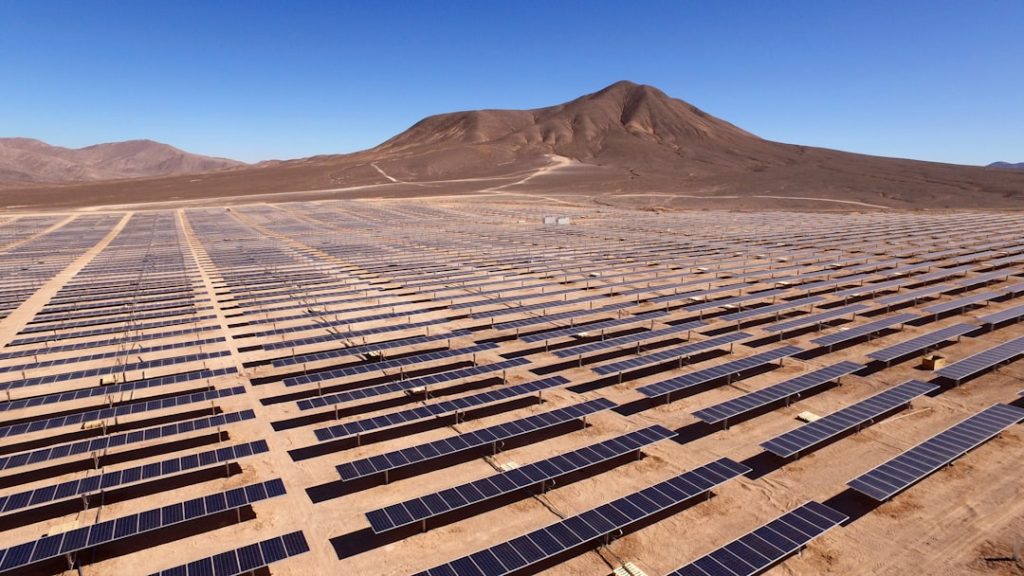
London, United Kingdom — In a historic shift, renewable energy sources have surpassed coal in global power generation for the first time, according to the latest data released by the international Energy Agency (IEA). This pivotal moment in the energy sector signals a potential turning point in the global fight against climate change.
In 2025, renewable energy accounted for 40% of the world’s electricity generation, eclipsing coal’s share of 36%[1]. This achievement comes as countries like China and the United States accelerate their investments in wind and solar technologies, amid growing concerns over air pollution and carbon emissions.

The transition to renewable energy has been fueled by a combination of technological advancements, government policies, and shifting consumer preferences. Solar and wind power are not only becoming more cost-effective, but they are also gaining public support as individuals and organizations prioritize sustainability. The IEA noted that solar power alone contributed to 1,500 terawatt-hours (TWh) of electricity generation, a remarkable increase from previous years[2].
This achievement comes as countries like China and the United States accelerate their investments in wind and solar technologies, amid growing concerns over air pollution and carbon emissions.
China remains the largest producer of renewable energy, generating over 50% of the world’s solar power. The country’s efforts to curb pollution and reduce dependence on fossil fuels have propelled its renewable sector forward. In 2023, China invested approximately $100 billion in renewable energy infrastructure, underscoring its commitment to a cleaner energy future[3].
Meanwhile, the United States is also making significant strides. The Inflation Reduction Act, enacted in 2022, has spurred a wave of investments in clean energy technologies, aiming to cut greenhouse gas emissions by 40% by 2030[4]. As a result, the U.S. saw a 20% increase in renewable energy generation from 2021 to 2025, with wind power alone accounting for 10% of the national grid.
However, challenges remain. While the transition to renewables is accelerating, the infrastructure required to support this shift is lagging. Energy storage technology, essential for balancing supply and demand, is still in development, and many countries must enhance their grid systems to accommodate the influx of renewable sources. Moreover, the job market is also facing a transformation. As coal jobs decline, new opportunities in solar and wind sectors are emerging, creating a demand for skilled workers in these fields.
According to the International Renewable Energy Agency (IRENA), the global renewable energy workforce reached 12 million in 2025, up from 11.5 million in 2023. This growth reflects the increasing need for engineers, technicians, and project managers within the renewable sector[5].
In summary, the surpassing of coal by renewables in global power generation marks both an achievement and a challenge. As nations forge ahead in their commitment to renewable energy, the focus must also shift to addressing infrastructure needs and workforce development. The future of energy lies in our ability to adapt and innovate, ensuring a sustainable and clean energy landscape for generations to come.
Written by Career Ahead AI. AI can make mistakes, so verify key facts. Report errors to support@careeraheadonline.com.