India’s retail inflation rose to 4.8% in August 2026, driven by rising oil prices, prompting discussions on potential monetary policy changes by the Reserve Bank of India.
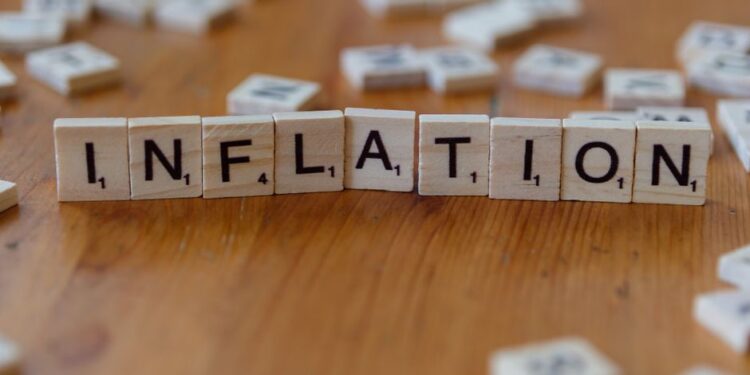
India’s retail inflation rose to 4.8% in August 2026, up from 4.5% in July. This increase, mainly due to rising oil prices, has led economists to discuss possible changes in monetary policy by the Reserve Bank of India (RBI). The current inflation rate is still within the RBI’s target range of 2-6%. However, analysts are watching closely as global oil prices keep rising.
The Consumer Price Index (CPI) data from the National Statistics Office shows that inflation has been rising for nine months. Non-core components, especially food and fuel, have seen significant increases. The food and beverage segment, which makes up about 37% of the CPI, jumped to 5.7% from 5.3% last month. This rise in food prices is concerning as it directly impacts consumers’ purchasing power, especially for those with lower incomes.
Oil Prices and Their Impact on Inflation
Recent geopolitical tensions in West Asia have greatly affected oil prices. International crude prices recently crossed $100 per barrel, reaching $108.76. This raises concerns about future inflation rates in India. The RBI warns that sustained high oil prices could push inflation beyond acceptable levels, leading to higher consumer prices and changing spending patterns. A report from the Hindustan Times states that rising oil prices are a global issue, influenced by supply chain disruptions and geopolitical conflicts, affecting various sectors of the economy.
Career Ahead’s analysis shows that the link between oil prices and inflation is crucial for analysts and policymakers. Rising oil prices increase the costs of goods and services, which can reduce consumer spending. This creates a cycle where high inflation leads to slower economic growth, complicating monetary policy for the RBI. The Times of India notes that higher oil prices raise transportation and logistics costs, further increasing the prices of everyday goods and worsening inflationary pressures on consumers.
Career Ahead’s analysis shows that the link between oil prices and inflation is crucial for analysts and policymakers.
The Reserve Bank of India warns that geopolitical tensions and cyber threats could trigger the next financial crisis, urging financial analysts and risk managers to…
According to Soumya Kanti Ghosh, Chief Economist at the State Bank of India, the RBI may need to raise rates twice in the coming months to combat inflation. If oil prices stay high, inflation could rise to around 6.5% or more soon. This is important for financial analysts who need to adjust their forecasts. Additionally, the wholesale price index (WPI) rose to 9.9% in August from 9.8% in July. The WPI’s fuel and power segment saw inflation of 22.9%, indicating rising costs across the supply chain, which could worsen retail inflation.
Implications for Economic Policy
The rise in retail inflation is significant for India’s economic policy. As inflation approaches the upper limit of the RBI’s target range, the central bank faces pressure to act. The RBI’s Monetary Policy Committee (MPC) will likely consider these inflation trends in upcoming meetings, especially in October and December. Analysts should prepare for possible changes in monetary policy, including interest rate hikes. Historically, central banks raise rates to stabilize prices when inflation rises, impacting borrowing costs and consumer spending. This relationship is crucial for retail economists forecasting consumer behavior amid changing monetary policy.
Policymakers must also consider the wider economic implications of rising inflation. High inflation can reduce consumer purchasing power, leading to lower demand for goods and services. This could slow economic growth, which concerns both policymakers and analysts forecasting economic trends. The BBC News highlights that sustained inflation can lower consumer confidence, dampening economic activity and investment in the country.
Career Ahead’s research shows that the link between oil prices and inflation is not just a short-term issue. It reflects deeper vulnerabilities in the economy that need addressing. Analysts should closely monitor global oil market developments, as these will directly affect domestic inflation and economic stability. As the RBI prepares for its next policy meeting, its decisions will be vital in shaping the economic landscape. Potential rate hikes could signal a shift in how the RBI manages inflation, especially amid external pressures from global markets.
The current inflation dynamics emphasize the need for vigilance among analysts and policymakers. Understanding the factors driving inflation is essential for making informed decisions that impact the economy’s future. Looking ahead, the key question is: How will the RBI respond to these inflationary pressures, and what will be the impact on consumer behavior and economic growth in the coming months? As analysts and policymakers face these challenges, their decisions will affect various sectors of the economy.
RBI Governor Sanjay Malhotra emphasizes the bank's support for blockchain technology while expressing caution regarding cryptocurrencies due to their potential impact on monetary policy.
Analysts should closely monitor global oil market developments, as these will directly affect domestic inflation and economic stability.
Frequently Asked Questions
What are the implications of 4.8% inflation for financial analysts?
Career Ahead’s analysis shows that financial analysts must adjust their forecasts for rising inflation, especially regarding consumer spending. They should consider the potential for higher interest rates, which could affect borrowing costs and overall economic growth.
How does rising inflation affect retail economists’ forecasts?
Rising inflation complicates retail economists’ forecasts by adding uncertainty to consumer behavior. As prices rise, consumers may cut back on spending, leading to lower sales and revenue projections for businesses.
What should policymakers consider in response to rising inflation rates?
Policymakers should consider the need for monetary policy changes, like interest rate hikes, to combat inflation. They must also assess the broader economic effects of rising prices on consumer purchasing power and economic growth.



 Government & Policy
Government & Policy