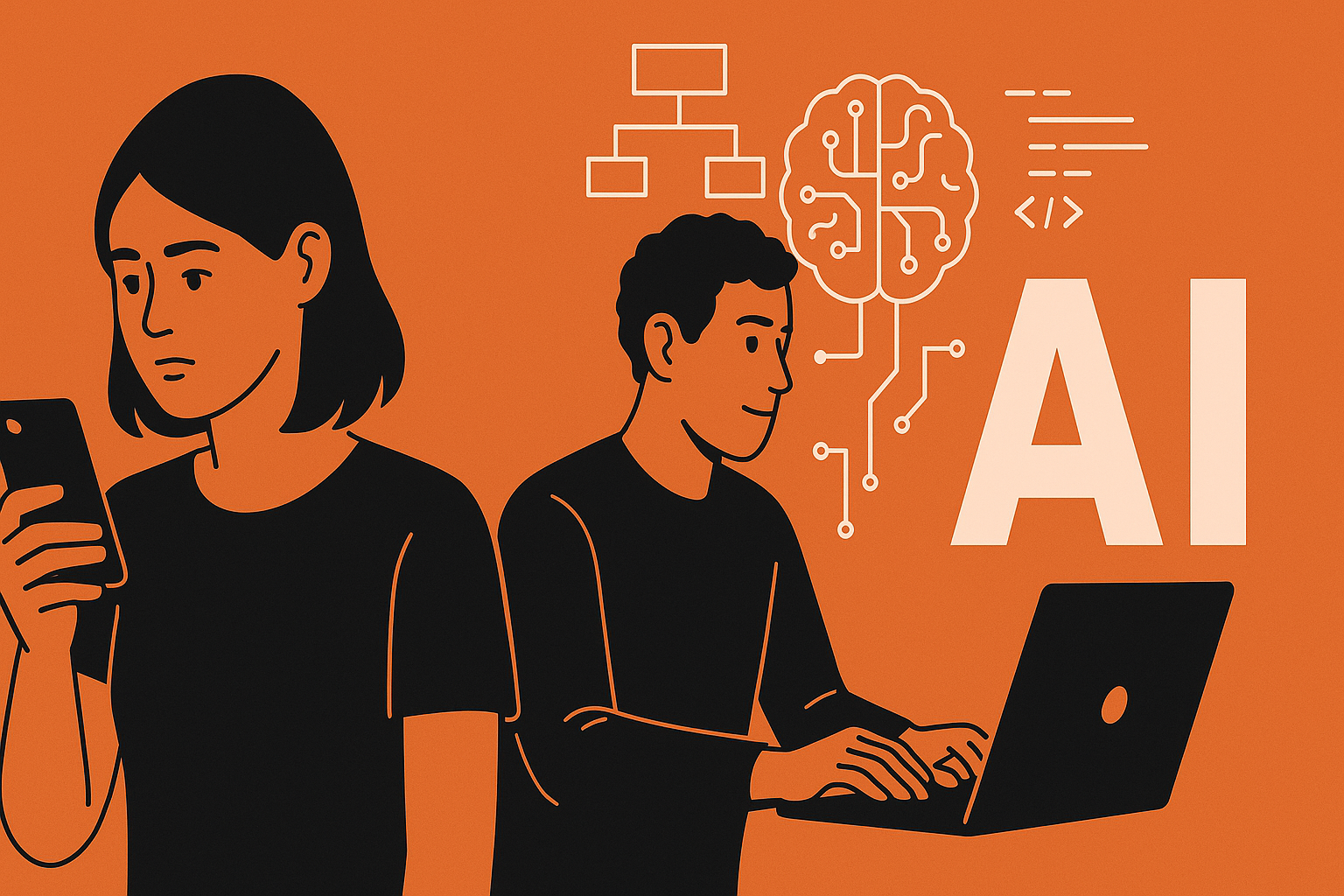
Hyderabad, India — The future of work is calling for a new breed of graduates, equipped with skills that extend beyond traditional academic learning. As industries rapidly evolve due to technological advances and shifting market demands, educational institutions are under pressure to prepare students for a workforce that increasingly values adaptability and practical experience over rote knowledge.
This shift is essential not just for individual career trajectories but also for economic resilience. According to the World Economic Forum, by 2025, 85 million jobs may be displaced by a shift in labor between humans and machines, while 97 million new roles may emerge that are more suited to the new division of labor between humans, machines, and algorithms [1]. This statistic underscores the urgency for educational reform.

As of 2025, the cost of higher education has surged, with average student debt in the U.S. exceeding $30,000 per borrower [2]. This financial burden has led to increased scrutiny of the value proposition offered by colleges and universities. Are graduates entering a saturated job market prepared for the demands they’ll face? The answer often points to a gap in essential skills, such as digital literacy, critical thinking, and emotional intelligence.
Historically, higher education has focused on delivering a standardized curriculum that emphasizes theoretical knowledge. However, leading institutions are beginning to pivot towards experiential learning models that prioritize real-world applications. Universities like Stanford and MIT have integrated innovation hubs and startup incubators to facilitate hands-on learning, allowing students to engage with industry professionals and gain practical skills that enhance employability.
Universities like Stanford and MIT have integrated innovation hubs and startup incubators to facilitate hands-on learning, allowing students to engage with industry professionals and gain practical skills that enhance employability.
Moreover, the rise of remote work has further complicated career preparation. A survey by Gartner revealed that 88% of organizations worldwide mandated or encouraged employees to work from home during the COVID-19 pandemic, a trend that has continued into 2025 [3]. Graduates must now be adept at technologies that facilitate remote collaboration, such as cloud computing, project management software, and virtual communication tools.
Industry leaders are echoing this sentiment. Satya Nadella, CEO of Microsoft, emphasizes the need for a workforce that is digitally literate and adaptable. In a recent interview, he stated, “The future will be defined by those who can leverage technology to solve complex problems” [4]. This expectation places responsibility on educational institutions to ensure that curricula remain relevant and forward-looking.
Employers are increasingly prioritizing candidates who demonstrate a blend of technical skills and soft skills. A LinkedIn report shows that 92% of talent professionals believe that soft skills are just as important as hard skills for job success [5]. This demands that universities not only teach students how to perform technical tasks but also how to communicate effectively, work collaboratively, and think critically.
Looking ahead, universities must embrace partnerships with industries to create curricula that reflect real-world needs. Internships, co-op programs, and mentorship opportunities should be expanded to bridge the gap between education and employment. Such initiatives not only enhance student learning experiences but also provide employers with a pipeline of talent that is ready to meet the demands of the future.
A LinkedIn report shows that 92% of talent professionals believe that soft skills are just as important as hard skills for job success [5].
As we stand on the brink of this new era, the question remains: Will higher education adapt quickly enough to meet the demands of a rapidly changing job market? The answer to this question could determine the success of countless graduates and the overall health of the global economy.
Written by Career Ahead AI. AI can make mistakes, so verify key facts. Report errors to support@careeraheadonline.com.