No products in the cart.

Rethinking Mentorship: Exploring Alternative Models for Career Growth
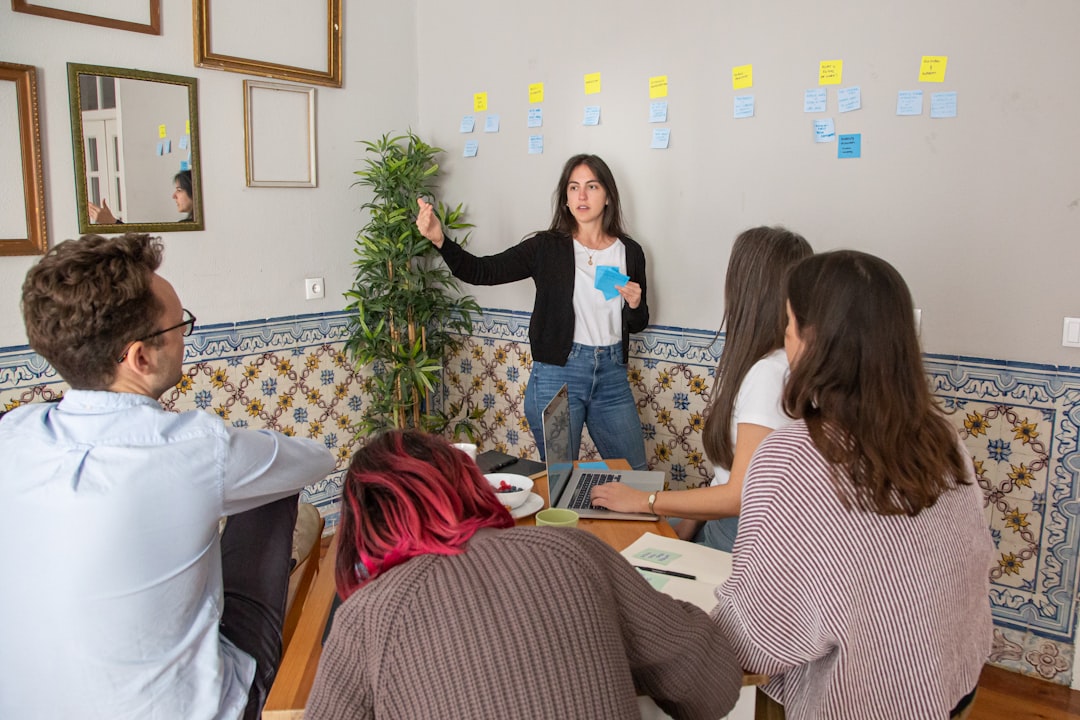
Mentorship is not a one-size-fits-all solution. Explore alternative models that may provide equal or greater value in career development.

The traditional model of mentorship, where a single senior figure guides a junior employee, is under scrutiny. In a rapidly evolving workplace, many are questioning whether this hierarchical structure is still effective. New research suggests that alternative models like peer mentoring, mastermind groups, and advisory networks can offer similar or even superior value for career growth.
Recent studies indicate that mentorship often fails to meet the diverse needs of modern employees. A 2023 report from the Association for Talent Development found that while 75% of professionals consider mentorship beneficial, only 30% feel it has positively impacted their career trajectory[1]. This disparity raises important questions about the effectiveness of traditional mentorship in today’s dynamic work environments.

In contrast, peer mentoring has gained traction as a powerful alternative. A study published in the Journal of Applied Psychology reveals that peer mentorship fosters a collaborative learning atmosphere, enhancing problem-solving skills and boosting morale among participants[2]. Unlike traditional mentorship, which can sometimes be overshadowed by power dynamics, peer mentoring encourages mutual support and shared accountability.
 Artificial Intelligence
Elon Musk’s AI Warning: Preparing for Future Challenges
Elon Musk's latest comments on AI's impact highlight potential challenges for project management and the workforce.
Read More →Moreover, mastermind groups—small assemblies of individuals who meet regularly to share challenges, insights, and encouragement—are emerging as another compelling model. According to a 2022 survey by the International Coach Federation, 85% of respondents reported that mastermind groups significantly contributed to their professional development[3]. These groups provide a platform for diverse perspectives, enabling members to tackle their goals collectively.
A study published in the Journal of Applied Psychology reveals that peer mentorship fosters a collaborative learning atmosphere, enhancing problem-solving skills and boosting morale among participants[2].
Advisory networks represent yet another innovative approach. These networks consist of a broader array of professionals, often including individuals from different industries and expertise levels. This diversity can lead to richer discussions and more holistic solutions to challenges. Research from the Harvard Business Review suggests that companies leveraging advisory networks see a 32% increase in innovation outputs compared to those relying solely on traditional mentorship[4]. This underscores the potential for varied experiences to drive creativity and adaptability in professional settings.
However, these alternative models are not without challenges. For peer mentoring to be effective, participants must be willing to engage openly and commit time to build relationships. Similarly, mastermind groups require a level of trust and vulnerability that can be difficult to establish. Organizations must create environments that support these dynamics, ensuring that employees feel safe sharing their challenges and aspirations.
Furthermore, advisory networks can become unwieldy if not managed properly. Companies must implement clear structures and guidelines to maintain focus and productivity within these groups. Without proper facilitation, discussions can drift, and the original objectives may be lost.
 Business
Navigating Growth: The Impact of Interest Rate Changes on Small Businesses
As interest rates shift, small businesses face new challenges and opportunities. Discover strategies to navigate these changes in 2025.
Read More →As organizations continue to adapt to changing workforce dynamics, the need for flexible, inclusive career development options has never been more critical. Companies like Google and Microsoft are already experimenting with these alternative mentoring models, recognizing that a one-size-fits-all approach no longer suffices. Google’s g2g (Googler-to-Googler) program, for instance, encourages employees to mentor each other across teams, fostering a culture of continuous learning and collaboration.
In a world where career paths can shift dramatically overnight due to technological advancements and market trends, it is essential for professionals to cultivate diverse networks. The flexibility of alternative models allows individuals to seek guidance from multiple sources, empowering them to take charge of their career trajectories.
As organizations continue to adapt to changing workforce dynamics, the need for flexible, inclusive career development options has never been more critical.
Ultimately, the evolution of mentorship reflects broader changes in workplace culture. As organizations prioritize employee engagement and retention, they must embrace innovative approaches that resonate with the needs of today’s professionals. By fostering environments that support peer mentoring, mastermind groups, and advisory networks, companies can better equip their employees to navigate the complexities of their careers.
 Career Development
The Digital Language Boom: Transforming Careers Through AI Translation
AI translation technology is revolutionizing communication, impacting your career opportunities in significant ways.
Read More →Employers and employees alike should recognize that the future of career development lies in collaboration, diversity, and shared knowledge. As the workplace continues to evolve, those who adapt to these new models will likely find themselves ahead of the curve, equipped with the insights and support necessary to thrive.