No products in the cart.

Robotaxis Revolutionize Nevada: Tesla, Uber, Waymo Compete

Nevada's approval for Tesla, Uber, and Waymo to operate up to 8,000 robotaxis marks a significant shift in the transportation landscape, with implications for job markets and regulatory frameworks across the nation.

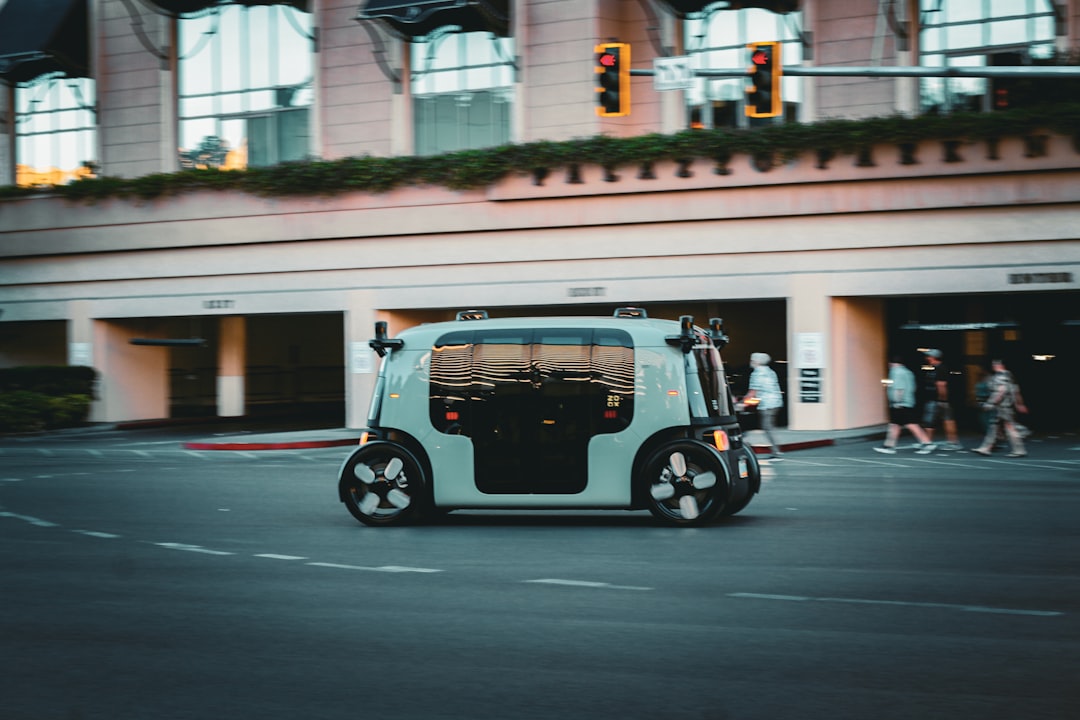
Nevada has taken a major step in the realm of autonomous vehicles by approving permits for Tesla, Uber, and Waymo to operate up to 8,000 robotaxis in Clark County. This decision, made by the Nevada Transportation Authority, allows the companies to deploy these vehicles over the next year, with Tesla permitted to operate up to 5,000, while both Uber and Waymo can deploy 1,000 each. This approval marks a pivotal moment not just for the companies involved but for the entire transportation landscape in the region.
The decision is significant as it positions Las Vegas, a city known for its bustling tourism and transportation needs, as a potential hub for robotaxi services. The deployment of these vehicles is expected to reshape how residents and visitors navigate the city, creating new dynamics in both the job market and regulatory environment. As these companies prepare for rollout, the implications for transportation engineers and policy analysts cannot be overstated.
Impact on Transportation Dynamics
The approval of robotaxi operations in Nevada is set to transform the transportation landscape significantly. With up to 8,000 robotaxis potentially hitting the roads, the demand for expertise in autonomous vehicle systems will surge. Engineers specializing in robotics, machine learning, and vehicle systems will be essential to support this rapidly expanding sector. As companies like Tesla and Waymo scale their operations, they will seek professionals who can ensure the vehicles operate safely and efficiently.
This large-scale deployment will also require robust infrastructure to support maintenance, charging, and operational logistics for the robotaxis. Engineers will need to focus on developing systems that can handle the increased demand for vehicle upkeep and energy supply. This shift will likely lead to a rise in job openings specifically tailored to these new operational needs, which will require a blend of traditional engineering skills and innovative problem-solving capabilities.
This shift will likely lead to a rise in job openings specifically tailored to these new operational needs, which will require a blend of traditional engineering skills and innovative problem-solving capabilities.
You may also like
 Industry & Global Trends
UK Economy Strengthens with Rising Services and Consumer Confidence
Despite a decline in retail sales, the UK economy shows resilience with a growing service sector and increasing consumer confidence, indicating a potential shift in…
Read More →Challenges for Existing Transportation Workers
However, the transition to robotaxi services is not without its challenges. Local taxi companies and ride-hailing services have expressed concerns about the potential oversaturation of the market and the impact on human drivers. The Livery Operators Association has raised alarms about the implications for existing transportation workers, highlighting a potential job displacement crisis. This conflict underscores the need for transportation policy analysts to navigate the evolving regulatory landscape and advocate for balanced solutions that address both innovation and workforce stability.
The deployment of these robotaxis is expected to create a competitive environment, which may lead to lower fares but also raises concerns about the sustainability of traditional taxi services. Policymakers will need to establish guidelines that ensure public safety while fostering innovation, creating opportunities for transportation policy analysts to engage with local governments and industry stakeholders.
Career Opportunities in the Autonomous Vehicle Sector
The rollout of robotaxis in Nevada presents unique career implications for transportation professionals.
The rollout of robotaxis in Nevada presents unique career implications for transportation professionals. Engineers working in the field of autonomous vehicles will need to adapt quickly to the new demands of this market. This includes developing skills in data analysis, vehicle-to-everything (V2X) communication, and real-time systems management. The integration of these technologies will be crucial for the smooth operation of robotaxi services.
You may also like
 Industry & Global Trends
Derivatives Trader Base Declines for First Time | Career Outlook
India's derivatives trader base fell by 19% in fiscal year 2026, marking the first decline in four years, according to a recent study by the…
Read More →Moreover, the partnership dynamics among Tesla, Uber, and Waymo will influence employment trends in the sector. For instance, Uber’s collaboration with Hyundai’s Motional and Zoox indicates a shift towards hybrid operational models that combine human drivers with autonomous vehicles. This hybrid approach may lead to new roles focused on integrating human and robotic services, requiring workers who can bridge the gap between traditional and automated systems.
Preparing for Future Transportation Trends
As robotaxi services become more prevalent, policy analysts will need to assess the implications of these technologies on urban infrastructure and public safety. This role will involve continuous engagement with regulatory bodies to ensure that the deployment of robotaxis aligns with community needs and safety standards. The anticipated job creation in the autonomous vehicle sector may offset some of the job losses experienced by traditional drivers. However, the transition will require workers to upskill and adapt to new roles that may not yet exist.
Engineers should focus on enhancing their skills in data analysis, vehicle-to-everything (V2X) communication, and real-time systems management.
As the landscape of transportation continues to evolve, professionals in both engineering and policy will need to remain agile, adapting to new technologies and regulatory changes. The developments in Nevada may serve as a blueprint for future autonomous vehicle initiatives, making it essential for stakeholders to stay informed and engaged in this transformative period.

Frequently Asked Questions
What are the implications of robotaxi operations for autonomous vehicle engineers?
The approval of robotaxi operations in Nevada will increase demand for engineers with expertise in autonomous vehicle systems. Engineers will need to focus on developing innovative solutions for vehicle maintenance, charging infrastructure, and safety protocols.
How can transportation policy analysts prepare for changes in regulations regarding autonomous vehicles?
You may also like
 Industry & Global Trends
Keystone XL Pipeline Revival Boosts Oil Jobs, Energy Policy
The potential revival of the Keystone XL pipeline, driven by a new Canada-US trade deal, may create significant job opportunities in the oil sector. This…
Read More →Transportation policy analysts can prepare by staying informed about the evolving landscape of autonomous vehicle regulations. Engaging with local governments and industry stakeholders will be crucial in shaping policies that balance innovation and public safety.
What skills should autonomous vehicle engineers develop in light of new robotaxi approvals?
Engineers should focus on enhancing their skills in data analysis, vehicle-to-everything (V2X) communication, and real-time systems management. These skills will be vital as the demand for sophisticated autonomous vehicle technologies grows.