The solar power plant, developed by SAEL Solar MHP1 Pvt Ltd and SAEL Solar MHP2 Pvt Ltd, spans over 2,400 acres. According to reports, the new facility will help reduce carbon emissions by approximately 11 lakh tonnes annually. The launch of this solar power plant is a pivotal moment for SAEL Industries and the broader…
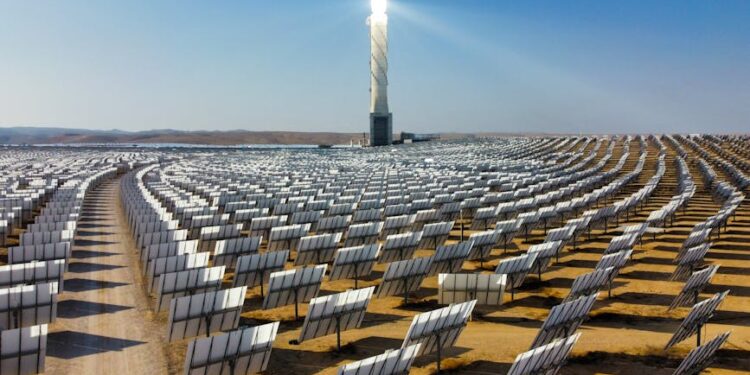
Kurnool, India — SAEL Industries has officially launched operations at a new 600-megawatt solar power plant in Andhra Pradesh. This significant project is expected to boost the renewable energy capacity in India while contributing to the country’s sustainability goals. The plant will supply solar power directly to the national grid, marking a notable achievement in the region’s energy landscape.
The solar power plant, developed by SAEL Solar MHP1 Pvt Ltd and SAEL Solar MHP2 Pvt Ltd, spans over 2,400 acres. It comprises two units of 300 MW each, which will operate under a 25-year power purchase agreement (PPA) with the Solar Energy Corporation of India (SECI). This agreement ensures long-term revenue stability for SAEL Industries, allowing them to focus on expanding their renewable energy initiatives.
According to reports, the new facility will help reduce carbon emissions by approximately 11 lakh tonnes annually. This reduction is crucial as India strives to meet its climate commitments and transition towards a greener economy. The project employs over 12 lakh TOPCon bifacial solar modules, which are assembled at SAEL’s manufacturing facilities located in Punjab and Rajasthan.
Significance of the Kurnool Solar Plant
The launch of this solar power plant is a pivotal moment for SAEL Industries and the broader renewable energy sector in India. As the country grapples with increasing energy demands, projects like this provide a sustainable solution. The Kurnool plant not only enhances energy security but also aligns with India’s vision of achieving a significant share of renewable energy in its overall energy mix. Laxit Awla, CEO & Executive Director of SAEL Industries, emphasized the challenges faced during the project’s execution. He stated, “Kurnool’s terrain tested our execution capabilities in Andhra Pradesh. Despite weather conditions, our teams delivered these 600 MW projects, reflecting our team’s focused approach and planning.” This commitment to overcoming obstacles showcases the company’s dedication to advancing renewable energy.
This reduction is crucial as India strives to meet its climate commitments and transition towards a greener economy.
Moreover, the project contributes to job creation in the region. As the plant becomes operational, it will generate employment opportunities, not only in construction but also in ongoing maintenance and operations. This aspect is vital for local economies, particularly in areas where job opportunities may be limited. The Economic Times highlights that the plant’s operationalization follows the commissioning of the 1 GWp Khavda project in Gujarat, which has pushed SAEL’s total operational capacity beyond 2.5 GWp, indicating a robust growth trajectory for the company.
Wider Implications for Renewable Energy in India
The establishment of the Kurnool solar power plant reflects the growing trend of renewable energy investments in India. As the country aims to achieve 500 GW of renewable energy capacity by 2030, projects like this are essential. They not only contribute to meeting energy targets but also help in reducing reliance on fossil fuels. Furthermore, the solar power sector in India is experiencing rapid growth, driven by government policies and incentives. The commitment to renewable energy is evident in various initiatives, including the National Solar Mission, which aims to promote solar energy adoption across the country. This supportive framework encourages companies like SAEL Industries to invest in large-scale solar projects.
As renewable energy becomes increasingly cost-competitive, the market dynamics are shifting. Solar power is now one of the most affordable sources of electricity in India, making it an attractive option for both consumers and businesses. This trend is likely to continue, further accelerating the transition to a low-carbon economy. However, challenges remain. The integration of renewable energy into the existing grid infrastructure poses technical hurdles. Additionally, ensuring a stable supply of power during periods of low sunlight requires advancements in energy storage technologies. Addressing these challenges will be crucial for the long-term success of solar energy initiatives in India.
In addition to its environmental benefits, the solar power plant represents a significant investment in the region’s infrastructure. The deployment of advanced solar technology and the establishment of manufacturing facilities in Punjab and Rajasthan highlight the potential for growth in the renewable energy sector. This investment can stimulate further developments in related industries, such as energy storage and distribution.
Project Jagrook aims to combat the influence of anonymous financial advisors and so-called "finfluencers," who often provide misleading advice to unsuspecting retail investors.
Looking ahead, the Kurnool solar power plant is expected to play a vital role in shaping India’s energy future. As the country continues to invest in renewable energy, the success of this project may inspire similar initiatives across other states. The potential for scaling up solar power generation is immense, given India’s geographical advantages and abundant sunlight. Moreover, the collaboration between private companies and government entities will be essential in driving further advancements in the renewable energy sector. As seen with the PPA signed with SECI, such partnerships can provide the necessary support for large-scale projects, ensuring their viability and success.
Addressing these challenges will be crucial for the long-term success of solar energy initiatives in India.
In conclusion, the launch of the 600-MW solar power plant by SAEL Industries marks a significant milestone in India’s renewable energy journey. It not only contributes to reducing carbon emissions but also enhances energy security and creates job opportunities. As the country moves towards a sustainable energy future, the implications of this project will be felt across various sectors. With the increasing focus on renewable energy, how will India balance its growing energy needs with environmental sustainability? The answer to this question will shape the future of energy in the country.



Government & Policy

 Government & Policy