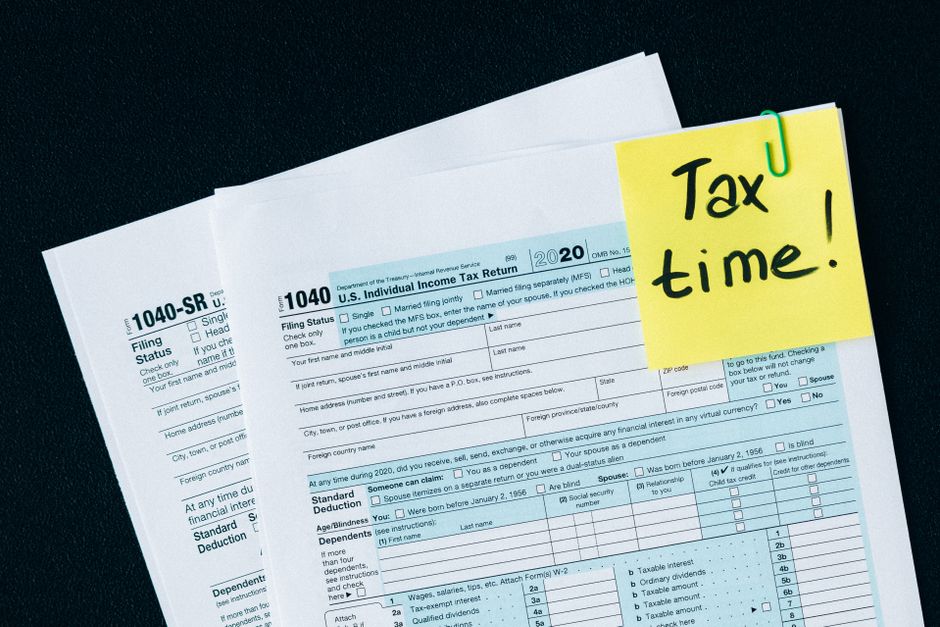
Savings tax rates rise to 24% for basic-rate taxpayers, 44% for higher-rate taxpayers and 49% for additional-rate taxpayers from 6 April.
Higher rates change the return savers need
Each savings tax rate gains an additional two percentage points. The change applies across basic-, higher- and additional-rate categories, so a taxpayer’s band determines which new rate applies to taxable savings interest. Personal savings allowances can shelter some interest before tax applies. That makes the rate on taxable interest only one part of the calculation: savers also need to know whether their interest falls within an allowance.¹²
Gross interest is the amount paid before tax. The gross return needed to keep pace with rising prices therefore has to leave enough after tax to preserve the money’s value. If inflation reaches 3.5%, a basic-rate saver needs 4.61% gross interest to retain that value. The comparable gross figures are 6.25% for a higher-rate payer and 6.86% for an additional-rate taxpayer. The higher two targets are described as impossible to find on a standard savings account.¹
Higher rates change the return savers need Each savings tax rate gains an additional two percentage points.
Allowances determine how much interest is tax-free
The tax-free personal allowance for the 2026-27 tax year is £12,570. It is separate from the personal savings allowance, which covers interest rather than other income. Basic-rate taxpayers can receive £1,000 of interest each financial year without tax, and higher-rate taxpayers can receive up to £500. Additional-rate taxpayers receive no personal savings allowance. The different limits mean that interest of the same size can have different tax consequences depending on a saver’s band.¹²
Some people on low incomes may also qualify for the starting rate for savings, which can cover up to £5,000 of interest without tax. To qualify, their other income, such as wages or a pension, has to be below £17,570 a year. This is a separate route from the personal savings allowance: the eligibility test looks at income apart from savings, and the tax-free interest limit is higher for those who meet it.¹²
 News
Report Rates Eight of Nine England Water Firms Poor or Needing Improvement
The companies earned sixteen stars out of a possible thirty-six, the lowest total since the assessment began.
Read More →A higher-rate taxpayer’s £500 personal savings allowance can be used up by £10,000 in a 5% savings account. That example shows how a balance that produces modest interest for one taxpayer can use the full tax-free allowance for another. The allowance applies to interest received during each financial year, so the relevant comparison is between expected interest and the saver’s own limit—not simply the size of the deposit.¹²
The planned cash Isa limit cut has been dropped
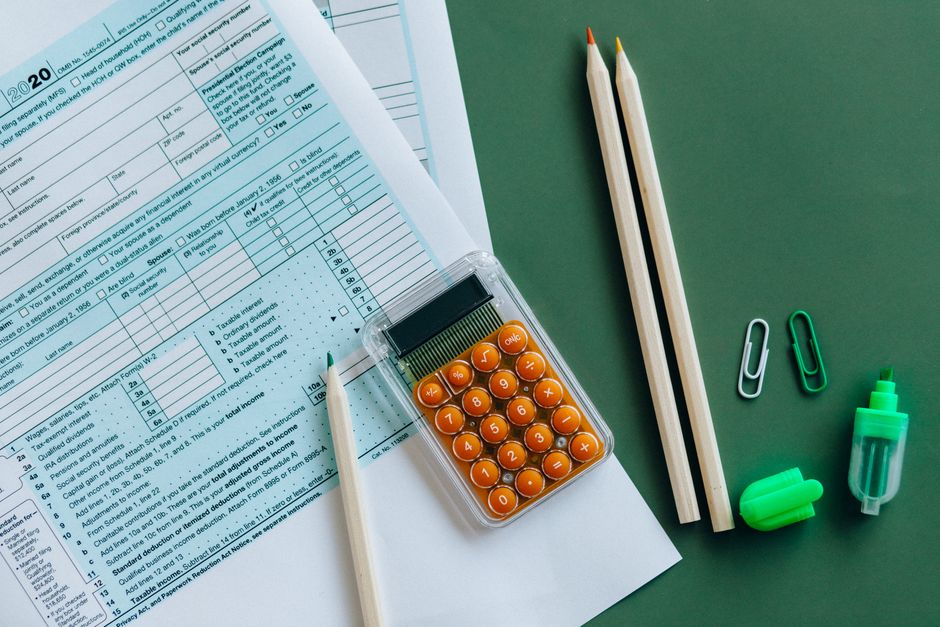
The annual cash Isa limit stays at £20,000. The proposed reduction to £12,000 for people under 65 from April 2027 has been dropped. Adults over 18 can put up to £20,000 into an Isa each tax year, so the dropped proposal leaves the stated annual cash Isa maximum unchanged. The plan to lower the limit had been intended to encourage personal investment in stocks and shares.¹²
A separate junior Isa allows contributions of up to £9,000 a year, and its returns are tax-free. The government also plans a new Starter Isa for first-time investors. For a young professional, the immediate calculation is whether savings interest sits within a personal allowance or whether the cash Isa limit offers a way to keep savings inside the stated Isa contribution ceiling. The tax-band rules make that calculation different for basic-, higher- and additional-rate taxpayers.¹²
Check Your Tax Band Before Choosing a Savings Account
If you are a higher-rate taxpayer, your personal savings allowance is only £500 a year, and a £10,000 balance in a 5% account uses it up entirely. That means the same deposit that is tax-free for a basic-rate saver becomes taxable for you. Before you pick a savings product, calculate your expected interest against your own allowance, not just the advertised rate, because the new 44% rate applies to anything above that limit.¹²
For a young professional, the immediate calculation is whether savings interest sits within a personal allowance or whether the cash Isa limit offers a way to keep savings inside the stated Isa contribution ceiling.
For basic-rate taxpayers, the £1,000 allowance still shelters a £20,000 deposit at 5%, but any interest beyond that is now taxed at 24%. If your other income is below £17,570 a year, the starting rate for savings can protect up to £5,000 of interest, which is a bigger shield than the personal allowance. Meanwhile, the cash Isa limit stays at £20,000, so moving savings into an Isa remains the clearest way to avoid the higher rates entirely.¹²
Sources
 News
AI Accounts Copy Jokes from Female Comedians
Olivia Carter’s copied joke appeared on an AI avatar account with 214,000 followers, while comedians described stolen material and Instagram’s limits.
Read More →Written by Career Ahead AI. AI can make mistakes, so verify key facts. Report errors to support@careeraheadonline.com