No products in the cart.

School Access Crisis: Long Treks, Dangerous Paths
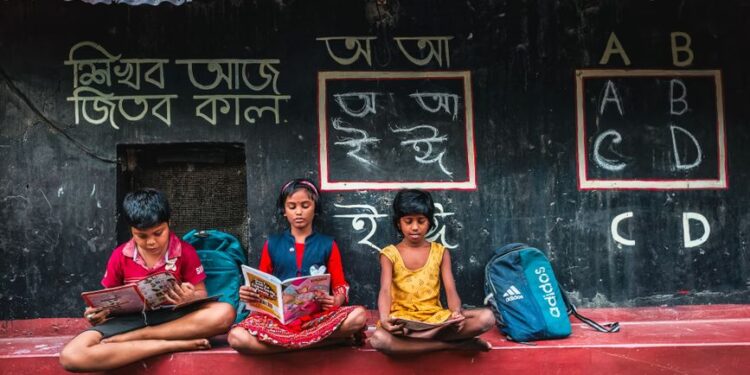
Rural students in India are facing alarming barriers to education, from long walks to dangerous crossings. Recent incidents highlight the urgent need for improved infrastructure and support.

In rural India, students face significant challenges in accessing education, often walking over 12 kilometers and navigating perilous routes to reach their schools. Recent incidents have underscored the urgent need for enhanced infrastructure and support in these remote areas.
A notable case from Odisha’s Nabarangpur district involved over 180 students from Sanatemera High School Hostel who protested against poor living conditions. Frustrated by inadequate food, overcrowded accommodations, and a lack of basic facilities, these students walked nearly 12 kilometers back home. This incident reflects a broader pattern of neglect in government-run residential schools across the country, raising serious concerns about the quality of education and living conditions.
Geographical Barriers and Student Safety
Geographical challenges significantly hinder rural students’ access to education. In Madhya Pradesh, students from Kakraua village faced a dangerous journey to school by crossing a check dam. This risky shortcut reduced their commute from 13 kilometers to just 1.5 kilometers but exposed them to life-threatening situations, especially during the monsoon season when the river current is strong and the pillars are slippery. A viral video showed students jumping across concrete pillars, sparking public outrage and highlighting local infrastructure issues. Following this incident, local authorities upgraded a middle school to a high school, but only after the dangers faced by students were made public.
In Maharashtra’s Palghar district, children crossed a fast-flowing river on a dam due to the absence of a bridge. This dangerous route, while shorter, poses significant risks to their safety. The lack of proper infrastructure forces students to take such hazardous paths, which should not be the case for any child seeking education. Many students in Uttarakhand also rely on makeshift trolleys to cross rivers, emphasizing the dire circumstances these children face. These makeshift solutions illustrate a systemic failure to provide safe and reliable transportation options for students in rural areas.
Research indicates that these geographical barriers not only endanger students but also contribute to educational inequity. When children risk their lives to attend school, it raises questions about local governments’ commitment to ensuring safe access to education. The need for improved infrastructure is urgent, and the government must prioritize safe crossings and reliable transportation systems to help all students access education, regardless of their location.
The need for improved infrastructure is urgent, and the government must prioritize safe crossings and reliable transportation systems to help all students access education, regardless of their location.
Government and Community Involvement
The local government’s role in improving school infrastructure is crucial. According to NITI Aayog, many schools in India lack basic facilities like functional toilets and electricity. Approximately 1.19 lakh schools do not have electricity, and nearly 98,592 lack functional girls’ toilets. These deficiencies create a hostile learning environment, particularly for girls, who may drop out due to inadequate facilities. The absence of basic amenities hampers education and raises hygiene and safety concerns, discouraging families from sending their children to school.
Community support is also vital in addressing these challenges. In the Nabarangpur incident, local residents and parents rallied behind the students, demonstrating the importance of community involvement in education. When parents and community members take an active role, they can advocate for better conditions and resources for schools. Some communities have organized shared vehicles or bicycle programs to help students reach school safely. However, these initiatives often rely on local resources, which can be inconsistent. A lack of stable support can leave students to navigate dangerous routes without adequate supervision.
Without a concerted effort from both the government and communities, many students will continue to face barriers to education. Addressing these issues requires a comprehensive approach that combines infrastructure improvements with community engagement. The government must collaborate with local communities to develop sustainable solutions that ensure safe access to education for all students. Raising awareness about these issues at the national level can help gather the necessary support and resources for meaningful change.
Implications for Educational Equity
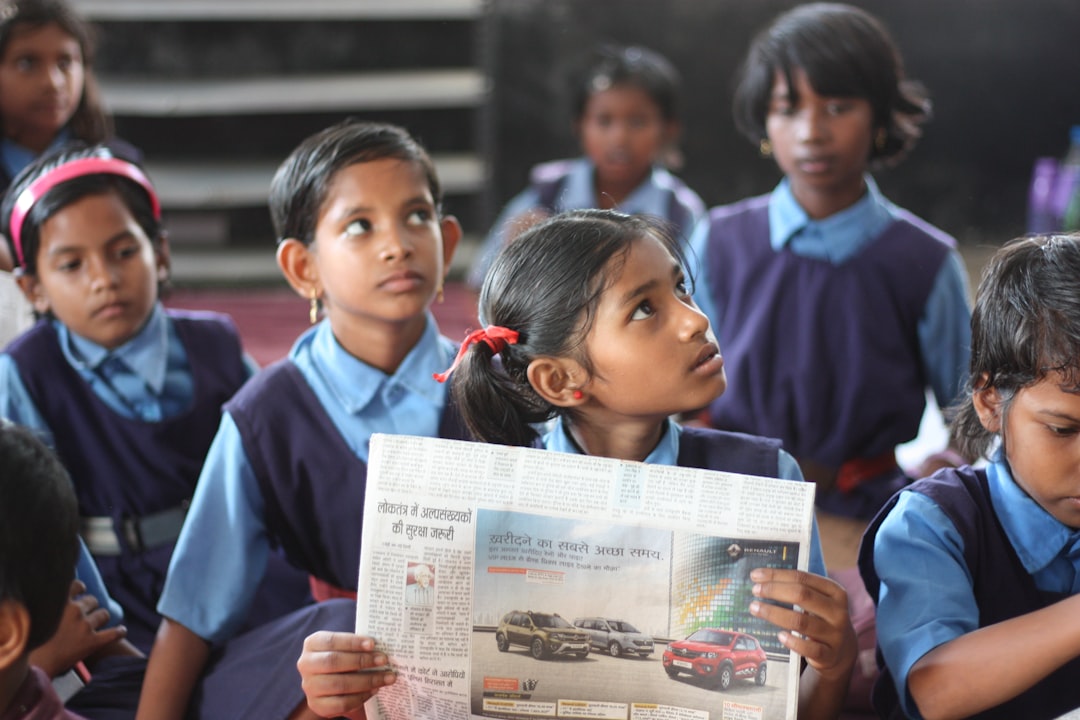
The ongoing struggles faced by rural students in India have significant implications for the future of education. Incidents of students walking long distances and crossing dangerous routes have brought national attention to the issue, prompting discussions about policy changes and funding for rural education. As the government considers these challenges, there is potential for new initiatives aimed at improving infrastructure and safety for students. Better transportation options and safe crossings could significantly reduce risks, but these changes require sustained political will and community support to be effective.
Furthermore, prioritizing educational equity is essential. Ensuring that all students, regardless of their location, have access to safe and quality education is vital for the country’s development. As awareness of these issues grows, we may see increased funding and resources allocated to rural education. Ultimately, the future of education in rural India depends on the commitment of both the government and local communities to address these pressing challenges. The question remains: will the necessary changes be made to ensure that every child can safely access education?
Frequently Asked Questions
What transportation options are available for rural students in India?
Transportation options for rural students in India vary. Some communities have shared vehicle systems or bicycle programs, while others rely on walking long distances or crossing dangerous routes to reach school.
Ensuring that all students, regardless of their location, have access to safe and quality education is vital for the country’s development.
How can educators support students facing access issues?
Educators can support students by advocating for better infrastructure and transportation options. They can also engage with the community to raise awareness about the challenges faced by students and work together to find solutions.
What initiatives are being taken to improve school access in remote areas?
Initiatives to improve school access include upgrading local schools, constructing safe crossings, and enhancing transportation options for students. Community involvement is crucial for the success of these efforts.
Written by Career Ahead AI. AI can make mistakes, so verify key facts. Report errors to support@careeraheadonline.com.