No products in the cart.

Scotland Plans Property Tax on Homes Worth Over £1 Million
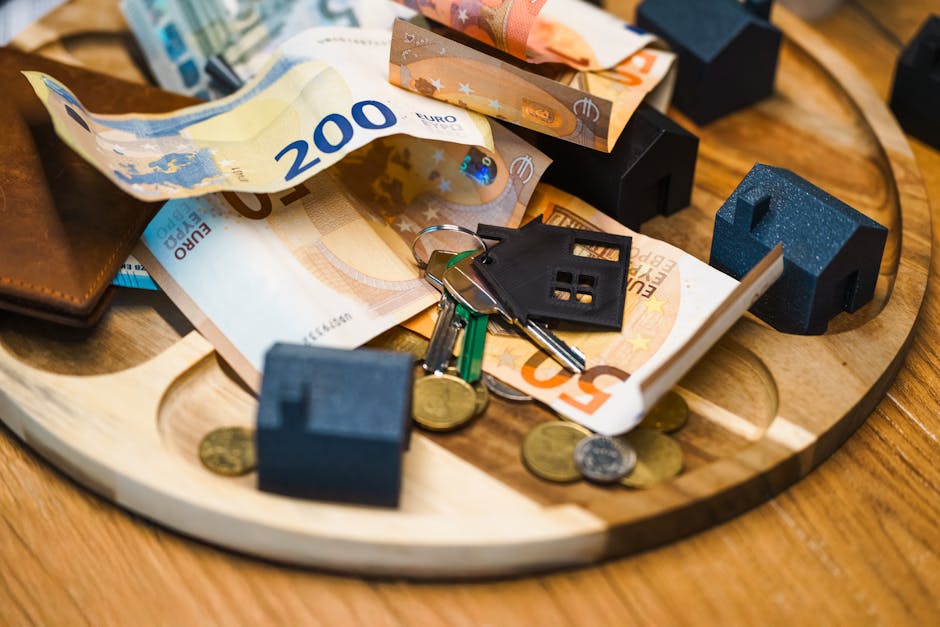
Scotland is set to introduce a new property tax targeting homes worth over £1 million, which could significantly affect wealthy homeowners and the housing market.

Edinburgh, Scotland — The Scottish government has unveiled plans to introduce a new property tax aimed at homes valued over £1 million. This initiative is part of a broader strategy to reform the tax system and address income inequality. By 2028, the government plans to create two new council tax bands specifically for the most expensive properties. This move has sparked significant discussion about its potential impact on homeowners, the housing market, and local economies.
The proposed changes come at a time when the Scottish government is also raising the income tax threshold for lower earners. This dual approach aims to alleviate some financial pressure on the less affluent while targeting wealthier individuals to contribute more to public services. As housing prices in Scotland continue to rise, the government believes that a property tax on high-value homes is a fair way to redistribute wealth and fund essential services.
According to the Scottish government, the new tax bands will apply to properties valued at over £1 million, with the aim of generating additional revenue for local councils. The move is also seen as a response to the increasing cost of living and the need for improved public services. This proposal is particularly significant given that Scotland has some of the highest property prices in the UK, especially in cities like Edinburgh and Glasgow.
As the government prepares to implement these changes, it is crucial for homeowners and potential buyers to understand the implications. The new tax could affect property values, market dynamics, and the overall affordability of housing in Scotland.
 Career Advice
Mastering Decision-Making Skills for Career Advancement
Master decision-making to advance your career. Explore effective strategies and frameworks for better choices in the workplace.
Read More →Impact of the New Property Tax on Homeowners
The introduction of a property tax for homes valued over £1 million will have varied implications for homeowners across Scotland. For wealthy individuals, this tax could mean a significant increase in their annual expenses. Homeowners in cities like Edinburgh, where property values have soared, may find themselves facing higher tax bills, which could influence their decisions about buying, selling, or renovating their homes.
As the government prepares to implement these changes, it is crucial for homeowners and potential buyers to understand the implications.
Moreover, the new tax could deter potential buyers from investing in high-value properties. If prospective homeowners anticipate higher taxes, they may reconsider their investment strategies. This could lead to a slowdown in the luxury housing market, affecting not only buyers but also sellers who may struggle to find interested parties willing to pay the new tax burden.
On the other hand, the revenue generated from this tax could be beneficial for local communities. The funds could be allocated to improve public services, infrastructure, and social programs, potentially enhancing the quality of life for residents. However, the question remains whether the benefits will outweigh the financial burden placed on affluent homeowners.
Additionally, the new tax structure may prompt some homeowners to reassess their property holdings. Wealthy individuals may seek to downsize or relocate to areas with lower property values to mitigate their tax liabilities. This could lead to a shift in the housing market, with increased demand for mid-range properties as affluent buyers look for alternatives.
 AI
AIThe Backbone of AI: Why Data Engineering Matters
As AI continues to evolve, data engineering emerges as a crucial field driving innovation and job opportunities. Learn why this…
Read More →Strategies for Homeowners Facing New Taxation
As the Scottish government moves forward with its plans to introduce a property tax on homes worth over £1 million, homeowners should consider several strategies to navigate this new landscape effectively.
- Evaluate your property value: Homeowners should regularly assess the market value of their properties. Understanding how your home compares to others in the area can help you make informed decisions about selling or refinancing.
- Consult with tax professionals: Engaging with tax advisors can provide clarity on how the new tax will impact your finances. They can offer personalized strategies to minimize your tax burden and optimize your financial situation.
- Consider property investments: If you own high-value properties, explore diversification options. Investing in different types of real estate or alternative assets may help offset the financial impact of the new tax.
- Stay informed about policy changes: Keeping up with government announcements and policy changes will allow you to adapt quickly. Understanding the nuances of the new tax structure can help you navigate potential challenges more effectively.
However, some experts caution that this approach may not be sustainable in the long run. Critics argue that imposing higher taxes on wealthy homeowners could lead to a decrease in property investments, ultimately stunting economic growth. According to a report from the Institute for Fiscal Studies, there is a risk that such tax measures could discourage high-net-worth individuals from residing in Scotland, which may have negative repercussions for the local economy.
Consult with tax professionals: Engaging with tax advisors can provide clarity on how the new tax will impact your finances.
The Future of Property Ownership in Scotland
Looking ahead, the introduction of a property tax on homes worth over £1 million could reshape the landscape of property ownership in Scotland. As the government implements these changes, it will be essential to monitor their effects on the housing market and local economies.

In particular, the impact on luxury properties will be closely watched. If the tax leads to a significant decline in demand, it could result in a shift in pricing strategies among sellers. Conversely, if the revenue generated is effectively utilized for public services, it might enhance community support for such taxation in the future.
 Design And Fashion
The Future of Self-Expression: Fashion Meets Technology
Explore the dynamic intersection of fashion and technology in shaping identity. Discover how hybrid culture influences self-expression today.
Read More →As the situation evolves, homeowners and potential buyers should remain proactive in their financial planning. How will you adapt to the changing property tax landscape in Scotland? Will you consider moving, investing differently, or engaging with local policymakers to voice your concerns?