No products in the cart.

SK Hynix Eyes Intel’s Ohio Factory for AI Memory Production
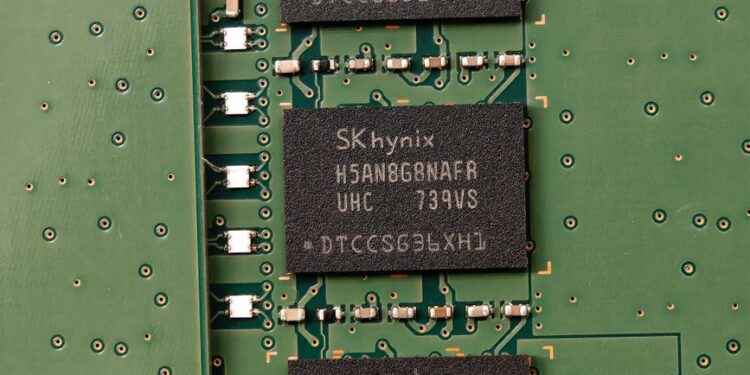
As AI technologies continue to evolve, the need for high-bandwidth memory (HBM) is becoming increasingly critical. HBM is essential for handling the vast amounts of data processed by AI systems, particularly in data centers. With the AI boom driving a surge in memory chip demand, SK Hynix's potential collaboration with Intel could reshape the US semiconductor landscape.

South Korea’s SK Hynix is in talks with Intel about using its Ohio factory to make AI memory chips. This comes as demand for advanced memory solutions is rising due to the growth of artificial intelligence. Reports from September 16, 2026, indicate that SK Hynix is considering options like leasing part of Intel’s facility or forming a joint venture to boost production in the US.
As AI technologies evolve, the need for high-bandwidth memory (HBM) is becoming critical. HBM is vital for processing large amounts of data in AI systems, especially in data centers. With the AI boom increasing memory chip demand, SK Hynix’s plan to set up production in Ohio could greatly impact the US semiconductor landscape. According to a report by Chosun, this decision aims to enhance domestic manufacturing in response to global supply chain issues.
Implications for Memory Chip Engineers and Supply Chain Managers
The partnership between SK Hynix and Intel could create new job opportunities for memory chip engineers in the US. As SK Hynix expands its production, engineers skilled in HBM technology will be in high demand. Career Ahead’s analysis shows that engineers specializing in advanced memory design will be at the forefront of this growing market. The partnership is also likely to attract talent from various sectors, enriching the local workforce.
Supply chain managers in the semiconductor industry will need to adapt to these changes. The new production facility in Ohio may alter sourcing strategies for raw materials and components. Companies might have to rethink their supply chains to meet the rising demand for AI memory solutions. As noted by Reuters, this collaboration could also lead to a reevaluation of logistics and distribution networks to improve efficiency and cut costs.
As noted by Reuters, this collaboration could also lead to a reevaluation of logistics and distribution networks to improve efficiency and cut costs.
You may also like
 Industry & Global Trends
Zimbabwe Central Bank Eyes NPCI Deal for Digital Payments
Zimbabwe's Central Bank is pursuing a partnership with India's NPCI to enhance digital payments, aiming to modernize banking infrastructure and improve financial inclusion. This collaboration…
Read More →This collaboration may also drive innovation in memory chip production. Engineers will need to keep up with the latest technologies and methods for manufacturing HBM. This could involve learning new software tools and production techniques to enhance the performance and reliability of memory chips. The partnership is likely to encourage collaboration between engineers from both companies, potentially leading to breakthroughs in memory technology.
Moreover, the SK Hynix and Intel partnership reflects a broader trend of semiconductor companies consolidating operations in the US. This shift aims to meet domestic demand and strengthen supply chain resilience. By producing memory chips locally, companies can reduce risks linked to global supply chain disruptions. Ongoing geopolitical tensions and the COVID-19 pandemic highlight the importance of local manufacturing, making this collaboration timely.
As demand for AI memory solutions grows, semiconductor professionals should prepare for a more competitive job market. With SK Hynix expanding in the US, engineers and supply chain managers who show adaptability and technical skills will be better positioned for success.
Wider Industry Impact and Economic Considerations
According to Career Ahead’s review, the US semiconductor market is expected to grow significantly in the coming years.
The potential collaboration between SK Hynix and Intel could significantly impact the semiconductor industry. By increasing domestic production capacity, the US aims to reduce reliance on foreign manufacturers, especially amid geopolitical tensions and supply chain vulnerabilities. This push aligns with government initiatives to strengthen the domestic semiconductor sector. The US government promotes policies to encourage semiconductor manufacturing, which could support the SK Hynix-Intel partnership.
According to Career Ahead’s review, the US semiconductor market is expected to grow significantly in the coming years. This growth will be driven by investments in AI technologies and data centers. The collaboration between SK Hynix and Intel could spark further investments in semiconductor manufacturing, attracting other companies to expand operations in the US. The effects of this partnership may extend beyond immediate job creation, influencing logistics, research and development, and support services.
You may also like
 Industry & Global Trends
Gulf Attacks Escalate Tensions, Impacting Energy Trade Dynamics
Recent attacks in the Gulf have heightened concerns about energy trade stability, significantly affecting oil prices and supply chain logistics. This situation necessitates a reevaluation…
Read More →However, challenges remain. The South Korean government has expressed concerns about transferring sensitive HBM production technology. This could complicate negotiations between SK Hynix and Intel as both companies navigate regulatory hurdles. Industry stakeholders and government officials will closely monitor the outcome of these discussions, as it may set a precedent for future semiconductor partnerships.

In summary, the SK Hynix-Intel collaboration represents a significant shift in the semiconductor landscape. It could impact job creation, supply chain dynamics, and domestic manufacturing capabilities. As the industry evolves, stakeholders must stay informed about developments that could shape the future of AI memory production. The discussions between SK Hynix and Intel are about more than just immediate production capabilities; they are about long-term strategic positioning in the global semiconductor market.
As these discussions unfold, industry professionals will be watching closely. The outcome could redefine memory chip production in the US and set a precedent for future collaborations in the semiconductor sector.
Memory chip engineers will need to learn about advancements in high-bandwidth memory (HBM) technologies and production methods.
Frequently Asked Questions
What new technologies will memory chip engineers need to learn for AI production?
Memory chip engineers will need to learn about advancements in high-bandwidth memory (HBM) technologies and production methods. This includes understanding new software tools and manufacturing techniques that improve chip performance and efficiency.
How might supply chain managers adapt to changes in semiconductor sourcing?
Supply chain managers may need to rethink their sourcing strategies to meet the rising demand for AI memory solutions. This could involve building relationships with local suppliers and optimizing logistics to support increased production capacity.
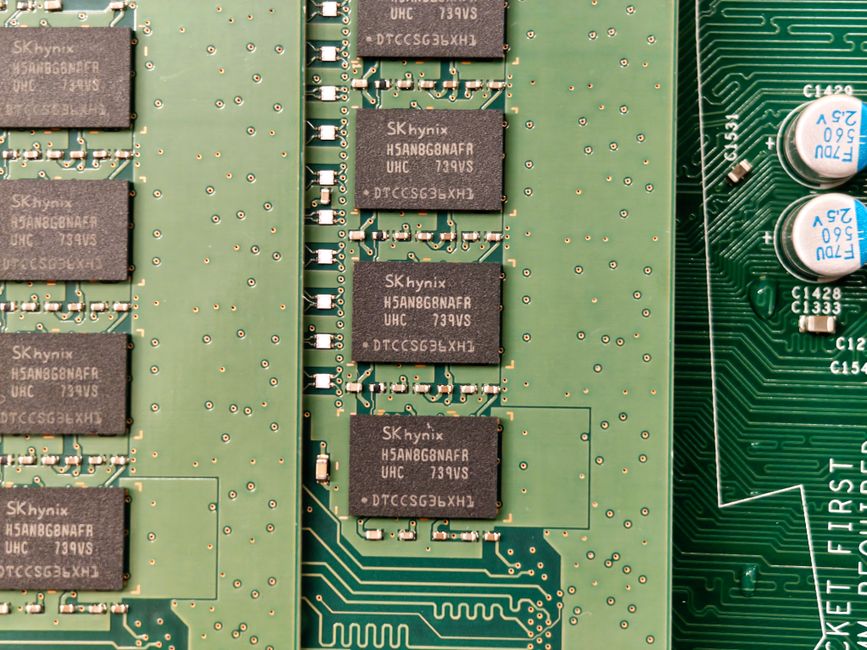
What should memory chip engineers consider when applying for jobs at SK Hynix’s Ohio factory?
Engineers should highlight their expertise in HBM technology and be ready to discuss their experience with advanced manufacturing processes. Familiarity with the latest industry trends and technologies will also help when applying for jobs in this fast-evolving field.
You may also like
 Industry & Global Trends
Engineering Students Shift Focus to Emerging Fields
The engineering landscape in India is undergoing a significant transformation as students increasingly opt for technology-driven disciplines over traditional branches. This shift reflects changing job…
Read More →