No products in the cart.

Skills Gap Threatens Growth as World Bank Unveils 2026 Index
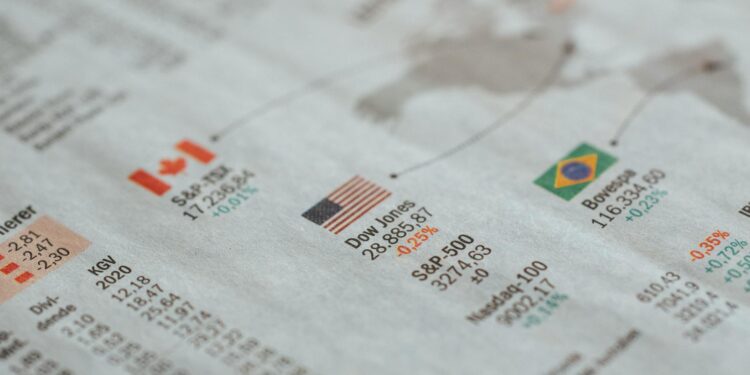
The World Bank’s Global Skills Index reveals a widening gap that now dictates investment flows and economic growth, urging nations to adopt continuous learning ecosystems.

The World Bank’s Global Skills Index shows that half of the world’s economies are falling behind the pace of technological change, and the gap now determines who attracts investment and who stalls.
Global Skills Gap: A Growing Concern
The World Bank released its Q1 2026 Global Skills Index on March 15, ranking 140 economies on a 0-100 scale. India moved to 45th place with a score of 58.2, its highest since the index began, while Nigeria slipped to 112th with a score of 34.1. The index measures literacy, digital competence, and vocational training outcomes.
A World Bank analysis found that 62% of firms in high-scoring economies report that skilled workers are “easily available,” compared with only 27% in low-scoring nations. This shortage translates into slower product development and weaker export performance. For example, Tata Consultancy Services (TCS) recently warned that unfilled senior-engineer roles cost the company an estimated $1.2 billion in lost contracts last year.
Context: Global Economy in Flux

The International Monetary Fund’s October 2025 World Economic Outlook described the global economy as “in a state of flux, with prospects remaining dim.” The report links sluggish growth to mismatched labor skills, especially after the COVID-19 pandemic accelerated digital adoption.
A World Bank analysis found that 62% of firms in high-scoring economies report that skilled workers are “easily available,” compared with only 27% in low-scoring nations.
India’s performance across multiple rankings illustrates the pressure. The Human Capital Index placed India at 71st out of 146, highlighting gaps in secondary education and health that feed into the skills deficit. Yet the same country recorded a 12% jump in export value this quarter, driven largely by high-tech manufacturing and services.
High Stakes: Economic Growth and Competitiveness
If nations ignore the skills shortfall, they risk being sidelined in the next wave of global trade. The World Bank estimates that each point increase in a country’s skills score could boost GDP per capita by 0.8% over ten years. Conversely, low scores correlate with higher income inequality. In Brazil, regions scoring below 45 on the index have unemployment rates 3 percentage points higher than the national average.
Foreign investors use the index as a quick risk filter. A 2025 survey of 200 multinational CEOs revealed that 68% would prioritize entry into markets with scores above 55, even if tax incentives were lower. The logic is simple: skilled workforces reduce training costs and accelerate time-to-market.
Response: Investing in Skills Development
Governments are answering with multi-pronged strategies. India’s Ministry of Skill Development announced a ₹1.2 trillion (≈ $16 billion) budget for “Skill India 2027,” focusing on AI, renewable energy, and advanced manufacturing. The plan includes public-private partnerships with firms such as Infosys and Mahindra & Mahindra to co-design curricula.
You may also like
 Entrepreneurship & Business
Costa Coffee Returns to Profit with New Beverage Trends
Costa Coffee's return to profitability highlights a growing trend towards refreshing beverage options like iced drinks and matcha, crucial for coffee shop managers and product…
Read More →In Europe, Germany’s “Digital Skills Pact” allocates €2 billion to upskill 1 million workers by 2028, targeting the automotive and logistics sectors. The pact partners vocational schools with companies like Bosch and DHL, ensuring that training aligns with real-world needs.
Response: Investing in Skills Development Skills Gap Threatens Growth as World Bank Unveils 2026 Index Governments are answering with multi-pronged strategies.
Outlook: A Future of Continuous Learning
The World Bank’s index will become a benchmark for policy and corporate decisions. Its quarterly updates will track progress, allowing nations to adjust strategies in near-real time. Experts predict that the next decade will see “learning ecosystems” replace static education models. Workers will move between short courses, on-the-job training, and employer-sponsored certifications throughout their careers.