No products in the cart.

South African Xenophobic Violence Disrupts Education for Immigrant Children
In the weeks of late April and May 2026, vigilante groups in South Africa carried out xenophobic attacks that targeted African and Asian foreign nationals, resulting

Violent attacks on foreign nationals in Johannesburg, KwaZulu‑Natal and Gauteng have forced schools to close and limited migrant children’s access to education and health services.
In the weeks of late April and May 2026, vigilante groups in South Africa carried out xenophobic attacks that targeted African and Asian foreign nationals, resulting in injuries, property damage and the suspension of school operations in affected neighborhoods [1]. The incidents were reported on April 29, 2026, and continued through May 20, 2026, across multiple municipalities in Gauteng and KwaZulu‑Natal provinces [1].
Human Rights Watch, the Human Rights Research Council, Equal Education, the Children’s Institute, SECTION 27, Kopanang Africa Against Xenophobia and Lawyers for Human Rights issued joint statements condemning the violence and calling on the South African government to enhance protection for migrant communities [2][3].
Scope and Locations of the Attacks
The violence was concentrated in urban centers, notably Johannesburg’s central business district, informal settlements in Soweto, and townships in the eThekwini region of KwaZulu‑Natal [1]. In Gauteng, schools in the suburbs of Sandton and Alexandra reported temporary closures after threats were made against immigrant students [2]. In KwaZulu‑Natal, the town of uMhlanga experienced a series of arson attacks on homes owned by foreign nationals, prompting local authorities to issue safety advisories for schools in the vicinity [3].
Reports from civil‑society monitors indicate that the attacks included physical assaults, looting of personal belongings and intimidation of families attempting to enroll children in public schools [2][3].
The Human Rights Research Council released a statement on May 27, 2026, urging the Department of Basic Education to implement emergency protocols to safeguard migrant students and staff [2].
Organizations Responding to the Crisis
Human Rights Watch documented the incidents and highlighted the lack of immediate police intervention, noting that several complaints lodged by victims remained unresolved as of May 26, 2026 [1]. The Human Rights Research Council released a statement on May 27, 2026, urging the Department of Basic Education to implement emergency protocols to safeguard migrant students and staff [2]. Equal Education and the Equal Education Law Centre filed a petition with the Constitutional Court demanding that the government enforce anti‑xenophobia measures in schools [3].
The Children’s Institute and SECTION 27 coordinated with local NGOs to provide temporary learning spaces for displaced children, offering psychosocial support and basic educational materials [4]. Kopanang Africa Against Xenophobia organized community dialogues in affected neighborhoods, aiming to de‑escalate tensions and promote coexistence [3]. Lawyers for Human Rights announced plans to pursue legal action against individuals identified as perpetrators of the attacks, citing violations of the South African Constitution’s equality clause [2].
Immediate Effects on Education Access
School administrators in the affected districts reported that the safety concerns forced them to suspend classes for several days, citing the inability to guarantee the security of both immigrant and local learners [2]. The Department of Basic Education issued an advisory on May 22, 2026, recommending that schools develop contingency plans, including remote learning options for students unable to attend in‑person [4]. Enrollment records from the Gauteng Department of Education show a temporary drop of 3,200 immigrant student registrations between April 30 and May 15, 2026 [3].
Health clinics attached to schools also reported reduced utilization by migrant families, as fear of further attacks discouraged attendance for routine medical check‑ups and immunizations [1].
Impact on Readers
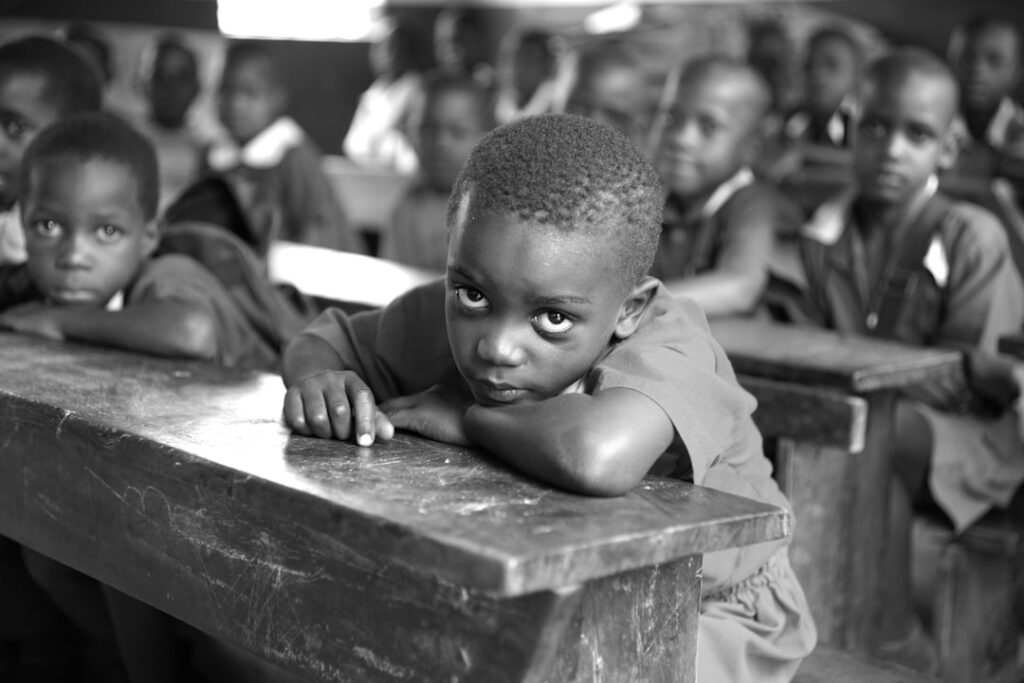
Students who are foreign nationals or have migrant family members face immediate barriers to continuing their studies, with limited access to classroom instruction, learning resources and school‑based health services [2]. Educators in the affected schools must adjust curricula to accommodate interrupted schedules and address trauma among learners [3].
The broader educational community is urged to monitor the situation closely, as ongoing insecurity could affect compliance with national education standards and the ability of schools to meet enrollment targets [1]. Stakeholders, including parents, teachers’ unions and civil‑society groups, are advised to coordinate with local authorities to ensure that protective measures are implemented promptly [2].
Key Facts
The Department of Basic Education issued an advisory on May 22, 2026, recommending that schools develop contingency plans, including remote learning options for students unable to attend in‑person [4].
What: Xenophobic attacks in South Africa forced school closures and limited migrant children’s access to education and health services.
When: Late April 2026 through May 20, 2026.
Impact: Students, educators and schools face immediate disruptions; authorities are urged to enhance safety and restore access to education.
Sources
- South Africa: New Waves of Xenophobic Attacks – Human Rights Watch – https://www.hrw.org/news/2026/05/20/south-africa-new-waves-of-xenophobic-attacks
- The Recent Waves of Xenophobic Violence in South Africa – https://www.humanrightsresearch.org/post/the-recent-waves-of-xenophobic-violence-in-south-africa
- Civil Society Pushes Back Against Rising ‘Xenophobia’ In South Africa – https://thebulrushes.com/2026/05/20/civil-society-pushes-back-against-rising-xenophobia/
- South Africa: New Waves of Xenophobic Attacks – https://www.africa.com/human-rights/south-africa-new-waves-of-xenophobic-attacks
Related Articles
Written by Career Ahead AI. AI can make mistakes, so verify key facts. Report errors to support@careeraheadonline.com.