No products in the cart.

South Africa’s Nuclear Ambitions: Powering the Future

South Africa is accelerating its nuclear expansion to meet future energy demands, impacting careers in sustainable energy.

South Africa — In a bold move to address its escalating energy crisis, South Africa is ramping up its nuclear power capabilities. The government has announced plans to expand its nuclear fleet, aiming to generate up to 20% of its electricity from nuclear sources by 2030. This initiative comes in response to a persistent energy shortfall that has plagued the nation, leading to widespread load shedding and economic instability.
The urgency of this nuclear expansion is underscored by the need for reliable energy to support economic growth and job creation. As South Africa grapples with high unemployment rates—hovering around 34% according to Statistics South Africa—investments in nuclear energy could provide not only a stable power supply but also a boost to the job market, particularly in the fields of engineering, construction, and environmental management.
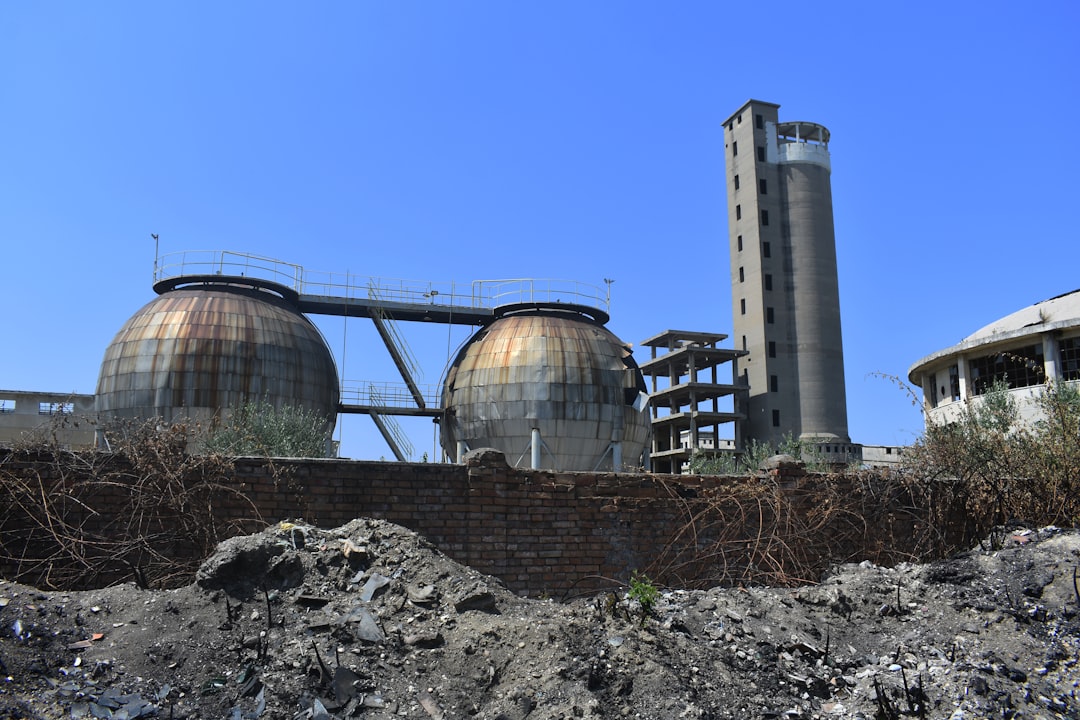
This nuclear initiative is part of a broader strategy to transition to a more sustainable energy infrastructure. The South African government aims to diversify its energy mix, which currently relies heavily on coal, a source that contributes significantly to greenhouse gas emissions. The Department of Mineral Resources and Energy has set a target to reduce carbon emissions by 42% by 2025, a goal that is increasingly seen as vital in the global fight against climate change.
Historically, South Africa’s energy landscape has been dominated by coal, which accounts for approximately 80% of the country’s electricity generation. However, the adverse effects of carbon emissions have prompted a shift in policy. The country’s Integrated Resource Plan (IRP) outlines a vision for a more diversified energy portfolio, emphasizing renewables and nuclear power as key components for a sustainable future. By incorporating nuclear energy, South Africa not only aims to enhance energy security but also to align with international climate commitments.
 Business And Entrepreneurship
Leveraging Entrepreneurial Networks for Career Advancement
Learn how building a robust entrepreneurial network can enhance your career prospects and open doors to new opportunities.
Read More →The country’s Integrated Resource Plan (IRP) outlines a vision for a more diversified energy portfolio, emphasizing renewables and nuclear power as key components for a sustainable future.
In recent months, the South African government has engaged with international partners to secure funding and expertise for its nuclear expansion. The International Atomic Energy Agency (IAEA) has been involved in consultations, providing technical support and guidelines for the safe development of nuclear facilities. Furthermore, the government has expressed interest in collaborating with countries like France and Russia, which have extensive experience in nuclear technology.
From an economic perspective, the nuclear expansion is projected to create thousands of jobs. According to the Nuclear Energy Corporation of South Africa (NECSA), the construction and operation of new nuclear plants could generate approximately 35,000 direct and indirect jobs over the next decade. These positions will span various sectors, including engineering, project management, and skilled trades, presenting significant opportunities for South African youth.
However, challenges remain. Public sentiment regarding nuclear energy is mixed, with concerns over safety and environmental impact stemming from high-profile nuclear incidents globally. The government will need to engage in transparent communication and education campaigns to address these fears. The lessons learned from the Fukushima disaster in Japan and the Chernobyl incident in Ukraine have heightened public scrutiny of nuclear projects worldwide.
Moreover, the financial implications of nuclear power cannot be overlooked. The initial capital investment for nuclear plants is substantial, often exceeding billions of dollars. Critics argue that funds could be better allocated to renewable energy sources like solar and wind, which have seen declining costs and rapid technological advancements. The debate over the best path forward for South Africa’s energy future continues, with stakeholders advocating for a balanced approach that includes both nuclear and renewables.
 Career Advice
Why Your Life Design Should Include Career Contingency Planning
Career contingency planning is crucial in today's unpredictable job market. Discover how to build resilience and prepare for unexpected changes…
Read More →As South Africa embarks on this ambitious nuclear journey, it is essential to consider the implications for workforce development. Educational institutions are increasingly recognizing the need to equip students with the skills necessary to thrive in a green economy. Universities and vocational schools are expanding programs in nuclear engineering, environmental science, and renewable energy technologies. This shift is crucial in preparing a skilled workforce that can meet the demands of a changing energy landscape.
In addition to formal education, partnerships between industry and academia are vital. Collaborative projects can facilitate internships and training programs, providing students with hands-on experience in the field. The rise of online learning platforms also offers flexible options for professionals seeking to upskill in nuclear energy and sustainable practices.
Educational institutions are increasingly recognizing the need to equip students with the skills necessary to thrive in a green economy.
Looking ahead, South Africa’s nuclear expansion represents not just an energy strategy, but a pivotal moment for workforce development in the country. As the demand for skilled professionals in sustainable energy grows, individuals who invest in education and training in this sector can position themselves advantageously in the job market. The intersection of nuclear energy and climate sustainability offers a unique opportunity for career advancement, particularly as the global economy increasingly prioritizes clean energy solutions.
In conclusion, while the path to a nuclear-powered future is fraught with challenges, the potential rewards—both in terms of energy security and economic opportunity—are significant. As South Africa navigates this transition, the emphasis on education and workforce development will be crucial in ensuring that the benefits of nuclear energy are realized across the nation. The question remains: how will South Africa balance its energy needs with environmental responsibilities in the coming years?
 Media
MediaThe Power of Narrative Intelligence in Business
Strategic storytelling transforms business communication, enhancing trust and clarity. Discover how narrative intelligence can shape your brand's success.
Read More →