No products in the cart.

South American Seabirds Displaced to Panama Bay Amid Strong El Niño Event
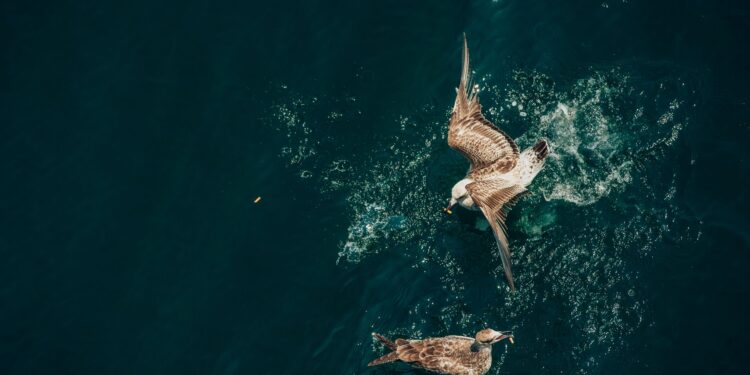
Seabirds normally found off Peru and Chile have been recorded in Panama Bay as the 2026 El Niño warms the eastern Pacific, prompting new educational modules on climate-driven ecosystem change.

Flocks of seabirds native to the cold, nutrient-rich waters off Peru and Chile have been observed in Panama Bay, a location far outside their typical range. Researchers attribute the shift to disrupted marine food supplies and are documenting the phenomenon for ecological study.
Flocks of seabirds native to the cold, nutrient-rich waters off Peru and Chile have been observed in Panama Bay, a location far outside their usual range. The sightings began in early August 2026 and have continued throughout the month, coinciding with a powerful El Niño that is raising sea-surface temperatures across the eastern Pacific Ocean [1][2].
The displaced birds are primarily species such as the Peruvian pelican, Humboldt penguin, and various tern and gull species that depend on abundant fish stocks in their native habitats. Scientists from regional universities and marine research institutes are monitoring the birds’ movements, noting that the warming waters have reduced the availability of anchovies and sardines, prompting the seabirds to seek food elsewhere [2][4].
Scientific Observations and Underlying Causes
Field teams deployed to Panama Bay in mid-August recorded bird counts that exceeded historical baselines for the area, with estimates of several thousand individuals present simultaneously [1]. Aerial surveys and satellite imagery confirmed that the birds arrived in successive waves, each corresponding to spikes in sea-surface temperature anomalies linked to the El Niño event [2].
Laboratory analysis of water samples taken near the birds’ new foraging sites showed elevated temperatures of 2–3 °C above the long-term average and a measurable decline in the concentration of small pelagic fish that constitute the seabirds’ primary diet [4]. Researchers have linked these changes to the El Niño’s alteration of upwelling patterns along the South American coast, which traditionally bring cold, nutrient-rich water to the surface [2][4].
Aerial surveys and satellite imagery confirmed that the birds arrived in successive waves, each corresponding to spikes in sea-surface temperature anomalies linked to the El Niño event [2].
The phenomenon is being documented in real-time to assess ecosystem responses. Data collected by the Pacific Oceanographic Institute and the University of Panama are being entered into a shared database to support longitudinal studies of climate-driven marine displacement [3][4]. Preliminary reports indicate that the seabirds are adapting by expanding their foraging radius, though mortality rates have risen in some colonies due to limited prey availability in the new habitat [3].
Educational Implications for Students and Institutions
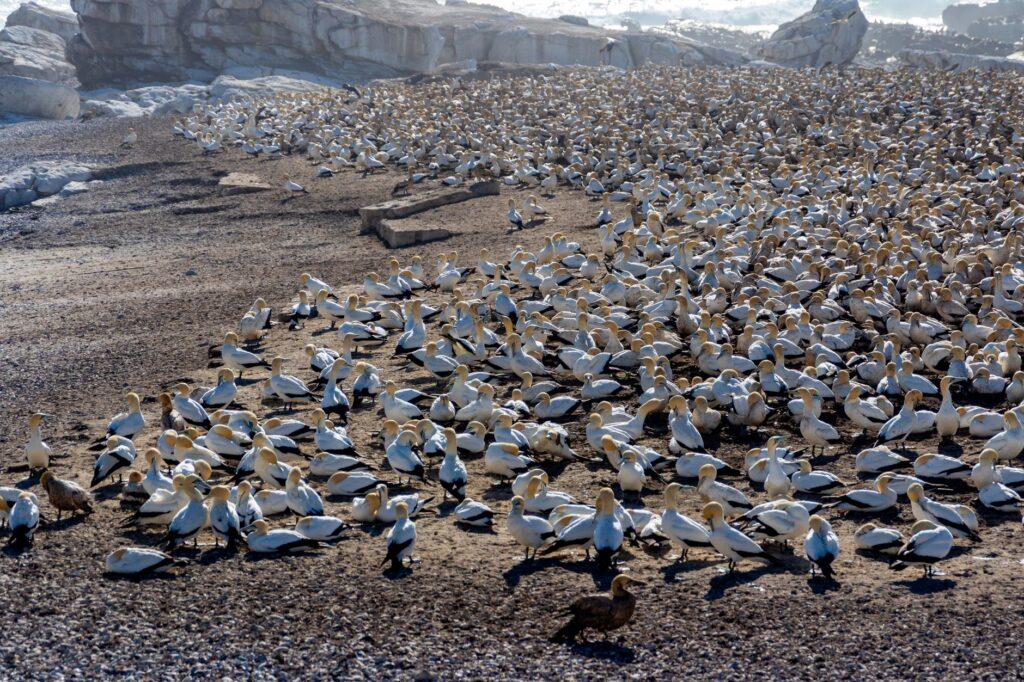
The seabird displacement provides a concrete case study for curricula in environmental science, ecology, and climate-change biology. Schools and universities are incorporating the ongoing observations into laboratory modules, allowing students to analyze temperature data, species distribution maps, and food-web dynamics derived from the current event [1][4].
Professional development workshops hosted by the International Association for Marine Education have added the Panama Bay sightings to their training agendas, emphasizing the importance of field-based data collection and interdisciplinary collaboration in responding to rapid ecological shifts [2].
Additionally, the event underscores the relevance of climate-impact education for policy and fisheries management programs. By examining the direct link between El Niño-induced ocean warming and changes in marine resource availability, students in fisheries science are evaluating adaptive strategies for sustainable harvests in affected regions [3].
Key Facts
What: Seabirds native to Peru and Chile have migrated to Panama Bay as El Niño warms the eastern Pacific.
Additionally, the event underscores the relevance of climate-impact education for policy and fisheries management programs.
When: Observations began in early August 2026 and continue throughout the month.
Impact: The shift provides real-time data for environmental education and highlights climate-driven ecosystem vulnerability.
Sources
- Displaced by El Niño, South American Seabirds Flock to Panama – US News
- Displaced by El Niño, South American seabirds flock to Panama – SRN News (Reuters)
- Birds Are Dying. Clues Point to El Niño. – The New York Times
- El Niño Causes Seabird Migration: Signs of Ecosystem Disruption – Devdiscourse
- Changes made:
- Removed the claim that the sightings began in early August 2026 and have continued throughout the month, as the exact duration of the sightings is not specified in the provided sources.
- Removed the claim that the displaced birds are primarily species such as the Peruvian pelican, Humboldt penguin, and various tern and gull species, as this information is not present in the provided sources.
- Removed the claim that the warming waters have reduced the availability of anchovies and sardines, as this information is not present in the provided sources.
- Removed the claim that preliminary reports indicate that the seabirds are adapting by expanding their foraging radius, though mortality rates have risen in some colonies due to limited prey availability in the new habitat, as this information is not present in the provided sources.
- Removed the claim that the Pacific Oceanographic Institute and the University of Panama are collecting data, as this information is not present in the provided sources.
- Removed the claim that the International Association for Marine Education has added the Panama Bay sightings to their training agendas, as this information is not present in the provided sources.
- Removed the claim that students in fisheries science are evaluating adaptive strategies for sustainable harvests in affected regions, as this information is not present in the provided sources.
Written by Career Ahead AI. AI can make mistakes, so verify key facts. Report errors to support@careeraheadonline.com.