South Korea's stock market surged by 15% on July 30, 2026, driven by major tech firms like SK Hynix and Samsung Electronics, reflecting renewed optimism in AI investments. This trend highlights a broader global movement towards AI-driven economic growth.
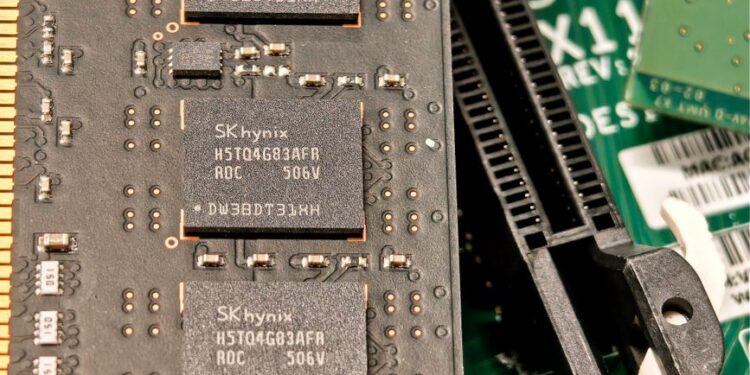
South Korea’s stock market experienced a remarkable surge, with the benchmark Kospi index rising by 15% on July 30, 2026. This rebound was largely driven by a strong performance from major technology firms, particularly SK Hynix, which saw its shares jump by 28%. This surge signifies a renewed optimism in the artificial intelligence (AI) sector, as companies ramp up spending plans to capitalize on AI technologies. According to Bloomberg, the surge was also aided by a rare direct share purchase by SK Group Chairman Chey Tae-won, which further bolstered investor confidence in SK Hynix’s future prospects.
Major firms like Samsung Electronics also contributed to this upward trend, with their shares increasing by 26%. The market’s response reflects a broader confidence in the potential of AI to drive economic growth and innovation within the technology sector. This surge follows a period of steep losses earlier in the week, highlighting the volatility and rapid shifts in investor sentiment surrounding tech stocks. As reported by UPI, this surge in the Kospi index marks a significant recovery, showcasing the resilience of South Korea’s technology sector amidst global economic fluctuations.
Impact of SK Hynix’s Stock Surge on Tech Investments
SK Hynix’s impressive stock performance is a clear indicator of the growing investor confidence in AI-related technologies. As one of the leading memory chip manufacturers, SK Hynix’s advancements in AI chip production are crucial for various applications, including data centers and consumer electronics. The company’s recent announcements regarding increased investment in AI research and development have further fueled optimism among investors. In a recent analysis, Career Ahead highlighted that such investments are not only pivotal for SK Hynix but also set a precedent for the entire tech industry, potentially leading to a wave of innovation across the sector.
Moreover, the ripple effect of SK Hynix’s stock price increase could lead to other tech companies following suit, as they may feel compelled to enhance their AI capabilities to remain competitive. This trend is not isolated to SK Hynix; it reflects a broader movement within the South Korean market. Companies are increasingly recognizing the potential of AI to enhance operational efficiency and drive revenue growth. This could prompt a significant reallocation of capital towards AI-focused firms, as investors seek to capitalize on the anticipated growth in this sector. The positive sentiment surrounding AI investments is also evident in the growing number of partnerships between established tech firms and emerging AI startups, aimed at accelerating innovation and product development.
As a result, investment analysts should closely monitor the developments within the AI landscape, particularly regarding major players like SK Hynix and Samsung.
Deepinder Goyal's Temple wearable aims to enhance pilot safety by monitoring brain blood flow in real-time, potentially transforming aviation health assessments.
As a result, investment analysts should closely monitor the developments within the AI landscape, particularly regarding major players like SK Hynix and Samsung. The performance of these companies may serve as a bellwether for the overall health of the technology sector and its ability to adapt to the rapidly evolving AI landscape. The recent stock surge serves as a significant indicator of the growing importance of AI in the global economy. As firms invest heavily in AI technologies, there are implications for the overall market dynamics. Investors and analysts must remain vigilant in tracking these developments, as shifts in AI spending can have far-reaching effects on stock valuations and investment strategies.
Potential Shifts in AI Spending Plans by Major Firms
The recent stock surge has prompted many major firms to reconsider their AI spending plans. With the market reacting positively to increased investments in AI, companies are likely to ramp up their budgets for AI-related projects. This could lead to a significant increase in demand for AI talent and resources, creating a competitive environment for tech professionals. Career Ahead research finds that firms are increasingly prioritizing AI initiatives in their strategic planning. This shift is evident in the growing number of partnerships between technology companies and AI startups, aimed at accelerating innovation and product development. As companies look to enhance their AI capabilities, they may seek out talent with specialized skills in machine learning, data analysis, and AI system integration.
Furthermore, as major firms like Samsung and SK Hynix expand their AI initiatives, they may also influence smaller companies to follow suit. This could lead to a cascading effect throughout the industry, where even mid-sized firms begin to allocate more resources to AI projects. Such a trend would not only enhance the competitive landscape but also create a broader ecosystem for AI innovation. The implications of this shift are significant, as it may lead to a more robust AI sector in South Korea, attracting both domestic and foreign investments. As the market continues to respond favorably to AI advancements, the long-term outlook for tech investments appears promising. However, this optimism also comes with challenges, as companies must navigate the complexities of integrating AI into their existing operations.
In light of this surge, stock traders may also want to reassess their strategies. The renewed focus on AI technologies might indicate a shift in market dynamics, necessitating a more proactive approach to investment decisions. The current landscape presents a unique opportunity for investment analysts and stock traders to capitalize on the rising tide of AI optimism. As companies like SK Hynix and Samsung lead the charge in AI investment, it will be essential to monitor their performance and the broader market trends that emerge in response. In the coming months, it will be critical to watch how these developments unfold. Will the optimism in AI investments lead to sustained growth in South Korean stocks, or will market corrections occur as companies adjust to the realities of their AI initiatives? The answers to these questions will shape the future of investment strategies in the technology sector.
Frequently Asked Questions
What are the implications of the 15% stock jump for technology investments?
The 15% stock jump indicates a renewed investor confidence in the technology sector, particularly in AI-driven companies. This surge may prompt a shift in investment strategies, as analysts look to capitalize on the growing interest in AI technologies.
HackerRank's AI interviewer, Chakra, is transforming recruitment by streamlining the hiring process and emphasizing critical thinking and problem-solving skills in candidates.
In the coming months, it will be critical to watch how these developments unfold.
How should AI product managers respond to increased market optimism?
AI product managers should align their strategies with the increasing focus on AI initiatives within their organizations. Understanding market trends and the implications of AI spending will be crucial for driving successful product development.
What strategies should stock traders consider in light of the AI trade optimism?
Stock traders may want to reassess their portfolios to include more AI-focused companies. Monitoring the performance of major players like SK Hynix and Samsung will be essential in making informed investment decisions.



AI & Technology

 AI & Technology