No products in the cart.

SpaceX and Giants Seek Sustainable Revenue Models

Gensler emphasizes the urgency for SpaceX to establish a sustainable revenue model as the space industry grows, with potential IPO activity in 2026 raising significant capital.

SpaceX is at a critical point as it prepares for a possible IPO. Former SEC Chair Gary Gensler has stressed the need for the company to create sustainable revenue models. In a recent discussion, Gensler mentioned that the expected IPO activity in 2026 could raise up to $75 billion across various companies. This puts pressure on SpaceX to clarify its financial strategies and attract investors.
Gensler’s insights come during a time when the space industry is growing rapidly. However, many startups, including SpaceX, are still figuring out how to monetize their innovations effectively. The urgency for a solid revenue model is not just about immediate profits. It’s also about building investor confidence in a competitive market. According to a report from Reuters, SpaceX made about $8 billion in profit last year. This figure shows the potential for revenue growth but also highlights the need for a consistent revenue model to keep investor interest over time.
Revenue Models for SpaceX and Similar Startups
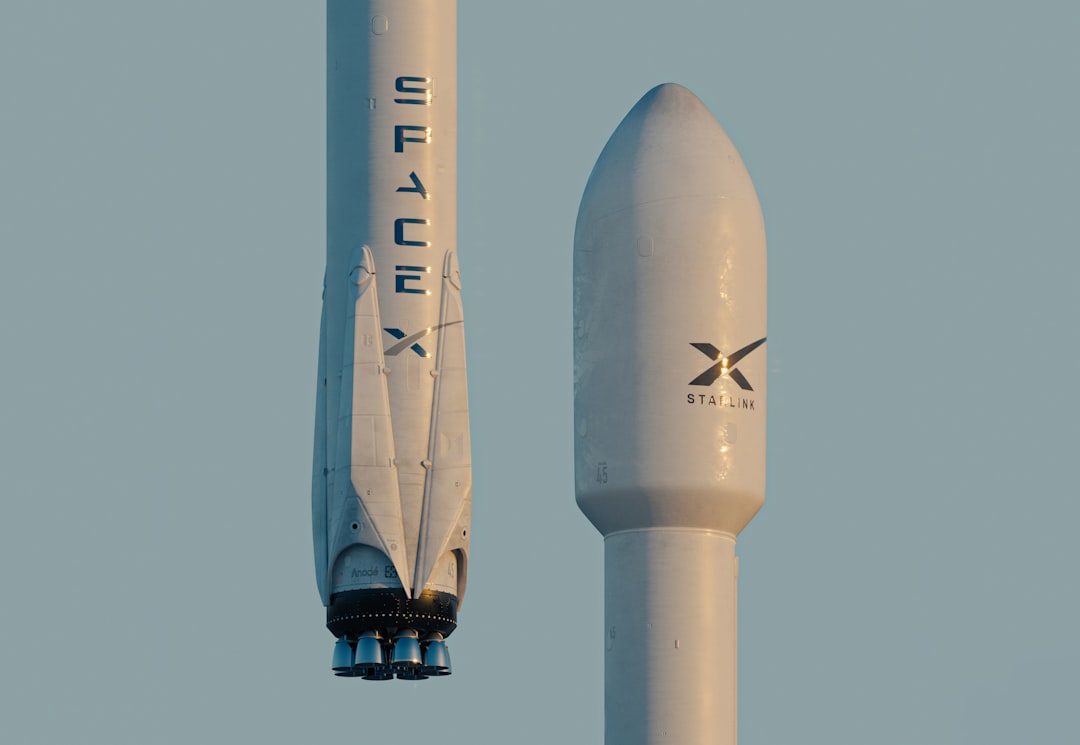
SpaceX is known for ambitious projects like Starlink and crewed missions to the International Space Station. It generated about $8 billion in profit last year, according to recent reports. However, this profit needs to turn into a consistent revenue model to keep investors interested in the long term. Career Ahead’s analysis identifies several potential revenue streams that SpaceX could explore.
One promising avenue is expanding its satellite internet service, Starlink. With broadband access becoming essential worldwide, especially in underserved areas, SpaceX can use its existing infrastructure to offer competitive pricing and reliable service. This could attract individual customers and secure contracts with governments and businesses needing robust internet solutions. As reported by Sacra, demand for satellite internet services is expected to grow significantly, giving SpaceX a chance to capture a larger market share.
Additionally, SpaceX could diversify its launch services for commercial satellite operators. The demand for satellite launches is likely to rise as more companies enter the space sector. By offering flexible pricing models and tailored services, SpaceX can strengthen its position as a go-to launch provider. The increasing number of satellites being launched globally, as highlighted by PitchBook, shows a growing market that SpaceX could tap into, especially as it continues to innovate its launch technologies.
This could attract individual customers and secure contracts with governments and businesses needing robust internet solutions.
You may also like
 Entrepreneurship & Business
Zoho Arattai Challenges WhatsApp Business Pricing | Career Outlook
Arattai for Business is designed to facilitate communication within organizations and with customers. According to Zoho's founder, Sridhar Vembu, the platform not only supports messaging…
Read More →Moreover, partnerships with other technology firms could lead to innovative projects that generate income. Collaborating with companies in telecommunications or data analytics could open new markets for SpaceX. This would allow shared resources and expertise while creating additional revenue opportunities. These partnerships could also improve SpaceX’s technological capabilities, making its offerings more appealing to potential clients.
However, these revenue models must be supported by a clear regulatory framework. The space industry is heavily regulated, and navigating these regulations will be crucial for SpaceX to implement new strategies effectively. As Gensler pointed out, understanding regulatory challenges is essential for any startup in the capital markets. The SEC’s strict guidelines on financial disclosures and compliance will require SpaceX to maintain transparency in its operations, which is vital for building trust with investors.
Impact of IPO Activity on Venture Capital Investments
The expected surge in IPO activity in 2026 is significant for venture capitalists and startup founders. Estimates suggest that $75 billion could be raised, reshaping the investment landscape. Career Ahead research finds that increased IPO activity often leads to a more competitive environment for securing funding. Investors become more discerning about where they allocate their resources.
For SpaceX, demonstrating a viable revenue model will be crucial. Investors will likely scrutinize the financial health of companies more closely, seeking assurance that their investments will yield returns. This heightened scrutiny can make it challenging for startups without established revenue streams to attract necessary funding. The competitive landscape will require SpaceX to showcase its current profitability and clearly articulate a vision for future growth and revenue generation.
Furthermore, the nature of venture capital investments may change as firms seek more stable and predictable returns. Startups that can provide clear revenue projections and show a path to profitability will likely stand out in this crowded market. This trend could pressure SpaceX and similar companies to adapt quickly, refining their business models to meet investor expectations. The anticipated IPO activity may also lead to a reevaluation of investment strategies, with venture capitalists diversifying their portfolios to include a wider range of companies in the space sector.
The competitive landscape will require SpaceX to showcase its current profitability and clearly articulate a vision for future growth and revenue generation.
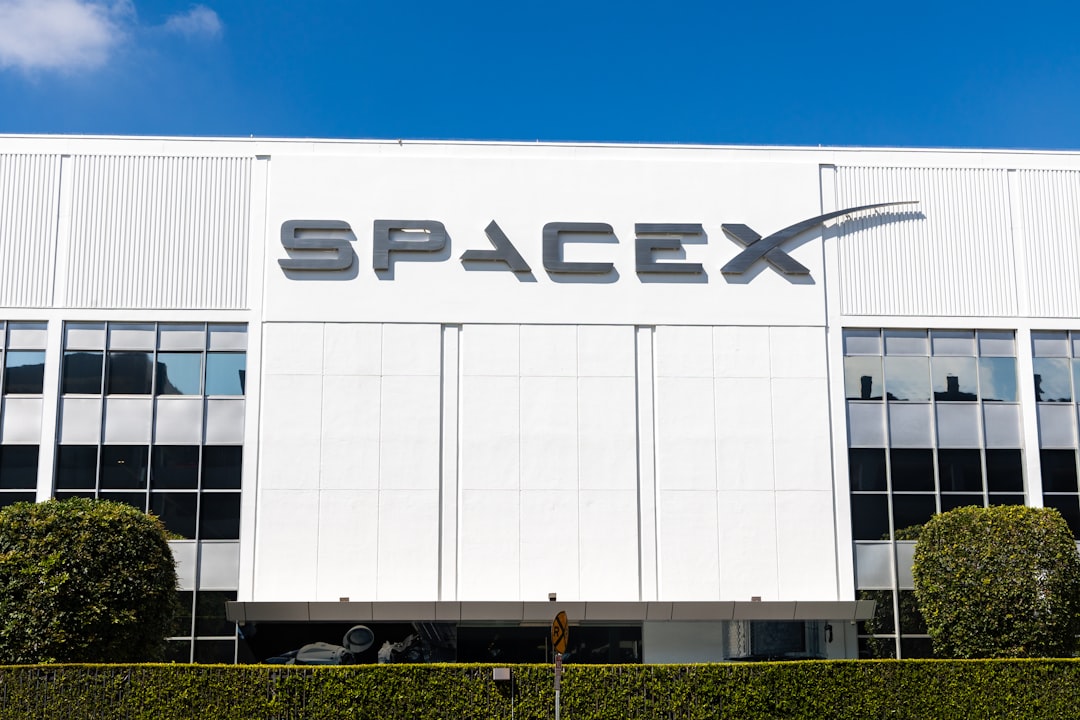
As the market for space exploration and technology expands, venture capitalists may invest in a broader range of companies. This diversification can increase competition among startups for funding, emphasizing the need for innovative revenue models. In this evolving landscape, founders must proactively communicate their financial strategies to potential investors. Clear, transparent communication about revenue generation and growth potential will be key to securing the trust and support of venture capitalists.
You may also like
 Entrepreneurship & Business
Nscale Hires Meta’s Justin Osofsky to Be COO Ahead of IPO
Nscale has appointed Justin Osofsky as COO, leveraging his extensive experience from Meta to enhance operational efficiency ahead of its IPO. This strategic hiring reflects…
Read More →As the space industry matures, the dynamics of venture capital funding will likely evolve. Startups must be agile and responsive to changing investor preferences. SpaceX’s ability to navigate these shifts will be critical as it prepares for its IPO and aims to solidify its position as a leader in the space sector.
Ultimately, managing regulatory challenges will significantly impact SpaceX’s success in the capital markets. Startups that can show compliance and adaptability will likely gain a competitive edge, attracting investors looking for stability in a rapidly changing environment. SpaceX’s journey toward establishing a sustainable revenue model is just beginning. With the IPO landscape evolving and regulatory challenges ahead, the company’s ability to innovate and adapt will be crucial. As investors seek clarity in revenue generation, the next steps taken by SpaceX could redefine its future in the space industry.
Frequently Asked Questions
What revenue models are successful space startups using?
Successful space startups often leverage satellite services, launch services, and partnerships with technology firms to generate revenue. SpaceX, for example, is focusing on expanding its Starlink internet service and offering competitive launch pricing.
Successful space startups often leverage satellite services, launch services, and partnerships with technology firms to generate revenue.
How will increased IPO activity affect venture capital investments?
Increased IPO activity often leads to more scrutiny from investors. This makes it essential for startups to demonstrate viable revenue models. Companies that can provide clear revenue projections are more likely to secure funding in a competitive market.
What regulatory challenges should space industry founders prepare for?
Space industry founders must navigate complex regulations related to SEC compliance and international space law. Understanding these regulations is crucial for ensuring transparency and building investor trust.
You may also like
 Entrepreneurship & Business
Amazon Launches Ultra-Fast Delivery in 120+ Indian Cities
Amazon has expanded its ultra-fast delivery service, Amazon Now, to over 120 cities in India, doubling its reach in just two weeks. This growth signifies…
Read More →