No products in the cart.

Spanish Hotel Chain Exits Cuba Amid U.S. Pressure
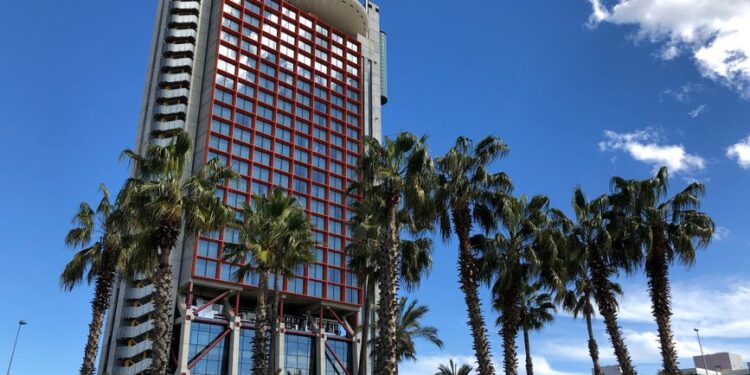
Meliá Hotels announces the cessation of operations in Cuba due to U.S. sanctions, signaling significant repercussions for the local job market and tourism sector.

Cuba — The Spanish hotel chain Meliá announced it would cease all operations in Cuba, effective at the end of this week. This decision comes amid increasing pressures from US sanctions, which the company cited as making it impossible to maintain operational stability. Meliá operates 34 hotels across the island, and the closure is expected to have significant implications for the local job market and tourism sector.
This move is not just a business decision; it reflects the ongoing geopolitical tensions that have been affecting Cuba’s economy for years. Meliá’s exit follows a broader trend of foreign companies withdrawing from the island due to similar pressures. The hotel chain, which has been a major player in Cuba’s tourism since the 1990s, has indicated that it will work to ensure a smooth transition for its staff, suppliers, and clients, but the reality of job losses looms large.
Job Losses and Economic Impact
The immediate fallout from Meliá’s closure will be job losses for thousands of hospitality workers in Cuba. Meliá is one of the largest foreign hotel operators on the island, managing around 14,000 rooms. As Career Ahead’s analysis shows, the cessation of operations will directly affect not only hotel staff but also local businesses that rely on tourism for their livelihoods. The loss of Meliá’s presence in Cuba is particularly concerning given that the hospitality sector has been a critical component of the island’s economy, contributing significantly to GDP and employment.
With the departure of Meliá, the hospitality job market in Cuba will face a significant contraction. Hotel managers and other professionals in the sector may find themselves competing for a shrinking pool of opportunities. The Cuban economy, already struggling due to the long-standing US embargo and recent sanctions, will likely see a further decline in tourism revenue, which is vital for economic stability. According to a report by The Guardian, the closure of Meliá’s hotels is a stark reminder of how external political pressures can directly impact local economies, particularly in a country heavily reliant on tourism.
The impact on tourism is profound. Meliá’s decision to leave is a clear signal that foreign investment in Cuba’s hospitality sector is becoming increasingly precarious. The World Bank has indicated that tourism accounts for a significant portion of Cuba’s GDP, and the loss of a major player like Meliá could lead to a ripple effect, affecting everything from employment to service quality in the remaining hotels. The Guardian highlights that the Meliá Cohiba in Havana, one of the chain’s flagship properties, will no longer welcome guests, further diminishing the island’s appeal as a tourist destination.
Hotel managers and other professionals in the sector may find themselves competing for a shrinking pool of opportunities.
You may also like
IHCL’s Q1 Profit Surge Boosts Hospitality Careers
IHCL's impressive Q1 results reflect a thriving hospitality sector, suggesting ample career opportunities for students and professionals. The company's growth trajectory indicates a rising demand…
Read More →Moreover, the closure of these hotels may deter future foreign investment. Investors often seek stable environments, and the current geopolitical climate presents a significant risk. As a result, hotel managers may need to adapt to a new reality where foreign partnerships become scarce, leading to a more localized and potentially less competitive market. The situation is compounded by the fact that many local businesses, which depend on the influx of tourists, are also likely to suffer from reduced foot traffic and spending.
Changes in the Hospitality Job Market Dynamics
The departure of Meliá Hotels will fundamentally alter the dynamics of the hospitality job market in Cuba. Hotel managers who once had clear career paths within a multinational framework may now find their options limited. With fewer foreign chains operating, opportunities for professional growth and development could diminish. This shift is particularly concerning for younger professionals entering the field, who may find it increasingly difficult to secure positions that offer the training and experience necessary for career advancement.
Career Ahead research finds that the hospitality sector in Cuba must now pivot towards domestic tourism and local investment to fill the void left by foreign companies. This shift could lead to the emergence of new local brands and hotels, but it will take time for these entities to establish themselves in a market previously dominated by international players. The Guardian also notes that the potential for innovation exists, as local entrepreneurs may begin to develop unique offerings tailored to the needs of domestic tourists, which could revitalize the sector in the long term.
Furthermore, the skills required in the hospitality sector may need to evolve. As local businesses step in to fill the gap, hotel managers and staff may need to adapt to different operational standards and customer expectations. Training programs focused on local tourism and service excellence will be crucial to help workers transition into this new landscape. The ability to provide high-quality service and create memorable experiences for guests will be essential for the survival of the hospitality industry in Cuba.
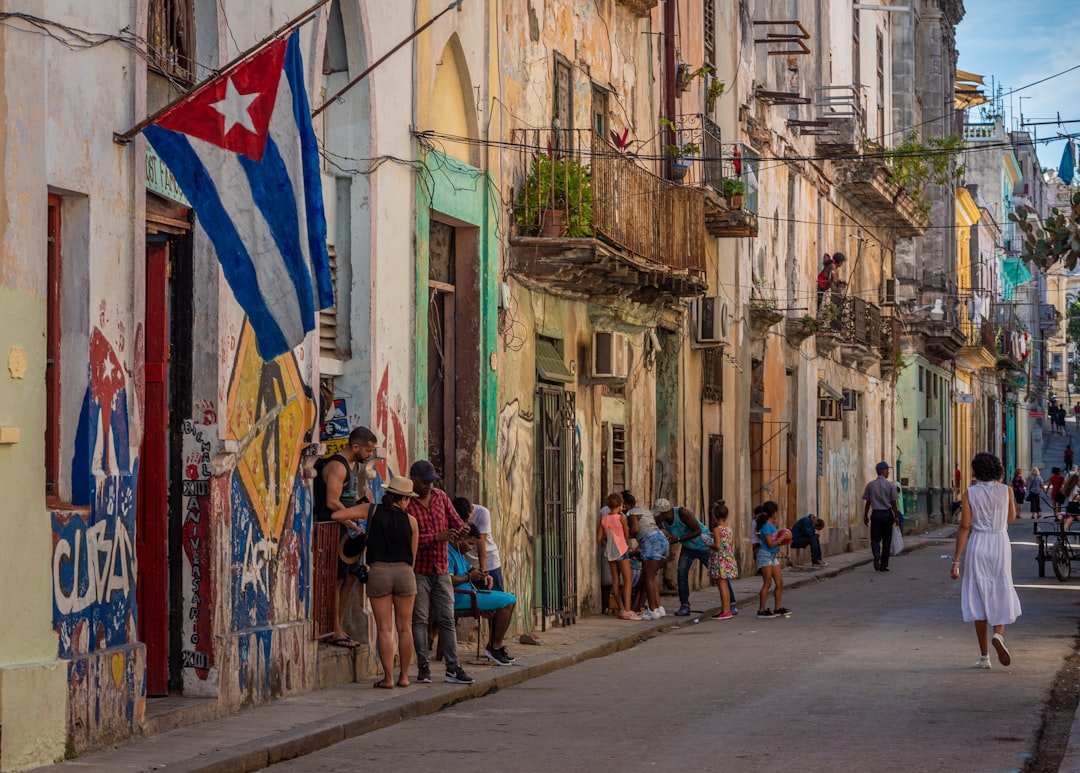
Hotel managers and hospitality professionals must prepare for a future where they may need to rely more on local resources and partnerships.
While the immediate outlook appears grim, there is potential for innovation in how hospitality services are delivered in Cuba. Local entrepreneurs may find opportunities to create unique offerings that cater to domestic tourists, which could help revitalize the sector in the long term. The broader implications of Meliá’s exit extend beyond job losses and economic downturns. The situation shines a light on the vulnerability of the Cuban hospitality industry to geopolitical pressures. As foreign investment continues to wane, the need for a resilient domestic tourism strategy becomes critical.
With the US sanctions showing no signs of abating, Cuba’s hospitality sector will likely struggle to regain its footing. Hotel managers and hospitality professionals must prepare for a future where they may need to rely more on local resources and partnerships. This shift could lead to a more self-sufficient industry, but it also raises questions about the quality and competitiveness of services offered. As the Cuban government seeks to navigate these challenges, the focus may shift towards fostering local talent and supporting homegrown businesses. How effectively this transition occurs will determine the future of the hospitality sector in Cuba.
The situation remains fluid, and the next few months will be crucial for hotel managers and hospitality professionals as they adapt to this new reality. The potential for innovation and growth exists, but it will require a concerted effort from all stakeholders to ensure the sustainability of the industry.
Frequently Asked Questions
What are the job prospects for hotel managers in Cuba after the closure of Spanish hotels?
Career Ahead analysis indicates that job prospects for hotel managers in Cuba will diminish significantly following the closure of Meliá Hotels. With fewer foreign investments, the competition for available roles will increase, leading to a challenging job market.
Hotel managers in Cuba should consider enhancing their skills to align with local tourism trends and customer expectations.
How will the hospitality industry in Cuba adapt to the loss of foreign hotel chains?
The hospitality industry in Cuba may adapt by focusing on local tourism and fostering domestic brands. This shift could lead to new opportunities but will require time and investment to develop a competitive local market.

What should hotel managers in Cuba do to prepare for changes in the tourism market?
Hotel managers in Cuba should consider enhancing their skills to align with local tourism trends and customer expectations. Developing expertise in local culture and service excellence will be vital as the industry evolves.