No products in the cart.

Stakeholders Discuss SEZ Challenges

The Commerce Ministry's upcoming meeting on June 30 aims to address critical issues affecting Special Economic Zones (SEZs), including regulatory reforms and new incentives to boost exports and business operations.

The Commerce Ministry of India has convened a stakeholders meeting on June 30 to discuss pressing issues surrounding Special Economic Zones (SEZs). This meeting aims to address the harmonisation of export promotion schemes and propose reforms that could significantly impact trade and business operations within these zones.
The discussion will cover various topics, including the payment structure for SEZs, job work by units for domestic tariff area (DTA) services, and the promotion of ease of doing business in these enclaves. The meeting comes at a crucial time, as SEZs have seen a decline in exports, dropping from $172.07 billion in 2024-25 to $133.45 billion in 2025-26, according to recent data.
Potential Regulatory Changes Affecting SEZ Operations
The upcoming meeting is expected to lead to significant regulatory changes for SEZ operations. The government has established a 17-member committee tasked with recommending broader reforms to the existing SEZ framework, which has remained largely unchanged since its inception in 2005. This committee will present a concept paper outlining a roadmap for what is being termed SEZ 2.0.
One of the critical issues on the agenda is the need to align various export promotion schemes, such as SEZs, export-oriented units (EoUs), and duty-free import authorisation (DFIA). The harmonisation of these schemes is crucial as it can simplify compliance and enhance operational efficiency for businesses operating within SEZs. The committee’s recommendations could pave the way for a more integrated approach to export promotion, which is essential for boosting India’s overall trade competitiveness.
The harmonisation of these schemes is crucial as it can simplify compliance and enhance operational efficiency for businesses operating within SEZs.
Furthermore, the meeting will explore the implications of allowing SEZ units to engage in job work for DTA services without being strictly linked to exports. This change could open new avenues for businesses, enabling them to tap into domestic markets while still benefiting from the incentives provided by SEZ status. According to the Economic Times, this flexibility could attract a wider range of businesses, particularly those looking to diversify their operations beyond export-centric models.
You may also like
 Government & Policy
Freelancers Navigate ITR Deadline: Forms and Deductions
Freelancers in India must file their Income Tax Returns (ITR) by 31 August 2026. This article outlines the necessary forms, income reporting rules, and tax…
Read More →Career Ahead’s analysis finds that these regulatory changes could lead to a more favorable business environment within SEZs, potentially increasing foreign direct investment (FDI) and encouraging domestic companies to expand their operations in these zones. The focus on easing restrictions and promoting export-oriented activities is likely to attract a broader range of businesses, enhancing the overall economic landscape. As noted by The Hindu Business Line, the meeting’s outcomes may also influence how SEZs are perceived in the global market, particularly in terms of their attractiveness to foreign investors.
New Incentives for Businesses Operating in SEZs
In addition to regulatory changes, the stakeholders meeting is poised to introduce new incentives aimed at revitalising the SEZ framework. The declining export figures have raised concerns about the effectiveness of the current SEZ model, prompting the government to consider innovative incentives that could stimulate growth.
One potential incentive under discussion is the introduction of financial grants or subsidies for businesses that meet specific export targets. This could encourage companies to increase their export volumes, thereby contributing to the country’s trade balance. Moreover, the government may consider tax breaks or reductions in compliance costs for businesses that demonstrate a commitment to sustainable practices within SEZs. Such measures could not only enhance the profitability of businesses but also align with global sustainability trends, making Indian products more appealing in international markets.
Another significant incentive could involve streamlining the approval process for new projects within SEZs. By reducing bureaucratic hurdles, the government aims to attract more businesses to invest in these zones, ultimately leading to job creation and economic growth. Simplifying the regulatory framework will be crucial for enhancing the attractiveness of SEZs, particularly for startups and small businesses looking to expand their operations. The Economic Times highlighted that easing these processes could significantly reduce the time and cost associated with project initiation, thus fostering a more vibrant business ecosystem.
Simplifying the regulatory framework will be crucial for enhancing the attractiveness of SEZs, particularly for startups and small businesses looking to expand their operations.
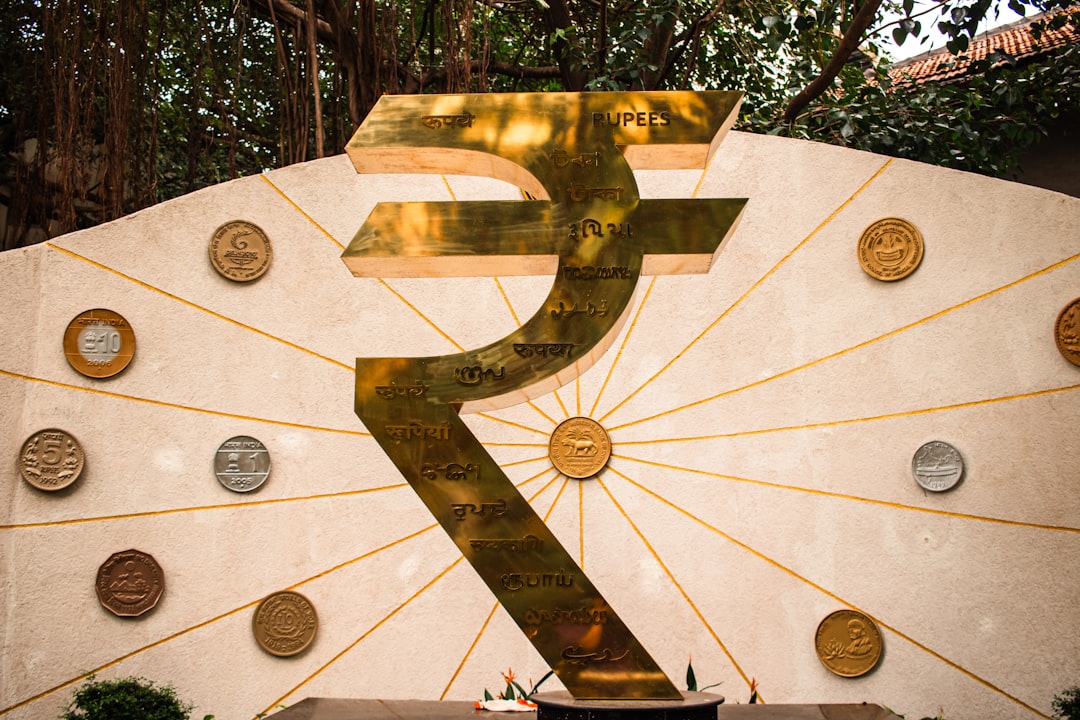
Career Ahead research identifies that these new incentives, if implemented effectively, could lead to a revitalisation of the SEZ model in India. Businesses operating in these zones would benefit from a more supportive environment, potentially increasing their competitiveness in both domestic and international markets. The potential for enhanced collaboration between government and industry stakeholders could also lead to innovative solutions that address the unique challenges faced by SEZs today.
You may also like
 Government & Policy
Governments are making a dangerous bet on the AI boom
The current landscape shows that countries like the United States, the United Kingdom, and Japan are betting heavily on AI to stimulate their economies. For…
Read More →The outcomes of the stakeholders meeting will also have implications for India’s international trade agreements. As the government seeks to reform the SEZ framework, it is essential to ensure that these changes align with India’s commitments under various trade agreements.
For instance, the harmonisation of export promotion schemes could enhance India’s compliance with World Trade Organization (WTO) guidelines, which emphasize the need for transparency and non-discrimination in trade practices. By aligning SEZ policies with international standards, India can bolster its reputation as a reliable trading partner, attracting more foreign investment.
Moreover, the introduction of new incentives could position India more favorably in negotiations for bilateral and multilateral trade agreements. Countries looking to engage in trade partnerships often assess the regulatory environment and incentives available to businesses. A robust SEZ framework with attractive incentives could serve as a strong selling point in these negotiations.
As the global trade landscape continues to evolve, the outcomes of the June 30 meeting will be critical in shaping India’s trade policies and positioning the country as a competitive player in international markets. The government’s proactive approach to SEZ reforms is likely to resonate positively with trading partners and investors alike.
With the stakeholders meeting just around the corner, the focus will be on how effectively the government can implement these proposed changes and whether they will succeed in revitalising India’s SEZ framework.
With the stakeholders meeting just around the corner, the focus will be on how effectively the government can implement these proposed changes and whether they will succeed in revitalising India’s SEZ framework. The discussions will set the stage for a new era in India’s trade policy, with significant implications for businesses operating in these zones.
Frequently Asked Questions
What new regulations might emerge from the SEZ stakeholders’ meeting?
The upcoming stakeholders meeting is expected to propose significant regulatory changes aimed at harmonising export promotion schemes and streamlining compliance processes for businesses operating in SEZs.
How will changes in SEZ policies affect my business operations?
You may also like
 Government & Policy
Hierarchical red tape slows government policy implementation
According to Career Ahead's analysis of federal staffing data, agencies that grant greater.
Read More →Changes in SEZ policies may lead to new incentives and a more favorable regulatory environment, potentially increasing operational efficiency and market access for businesses within these zones.

What should businesses in SEZs prepare for after the Commerce Ministry meeting?
Businesses in SEZs should prepare for potential regulatory changes and new incentives that could impact their operations and strategic planning, particularly regarding export activities and compliance requirements.