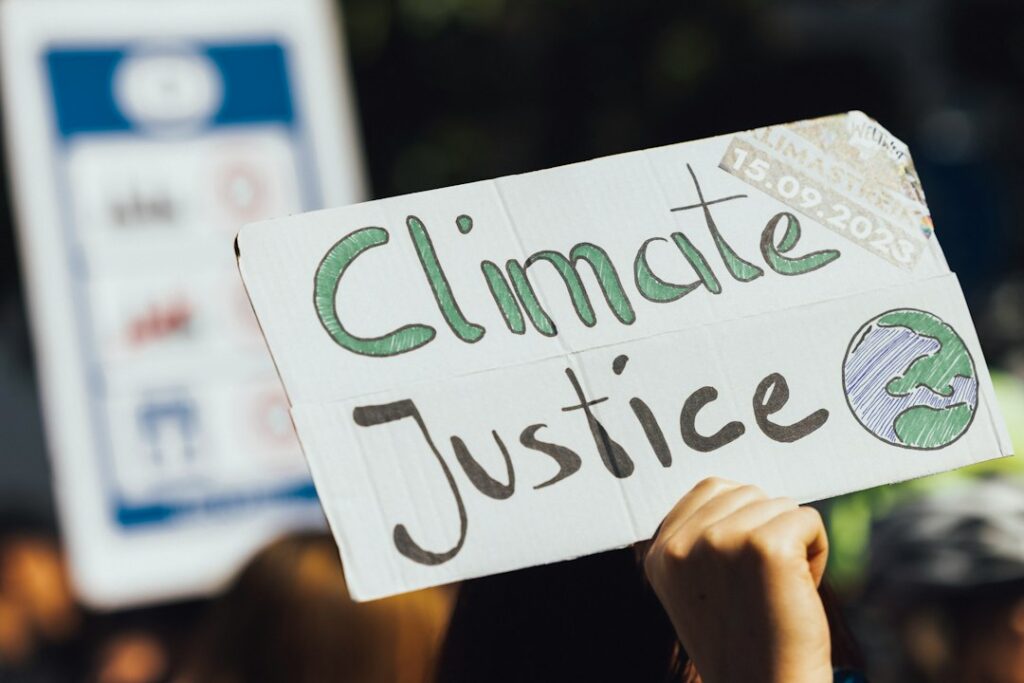
Simon Stiell, the UN climate chief, opened Cop31 in Turkey and warned that a global fossil fuel price crisis is spreading inflation.
Stiell links fossil fuel costs to household pressure
Stiell called the situation “fossil fuel cost chaos” and said it had delivered a global shock wave, hit households hard and spread inflation like a cancer. He also said global heating is already costing the Earth. Vulnerable communities are paying the price, he said, while frustration at a lack of fairness was palpable. His opening remarks tied the immediate pressure of energy costs to the wider costs of climate change and unequal exposure to its effects.¹
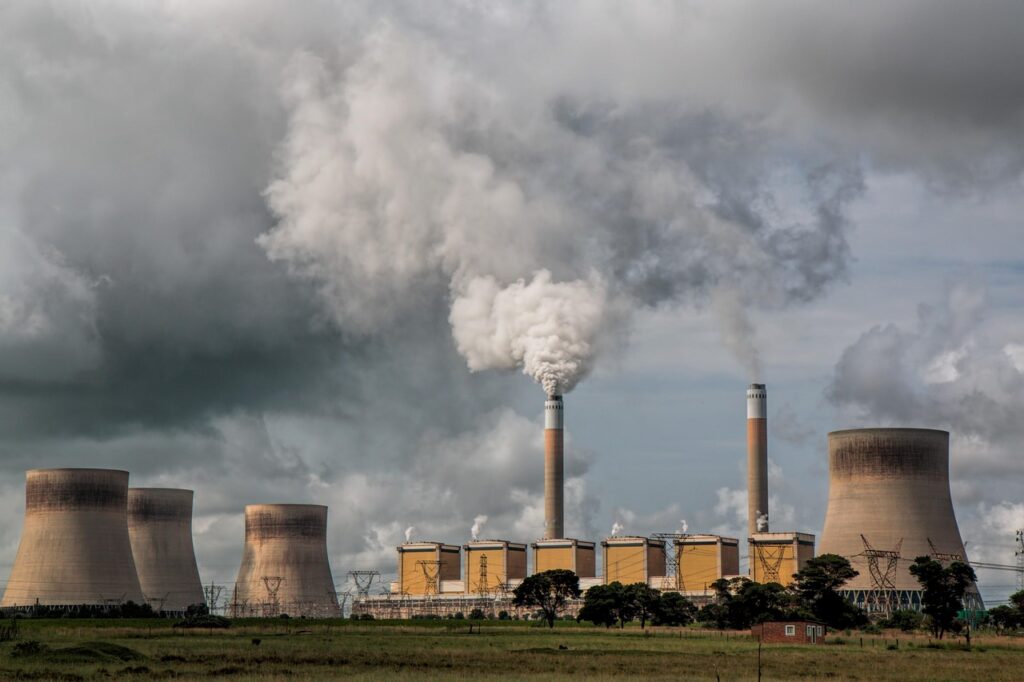
The price shock followed disruption to oil supplies through the Strait of Hormuz. The ledger attributes that disruption to US president Donald Trump’s war with Iran and says petrol prices rose by 50% around the world. Stiell’s warning connected the global fossil fuel price crisis with inflation reaching households, while the reported rise in petrol prices gives a concrete measure of the shock. The price increase was reported across the world, rather than as a change limited to one country.¹
Cop31 is hosted by Turkey and Australia, with Australia leading the negotiations.
Cop31 is hosted by Turkey and Australia, with Australia leading the negotiations. Turkey put attendance at one hundred thousand visitors, including national delegations, for the two-week talks. The estimate included at least ninety-five heads of state. A global leaders summit is scheduled for Wednesday and Thursday, placing national leaders’ discussions within the broader talks. These attendance figures describe the scale of the gathering where governments are negotiating over climate action and energy.¹
 Industry & Global Trends
BOE’s Mann Says Labor Market Isn’t Weak Enough to Tame Inflation
The UK labor market's resilience complicates inflation control efforts, as highlighted by Bank of England Chief Economist Huw Mann. Understanding these dynamics is crucial for…
Read More →Disasters and warming set the climate backdrop
A glacier collapse set off catastrophic flooding in Nepal and Tibet, wiping away villages and killing at least one thousand four hundred and fifty-nine people. The disaster brings the human cost of climate risks into the same discussion as energy prices and negotiations. Its effects crossed two countries, and the reported death toll gives a measure of the scale of the flooding. The collapse and flooding were reported as a single chain of events, from glacier failure to destroyed villages and loss of life.¹
The talks opened as a historic El Niño builds in the tropical Pacific. Climate scientists also confirmed this year that global heating would reach at least 1.8C. Those developments frame the negotiations against both a climate pattern under way and a warming level scientists have confirmed. The reported warming figure is a projection, while the El Niño is described as building as the summit begins. Together, they provide the immediate scientific context for the summit’s discussions.¹
Leaders were urged to cut emissions faster, accelerate a just transition from fossil fuels and deliver finance and protection for vulnerable countries. The appeal links emissions cuts with a transition away from fossil fuels, while also calling for resources and safeguards for countries facing climate risks. That combination puts the pace of emissions reductions alongside the support vulnerable countries need. The call came as Stiell described both household pressure from fuel costs and the unequal burden of climate impacts.¹
Negotiators push renewable energy and electrification
The high-ambition coalition said it has twenty country members pushing for major progress in Antalya. Countries had agreed at the 2023 climate summit to triple renewable energy capacity by 2030. The coalition’s push in Antalya comes against that existing commitment, giving negotiators a stated benchmark for progress on clean power. The earlier agreement set a capacity goal; the coalition’s current position is to press for major progress at these talks.¹
An electrification goal aims to raise electricity’s share of final energy consumption from one-fifth to one-third over the next ten years. A participant said many governments had a “great appetite” to join what was described as a historic electrification decision in Antalya. Another argument for endorsement of the 2035 electrification target was that it would send an “unmistakable signal to markets”. A speaker also described “enormous momentum” among countries for electrification. The proposals put a measurable change in energy use alongside the renewable-capacity commitment.¹
 Industry & Global Trends
UK Job Slump Longer Than During Financial Crisis, PMI Says
The manufacturing sector has seen a notable drop in job vacancies, with many companies scaling back their hiring efforts.
Read More →That combination puts the pace of emissions reductions alongside the support vulnerable countries need.
Energy Shocks Reshape Pay and Skills
A fifty percent jump in petrol prices from a supply disruption shows how exposed household budgets are to fossil fuel costs. When negotiating a raise or a new role, ask for a cost-of-living adjustment that accounts for energy-driven inflation, not just a standard annual increase. Roles tied to oil-intensive logistics or commuting face higher operating costs, so factor that into your salary expectations or remote-work demands.¹
The push to raise electricity's share of final energy consumption from one-fifth to one-third within ten years signals a clear shift in where jobs and investment land. Build skills in electrification, renewable capacity expansion, and grid-related work, as these areas gain policy backing and market momentum. A career in fossil fuel-dependent sectors carries rising risk as negotiators press for faster transitions and tripled renewable capacity by 2030.¹
Sources
Written by Career Ahead AI. AI can make mistakes, so verify key facts. Report errors to support@careeraheadonline.com