No products in the cart.

Stock markets decline in early trade amid rising crude oil prices

Benchmark equity indices in India saw a decline on August 12, 2026, as rising crude oil prices weighed heavily on market sentiment.

Benchmark equity indices in India declined on August 12, 2026. Rising crude oil prices heavily impacted market sentiment. The BSE Sensex fell by 35.99 points to 78,097.31. The NSE Nifty dropped by 31.15 points to 24,444.55. This downward trend continued as the BSE benchmark later slipped by 211.37 points, settling at 77,953.66. The Nifty fell to 24,411.15.
The increase in crude oil prices is a key factor in these market movements. Brent crude, the global oil benchmark, traded 1.24% higher at $90.01 per barrel. Analysts link this surge to ongoing geopolitical tensions, especially between the U.S. and Iran. These tensions have created uncertainty in global oil supply. A report by The Hindu states that fears of supply disruptions have worsened the rise in oil prices.
Impact of Crude Oil Prices on Energy Sector Stocks
The energy sector is sensitive to crude oil price changes. As oil prices rise, companies in this sector often see their stock prices react. Major players like Oil and Natural Gas Corporation (ONGC) and Reliance Industries have faced volatility as crude prices increase. Investors typically respond to these price changes, causing a ripple effect across the broader market.
Career Ahead’s analysis shows that energy sector stocks have a strong correlation with crude oil prices. For example, when oil prices surged in 2022 due to geopolitical tensions, energy stocks gained significantly. However, the recent rise in oil prices has made investors more cautious. Higher crude prices can signal economic slowdowns and increased inflation. This sentiment is echoed by Morningstar, which notes that rising oil prices often lead to higher operational costs for businesses. This can squeeze profit margins and impact overall market performance.
Career Ahead’s analysis shows that energy sector stocks have a strong correlation with crude oil prices.
Moreover, the current volatility in the energy sector affects investment strategies. Investors may need to reassess their portfolios, especially if they are heavily invested in energy stocks. Diversification could become crucial to mitigate risks from rising oil prices. Financial analysts suggest that sectors like renewable energy might attract more interest as traditional energy stocks face downward pressure. This shift towards renewables is not just a reaction to price changes but also a strategic move for sustainable growth opportunities.
Investors should also consider the broader economic implications of rising crude prices. Increased oil prices can lead to higher transportation and production costs. This may squeeze profit margins across various industries. Such a squeeze can result in lower earnings forecasts, further impacting stock prices and investor sentiment. The World Bank has indicated that sustained increases in oil prices can lead to economic slowdowns, especially in developing nations that rely heavily on oil imports. Countries like India, which are growing rapidly, may find their expansion plans hindered by rising energy costs.
Market Volatility and Investment Strategies
The current market environment shows heightened volatility. Investors are reacting to rising crude oil prices and broader economic indicators, including inflation rates and consumer spending patterns. The recent decline in U.S. markets, where the S&P 500 and Dow Jones both fell around 0.3%, reflects this cautious sentiment. This trend indicates that market declines often coincide with spikes in oil prices, as noted by various financial institutions.
Career Ahead research finds that the relationship between crude oil prices and stock market performance can lead to significant shifts in investor behavior.
Career Ahead research finds that the relationship between crude oil prices and stock market performance can lead to significant shifts in investor behavior. As oil prices rise, investors often move towards safer assets like bonds or gold to protect against potential stock market losses. This shift can worsen market declines, creating a cycle of negative sentiment. Analysts emphasize the importance of closely monitoring economic indicators, as these can provide insights into future market movements.
In light of this volatility, financial analysts recommend that investors keep a close eye on economic indicators and adjust their strategies. For example, focusing on sectors less sensitive to oil price changes, like technology or consumer staples, may provide a buffer against rising energy costs. Additionally, understanding historical patterns can help investors navigate current market conditions. Historical data shows that many market declines coincide with spikes in oil prices. This suggests that investors should prepare for potential downturns during similar periods. The relationship between crude oil prices and market performance highlights the need for proactive investment strategies in uncertain times.
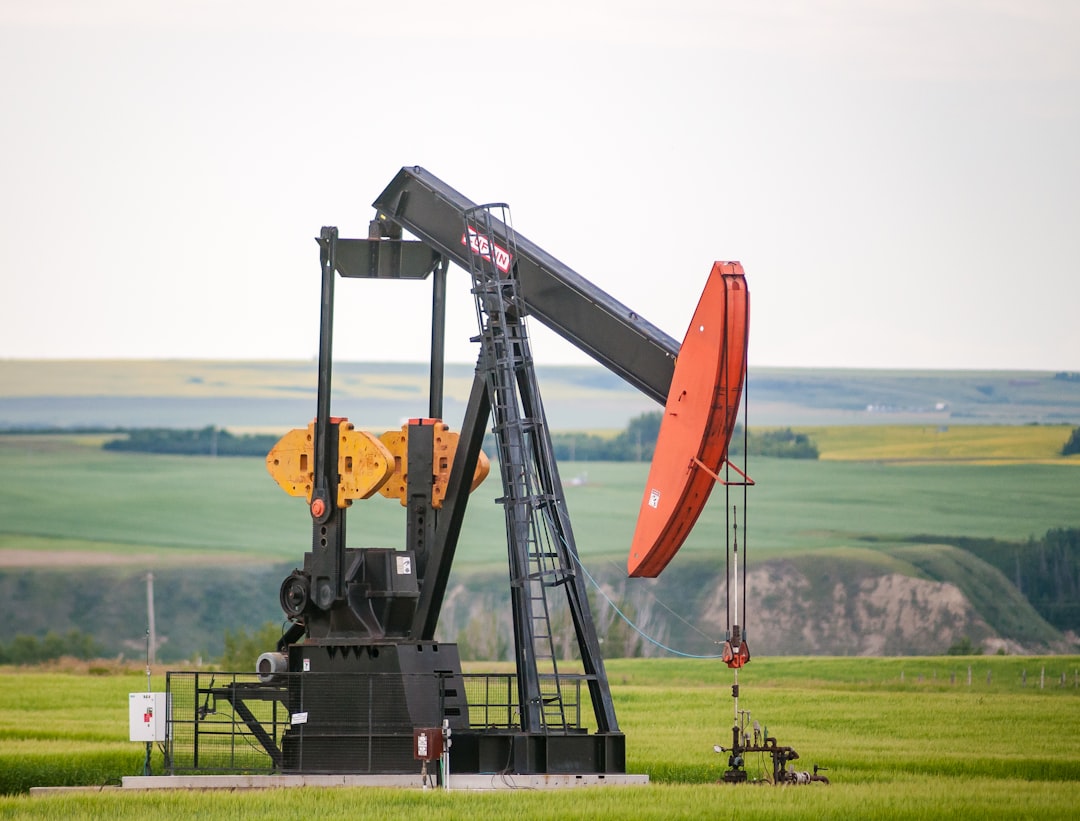
As the situation evolves, financial analysts will watch how rising oil prices interact with other economic indicators. The potential for increased inflation and its impact on consumer behavior will be crucial in shaping market strategies. The ongoing geopolitical landscape adds complexity, as tensions in the Middle East and fluctuations in global oil supply chains are likely to keep oil prices volatile. Investors must remain vigilant, as these factors can significantly impact market performance and economic stability.
Understanding these dynamics is essential for investors navigating the current market landscape. The interplay between crude oil prices and stock market performance will likely remain a focal point for financial analysts and investors. As crude oil prices continue to fluctuate, the question remains: how will these changes shape the stock market in the coming months? Investors will need to stay informed and agile as they adapt to the evolving economic landscape.
How should investors adjust their portfolios in response to oil price fluctuations?
Frequently Asked Questions
What sectors are most affected by rising crude oil prices?
The energy sector is most directly affected by rising crude oil prices. Companies in this sector often see their stock prices react strongly to fluctuations. However, sectors like transportation and manufacturing can also be impacted due to increased operational costs.
How should investors adjust their portfolios in response to oil price fluctuations?
Investors may consider diversifying their portfolios by including sectors less sensitive to oil prices, such as technology or consumer staples. Additionally, reallocating investments towards renewable energy could provide a hedge against traditional energy market volatility.

What historical patterns exist between oil prices and stock market declines?
Historically, spikes in crude oil prices have often coincided with market downturns. This correlation suggests that rising oil prices can lead to increased market volatility and investor caution, impacting overall stock performance.
Written by Career Ahead AI. AI can make mistakes, so verify key facts. Report errors to support@careeraheadonline.com.