No products in the cart.

Strengthening Teams Through Adversity

Explore the principles of creating anti-fragile teams that grow stronger under pressure, enhancing resilience and adaptability in the workplace.

New York, USA — In today’s fast-paced and unpredictable work environment, organizations are increasingly recognizing the importance of building anti-fragile teams. These are groups that not only withstand stress and challenges but actually grow stronger as a result. This concept, popularized by author Nassim Nicholas Taleb in his book “Antifragile: Things That Gain from Disorder,” emphasizes the value of resilience and adaptability in teams.
The need for such teams has never been more pressing. According to a 2023 report from McKinsey & Company, 70% of organizations are facing significant operational disruptions due to external forces, including economic downturns and technological shifts. As companies navigate these complexities, the ability to pivot and innovate becomes critical to survival and success.
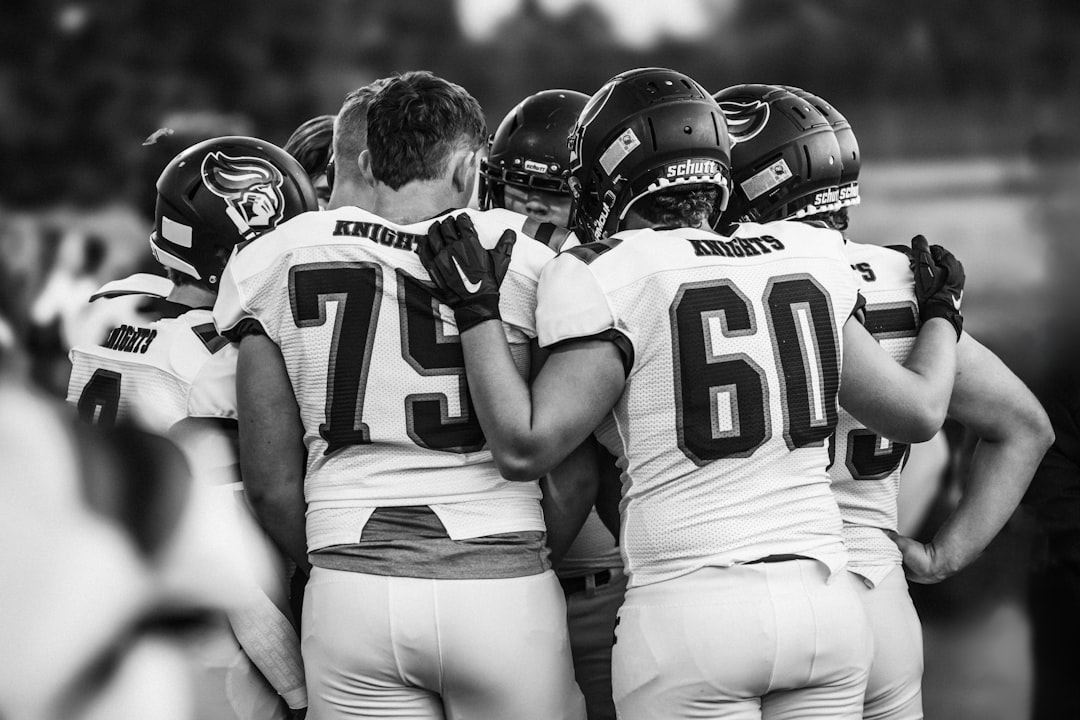
To build anti-fragile teams, organizations must embrace several key principles. Firstly, fostering a culture of psychological safety is paramount. When team members feel safe to express their ideas, take risks, and even fail, innovation flourishes. Google’s Project Aristotle revealed that psychological safety is one of the most significant factors in team effectiveness, leading to increased collaboration and better results.
 Mental Health
The Rise of Intentional Living Among Young Generations
Young generations are increasingly turning to slow living, prioritizing rest and nature over fast-paced lifestyles. Discover the implications.
Read More →Additionally, organizations should encourage decentralized decision-making. In environments where teams are empowered to make decisions, they can respond swiftly to challenges and capitalize on opportunities. This approach not only enhances agility but also boosts team morale, as members feel a greater sense of ownership over their work.
Teams should be encouraged to adopt a growth mindset, where challenges are viewed as opportunities for development.
Furthermore, continuous learning is essential. Teams should be encouraged to adopt a growth mindset, where challenges are viewed as opportunities for development. A study published in the Harvard Business Review found that organizations that prioritize learning outperform their competitors by 30% in terms of productivity and innovation.
Beyond these principles, it’s crucial to create a supportive environment that values diversity. A diverse team brings a variety of perspectives, enhancing problem-solving abilities and fostering creativity. Research from McKinsey shows that companies with diverse teams are 33% more likely to outperform their peers in profitability.
Contextually, the rise of remote work has further underscored the necessity for anti-fragile teams. With the shift to hybrid work models, teams must navigate new challenges such as communication barriers and varying work styles. Adopting anti-fragile principles can help organizations maintain cohesion and productivity in this evolving landscape.
 Business
UPS Cuts 30,000 Jobs Amid Shift Away from Amazon
UPS is set to cut 30,000 jobs as it moves away from Amazon deliveries, a major shift that will affect…
Read More →From a leadership perspective, fostering anti-fragile teams requires a shift in mindset. Leaders must be willing to embrace uncertainty and encourage their teams to experiment and iterate. This means not only providing the necessary resources but also modeling resilience themselves. Leaders who demonstrate vulnerability and adaptability inspire their teams to do the same.
Moreover, organizations should implement regular check-ins and feedback loops to assess team dynamics and address issues proactively. A 2022 Gallup survey found that teams that receive regular feedback have 14.9% higher productivity than those that do not. By maintaining open lines of communication, leaders can ensure their teams remain aligned and motivated.
With the shift to hybrid work models, teams must navigate new challenges such as communication barriers and varying work styles.
As we look to the future, the integration of technology will play a key role in further strengthening anti-fragile teams. Tools that facilitate collaboration, such as Slack and Zoom, can bridge gaps created by remote work. Additionally, leveraging data analytics can provide insights into team performance, allowing leaders to make informed decisions that enhance team dynamics.
 Career Development
The Power of Cross-Disciplinary Skills in the Modern Workplace
Blending multiple skill sets creates unique career advantages. Discover how cross-disciplinary skills can set you apart in today’s job market.
Read More →In the face of ongoing global challenges, the ability to build and sustain anti-fragile teams will be a defining factor for organizational success. Companies that prioritize resilience and adaptability will not only survive but thrive in an ever-changing landscape. The journey toward creating anti-fragile teams is not merely a strategic choice; it is an imperative for future growth.