Portland, USA — Young generations are redefining success. No longer tethered to the relentless grind of modern life, they are embracing a philosophy of slow living. This movement emphasizes rest, nature, and intentional simplicity, offering a counter-narrative to the high-speed lifestyle that has dominated the past few decades.
Why does this matter? The rise of slow living reflects broader societal shifts. As mental health concerns escalate and the impacts of climate change become more visible, younger people are seeking balance. They are prioritizing well-being over productivity, redefining their relationship with work and consumption.
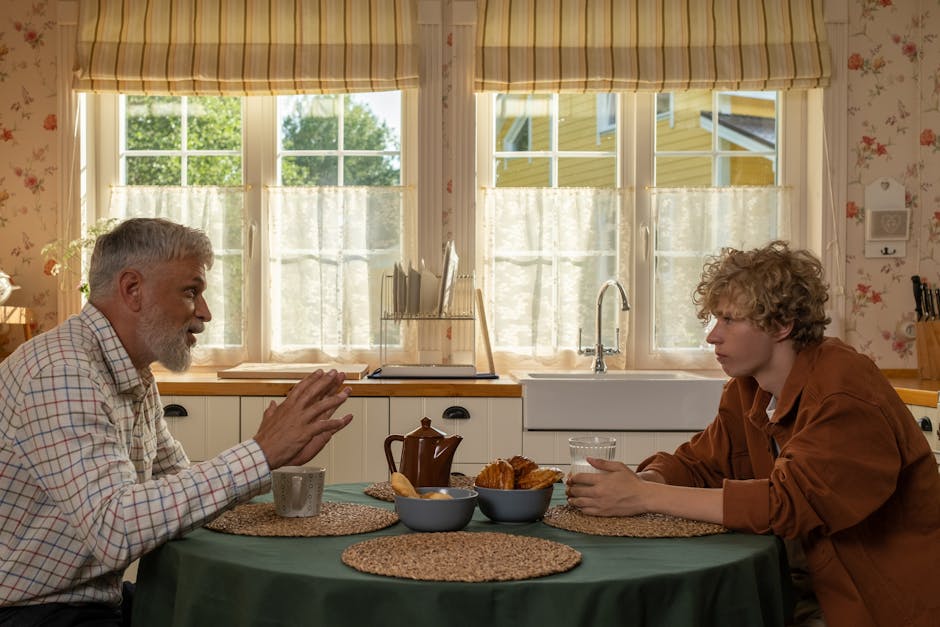
The concept of slow living is not entirely new. It draws inspiration from the Slow Food movement of the 1980s, which advocated for traditional culinary practices and local ingredients. Today, this ethos extends beyond gastronomy, encompassing lifestyle choices that promote mindfulness and sustainability. According to a 2023 survey by the Pew Research Center, 60% of millennials and Gen Z respondents reported that they value experiences over material possessions, a sentiment that underscores the shift towards intentional living.
In cities like Portland, Oregon, and Asheville, North Carolina, slow living is manifesting in various ways. Local communities are fostering environments that prioritize green spaces, farmer’s markets, and wellness initiatives. In Portland, for instance, initiatives like the “Slow Streets” program have transformed city blocks into pedestrian-friendly areas, encouraging people to engage with their surroundings and each other.
The concept of slow living is not entirely new.
Research indicates that this shift towards intentional living is not just a trend but a necessary response to the pressures of modern life. The American Psychological Association reported a 25% increase in anxiety and depression among young adults over the past decade. In light of these statistics, the appeal of slow living becomes clearer. It offers a path to mental well-being through connection to nature and community.
However, this movement is not without its critics. Some argue that the slow living trend can be a privilege, accessible primarily to those with financial stability. Critics point out that for many, the demands of modern life—student debt, housing costs, and job instability—leave little room for the luxury of slowing down. This perspective highlights the disparities in access to mental health resources and the ability to choose a slower lifestyle.
Yet, proponents of slow living argue that the principles can be adapted to various socioeconomic realities. For instance, community gardens and cooperative living arrangements can provide access to nature and shared resources, making slow living more inclusive. Moreover, businesses are beginning to recognize this trend. Companies like Patagonia and Ben & Jerry’s promote sustainable practices, aligning their brand with the values of younger consumers who prioritize environmental responsibility.
This cultural shift is reflected in the workplace as well. Employers are increasingly offering flexible schedules and mental health days, recognizing that a well-rested employee is more productive. A recent study from Gallup found that employees who take regular breaks report a 34% increase in productivity. As businesses adapt to these changes, the future of work may become more aligned with the principles of slow living.
Looking ahead, the implications of this trend are profound. As young people continue to embrace intentional living, businesses and governments will need to adapt. Urban planning will likely prioritize green spaces and community engagement, while companies may need to rethink productivity metrics that emphasize constant availability. This evolution could lead to a more sustainable and balanced society.
As businesses adapt to these changes, the future of work may become more aligned with the principles of slow living.
Ultimately, the rise of slow living among young generations signals a pivotal shift in societal values. As they seek deeper connections with nature and community, the call for a more intentional lifestyle may reshape our cultural landscape. The question remains: how will we respond to this call for change? As individuals and as a society, the choice to embrace simplicity and rest could redefine our understanding of success for generations to come.
Written by Career Ahead AI. AI can make mistakes, so verify key facts. Report errors to support@careeraheadonline.com.