No products in the cart.

Students Demand Lasting Solutions After NEET Re-exam
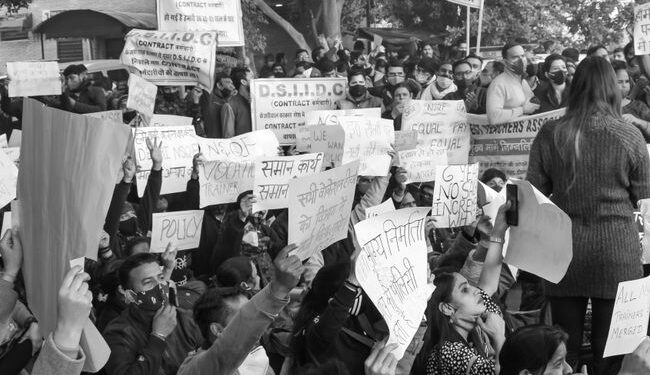
The NEET re-examination scheduled for June 21 has ignited protests among students demanding long-term solutions to systemic issues, including paper leaks and mental health impacts.

India — The NEET-UG re-examination is scheduled for June 21, 2026, following allegations of problems in the May 3 exam. This decision has sparked significant protests among students in Kota, Rajasthan, who voiced their concerns at Rahul Gandhi‘s ‘Chhatron Ki Goonj’ rally. Students argue that re-examinations are not a lasting solution to ongoing issues with the NEET examination process, particularly the troubling pattern of paper leaks.
At the rally, students expressed frustration over repeated breaches of exam integrity. One student from Allen coaching institute stated, “The NEET-UG re-examination is not an efficient method and neither a permanent solution.” This sentiment reflects a broader demand for reforms to ensure the integrity and reliability of medical entrance exams.
Consequences of Paper Leaks on Aspirants
The NEET examination process has faced multiple allegations of paper leaks, which have serious effects on the mental health of aspirants. According to a student at the rally, these issues create distrust and anxiety. “Repeated paper leaks affect students’ mental health. They become stressed and demotivated,” she remarked. Such stress can significantly impact students’ performance and well-being.
Research indicates that high-stakes exams like NEET can exacerbate existing mental health issues. The pressure to perform well, combined with uncertainty from leaks, raises anxiety levels among students. This is concerning, as many dedicate significant time and resources to prepare, only to face unfair practices that undermine their efforts.
The emotional toll of these incidents extends beyond individual students, affecting families and communities that support them. Addressing these issues comprehensively is essential to mitigate the cycle of stress and anxiety that impacts the entire educational ecosystem.
Addressing these issues comprehensively is essential to mitigate the cycle of stress and anxiety that impacts the entire educational ecosystem.
As students advocate for change, the need for mental health resources and support systems is urgent. Institutions like Allen coaching are now urged to provide better mental health support for students during this challenging time, as the stakes are not just academic; they are deeply personal.
You may also like
 Education & University Insights
Duke Law School Faces Federal Scrutiny Over Admissions Policies | Career Outlook
The Justice Department's recent accusations against Duke Law School regarding racial discrimination in admissions policies may lead to significant changes in how law schools approach…
Read More →
Calls for Comprehensive Reforms
The rally in Kota represents a broader call for systemic reforms in the Indian education system. Students demand measures that extend beyond temporary fixes like re-examinations, seeking long-term solutions to ensure exam integrity, including improved security during exams and stricter penalties for those leaking papers.
Protesters highlight that the current system is flawed and requires major changes. One protester noted, “The government has not tackled such incidents, and paper leaks happen almost every year.” This underscores a critical gap in accountability and transparency in the exam process, which students believe must be addressed to restore faith in the system.
Additionally, calls for reform include changes to the exam format. Many students argue that relying on a single high-stakes exam for medical admissions is problematic. They suggest exploring alternative assessment methods to reduce pressure and provide a more holistic view of candidates’ abilities, potentially involving a mix of continuous assessment and practical evaluations.

The implications of these protests could lead to significant changes in education policy, potentially creating a more equitable and transparent examination process for future generations of medical aspirants.
The push for reform is gaining momentum, with student organizations becoming increasingly vocal about their demands. The involvement of political figures like Rahul Gandhi in these protests highlights the national importance of this issue. The conversation around NEET and medical admissions is far from over.
The implications of these protests could lead to significant changes in education policy, potentially creating a more equitable and transparent examination process for future generations of medical aspirants.
Future Implications for NEET Aspirants
You may also like
 Education & University Insights
Universities reshape curricula for neurodiverse learners
This creates a feedback loop: institutions that lead in adaptive pedagogy attract research funding.
Read More →The upcoming NEET re-examination on June 21 is a critical moment for students and the educational system. As the rally demonstrated, students are not just passive participants; they are active advocates for their rights and well-being. The outcome of this re-exam and the reactions that follow will likely shape the future of medical admissions in India.
As the education system faces these challenges, the focus must shift from reactive measures to proactive solutions. This includes fostering a culture of transparency and integrity in the examination process, which is essential for restoring faith among students and parents.

In the coming months, it will be vital to observe how the government and educational institutions respond to these protests and ongoing student concerns. The potential for systemic change in the NEET examination process could redefine medical education in India.
Ultimately, the question remains: will the voices of these students lead to meaningful reforms, or will temporary fixes continue? The answer will have significant implications for aspiring medical professionals in India.
The answer will have significant implications for aspiring medical professionals in India.
Addressing Common Concerns
What should NEET UG aspirants do if they are affected by paper leaks?
Aspirants affected by paper leaks should seek support from mental health resources at their coaching institutes. Addressing mental health is crucial for maintaining focus and motivation during exam preparation.
You may also like
 Education & University Insights
HTET Results Out, Candidates Strategize Next Steps
The Haryana Teacher Eligibility Test (HTET) 2026 results have been declared, marking a significant milestone for aspiring teachers. Candidates can now access their results and…
Read More →How can medical students prepare for potential changes in the NEET exam format?
Medical students should stay informed about any announcements regarding changes to the NEET exam format. Engaging with coaching institutes and peer groups can provide insights and strategies to adapt to potential modifications in the assessment process.
What long-term solutions are being proposed for NEET exam integrity?
Students are advocating for systemic reforms that include better security measures, stricter penalties for breaches, and exploring alternative assessment methods. These proposals aim to enhance the integrity of the NEET examination process and restore trust among aspirants.