No products in the cart.

Suchi Semicon Launches Surat Plant, Boosts Semiconductor Sector
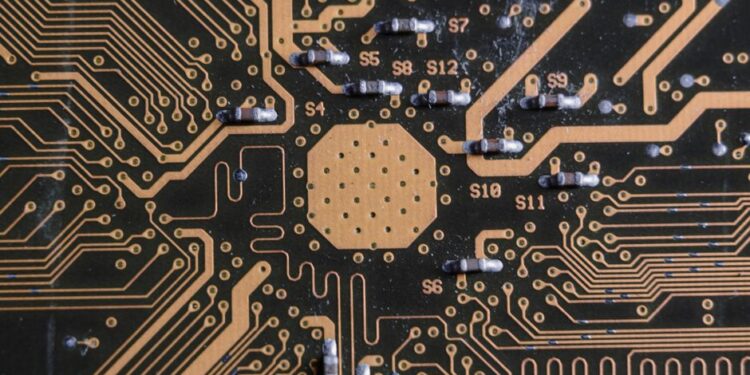
Suchi Semicon's new semiconductor plant in Surat represents a pivotal advancement in India's goal to become a global semiconductor hub, generating jobs and invigorating local economies.

India — Prime Minister Narendra Modi inaugurated the commercial production at Suchi Semicon’s Semiconductor Assembly and Testing (OSAT) plant in Surat on September 17, 2026. This ₹868-crore facility is set to produce over 1,033 million semiconductor chips annually, catering to various sectors including automotive, industrial automation, and consumer electronics. The launch signifies a crucial transition for India’s semiconductor industry, moving from policy formulation to actual production.
Suchi Semicon’s plant is integral to a broader strategy aimed at enhancing India’s position in the global semiconductor market. The facility is expected to create numerous jobs for semiconductor engineers, manufacturing technicians, and supply chain managers. This development is essential as India seeks to reduce its reliance on imported chips and bolster local manufacturing capabilities.
Job Creation and Workforce Development
The opening of Suchi Semicon’s Surat plant is anticipated to generate a wealth of job opportunities in semiconductor manufacturing. Industry analysts predict rapid growth in the semiconductor sector, driven by increasing demand for electronic devices and advanced technologies. The plant’s capacity will not only provide immediate employment but also foster long-term career growth for skilled professionals in the region.
Engineers specializing in semiconductor design and manufacturing will find a plethora of opportunities as Suchi Semicon ramps up production. The facility will require a diverse skill set, ranging from chip design to assembly and testing. As the demand for skilled workers escalates, educational institutions may need to revise their curricula to ensure that graduates possess the necessary skills for the industry.
Manufacturing technicians will play a critical role in the success of the Surat plant. Their responsibilities will encompass overseeing production processes, ensuring quality control, and maintaining equipment. This highlights the importance of technical training and hands-on experience in the semiconductor field.
As the demand for skilled workers escalates, educational institutions may need to revise their curricula to ensure that graduates possess the necessary skills for the industry.
Moreover, supply chain managers will be essential in coordinating logistics and materials for Suchi Semicon. The plant will necessitate effective management of resources, from raw materials to finished products. As the semiconductor supply chain evolves, managers must implement innovative solutions to streamline operations and enhance productivity.
Economic Boost for Surat and Beyond
Suchi Semicon’s plant in Surat is poised to have a substantial impact on the local economy. This facility is part of India’s broader semiconductor initiative, which aims to attract investments and bolster local manufacturing capabilities. The initiative aligns with the government’s objective of establishing India as a global semiconductor hub.
With the plant operational, Surat is likely to experience an influx of investment and business opportunities. Local suppliers and service providers stand to benefit from increased demand for materials, components, and logistics support. This interconnectedness is expected to stimulate the local economy and contribute to the overall growth of India’s semiconductor ecosystem.
Furthermore, the Surat plant will create a pressing need for a skilled workforce, prompting local educational institutions to collaborate with Suchi Semicon. Such partnerships can lead to specialized training programs, equipping the workforce to meet the challenges of the semiconductor industry.
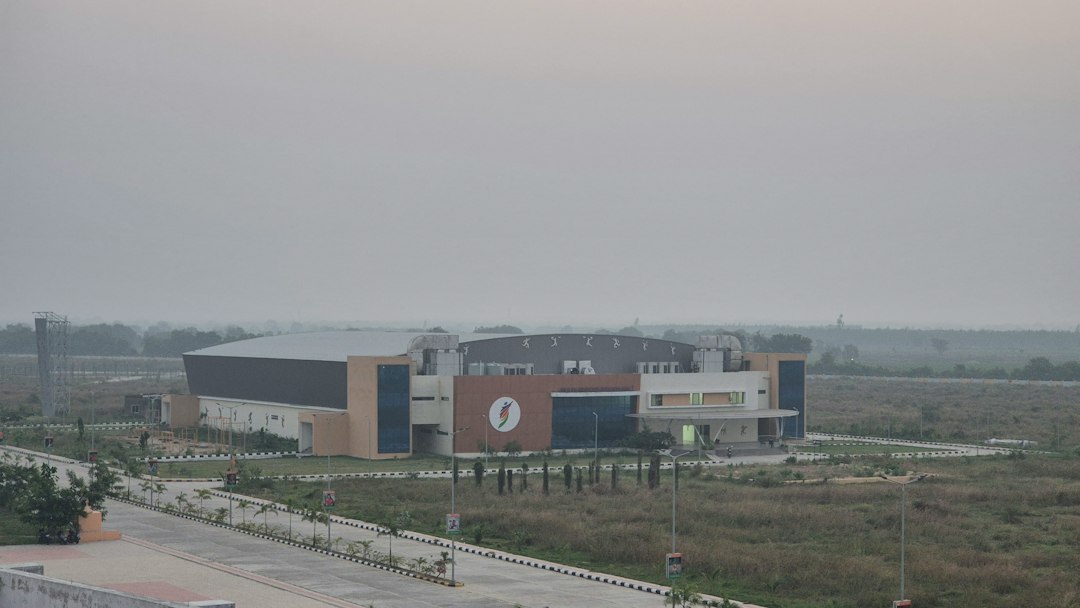
Furthermore, the Surat plant will create a pressing need for a skilled workforce, prompting local educational institutions to collaborate with Suchi Semicon.
Additionally, the plant’s commitment to advanced technologies and quality standards will set a benchmark for other semiconductor companies in the region. Suchi Semicon’s collaborations with global partners will facilitate knowledge transfer and innovation, benefiting the entire industry.
Future Prospects for India’s Semiconductor Landscape
The launch of Suchi Semicon’s Surat plant marks a significant milestone in India’s semiconductor ambitions. As the country strives to become a leader in chip manufacturing, the implications for job seekers, engineers, and technicians are profound. The demand for skilled professionals is expected to surge, creating a competitive job market in the semiconductor sector.
Looking forward, the success of Suchi Semicon could inspire other companies to establish similar facilities in India, further strengthening the nation’s role in the global semiconductor supply chain. As this trend unfolds, stakeholders in the semiconductor industry must remain adaptable and responsive to the evolving landscape to maintain competitiveness in a rapidly changing market.

Frequently Asked Questions
What skills are essential for semiconductor engineers at Suchi Semicon?
Engineers at Suchi Semicon will require expertise in semiconductor design, chip fabrication, and testing processes. Familiarity with advanced manufacturing technologies and quality assurance practices will also be vital for success.
This demand is likely to spur the development of more technical training programs to prepare the workforce.
How will the Surat plant influence job availability for manufacturing technicians?
The Surat plant is projected to create numerous job opportunities for manufacturing technicians, focusing on assembly, testing, and quality control. This demand is likely to spur the development of more technical training programs to prepare the workforce.
What considerations should supply chain managers keep in mind with the opening of Suchi Semicon’s plant?
Supply chain managers will need to optimize logistics and materials management for the Surat plant. Building strong relationships with local suppliers and ensuring efficient coordination of resources will be crucial to meet production demands.
Related Articles
- Distraction-free writing gadget BYOK is adding custom extensions
Written by Career Ahead AI. AI can make mistakes, so verify key facts. Report errors to support@careeraheadonline.com.